Every project eventually becomes known for something. At the EMBRACE Nigeria Partners Meeting in Abuja from 22 to 25 September 2026, partners decided to settle that question early rather than leave it to chance.
Bloomberg Philanthropies, which funds EMBRACE, convened the meeting. It brought together the consortium implementing the project, TAConnect and ACEPHAP, and the CDC Foundation. Its central aim was not a work plan but a shared identity: one understanding, held by partners, government and donor alike, of what EMBRACE (Enhancing Maternal and Baby Resilience through Access, Care and Equity) should stand for by the end of implementation in Gombe State.
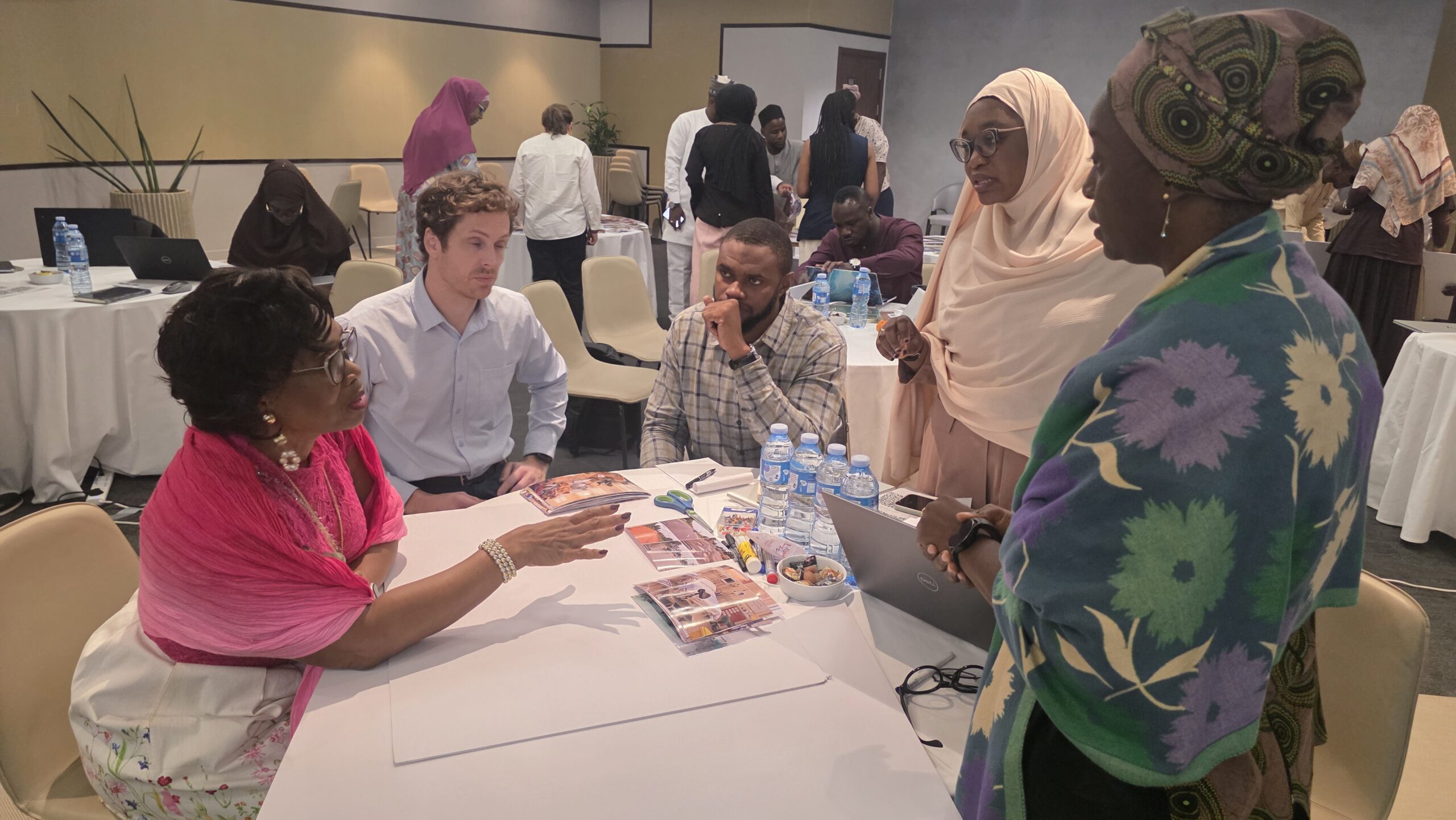
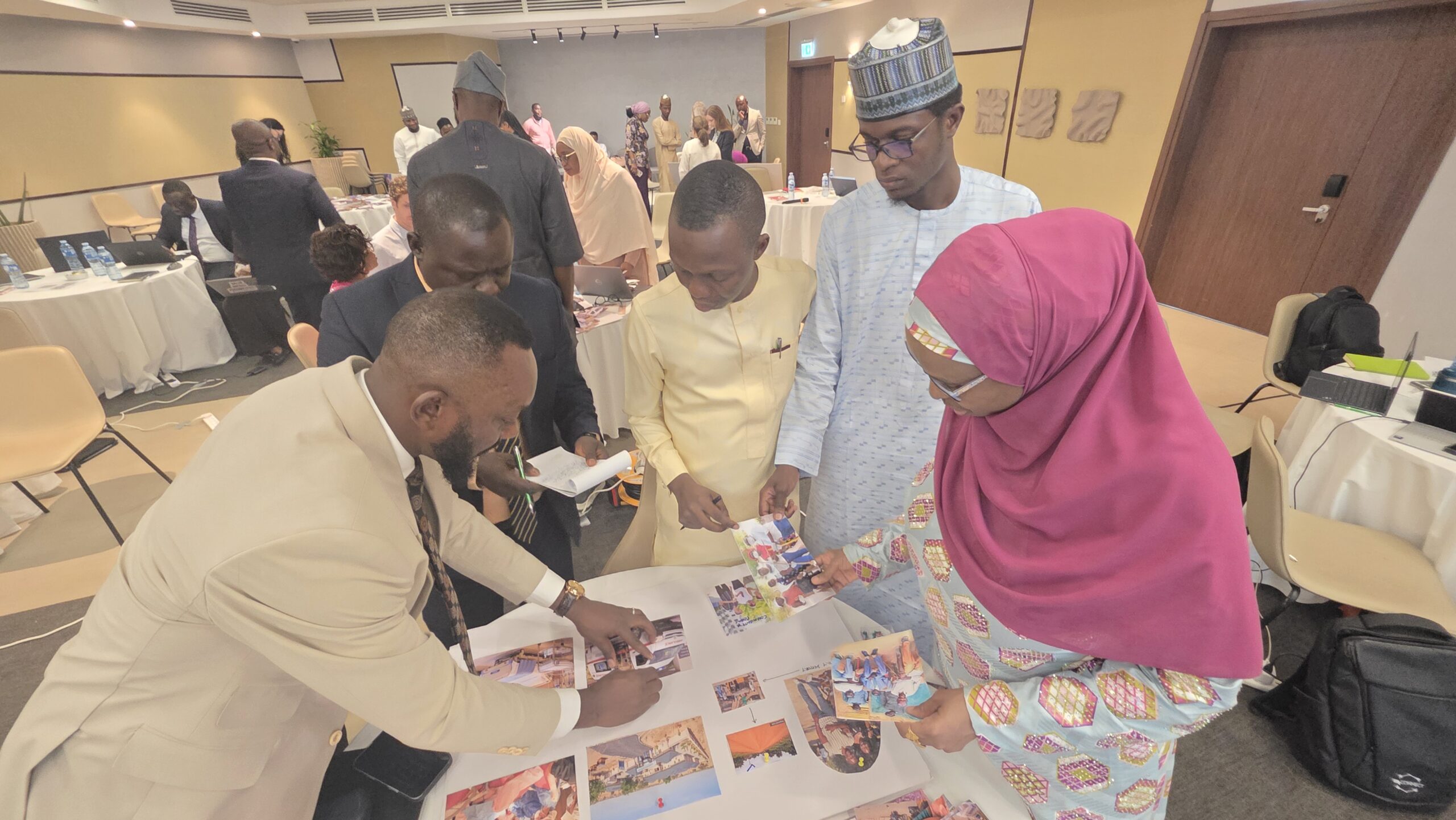
The answer began with a woman, not a logframe. Tables filled with markers, magazine cutouts and sticky notes as partners mapped one pregnant woman’s journey to care she could trust: where she turns when labour begins, what could delay her, and what would make her trust the facility she reaches. Her journey became the standard against which everything else was measured.
That standard changed how people read the evidence. The Gombe formative assessment, a qualitative study drawing on the voices of women, providers and community members, and a facility readiness assessment of infrastructure, equipment and staffing, was treated as more than a list of gaps. They were read as a measure of the distance between the woman partners had imagined and the care she would actually find today. Samantha Lobis of Bloomberg Philanthropies led a discussion on the revised Emergency Obstetric and Newborn Care (EmONC) framework, which sharpened the point. Quality is not only what a facility is equipped to do but what a woman experiences there. Care that is late, unreachable or disrespectful fails her, however well stocked the facility is.
An identity also needs boundaries, and partners were clear about theirs. As plans took shape across the health workforce, emergency referral, infrastructure, commodities, quality improvement, and continuum of care, each priority was assigned to whoever is best placed to act. Partners separated what EMBRACE will deliver from where its role is to support the government’s lead. The same principle took partners to the Department of Family Health at the Federal Ministry of Health and Social Welfare, alongside colleagues from Gombe State, to anchor EMBRACE within national reproductive and child health priorities rather than beside them.
Dr Ochiawunma Akwiwu-Ibe, Chief Operating Officer of TAConnect, and Professor Hadiza Galadanci, Director of ACEPHAP, hosted the partners.
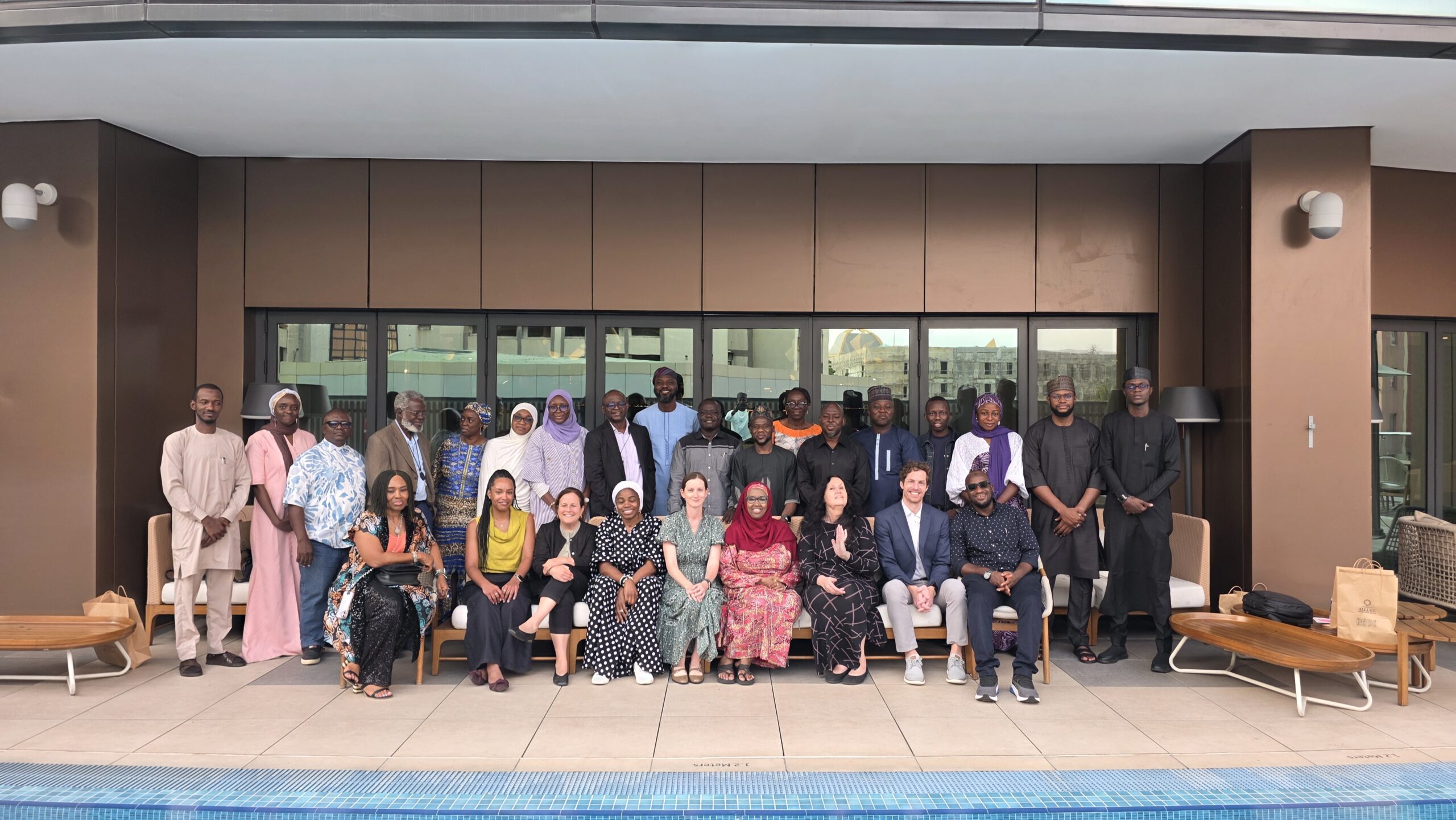
The identity partners set out to define will ultimately be tested in Gombe’s three hub facilities and fifteen primary health care spokes, in whether a woman in labour arrives to care that is timely, skilled and respectful. TAConnect thanks Bloomberg Philanthropies, the CDC Foundation, ACEPHAP, the Federal Ministry of Health and Social Welfare, and the Gombe State Government for their partnership.