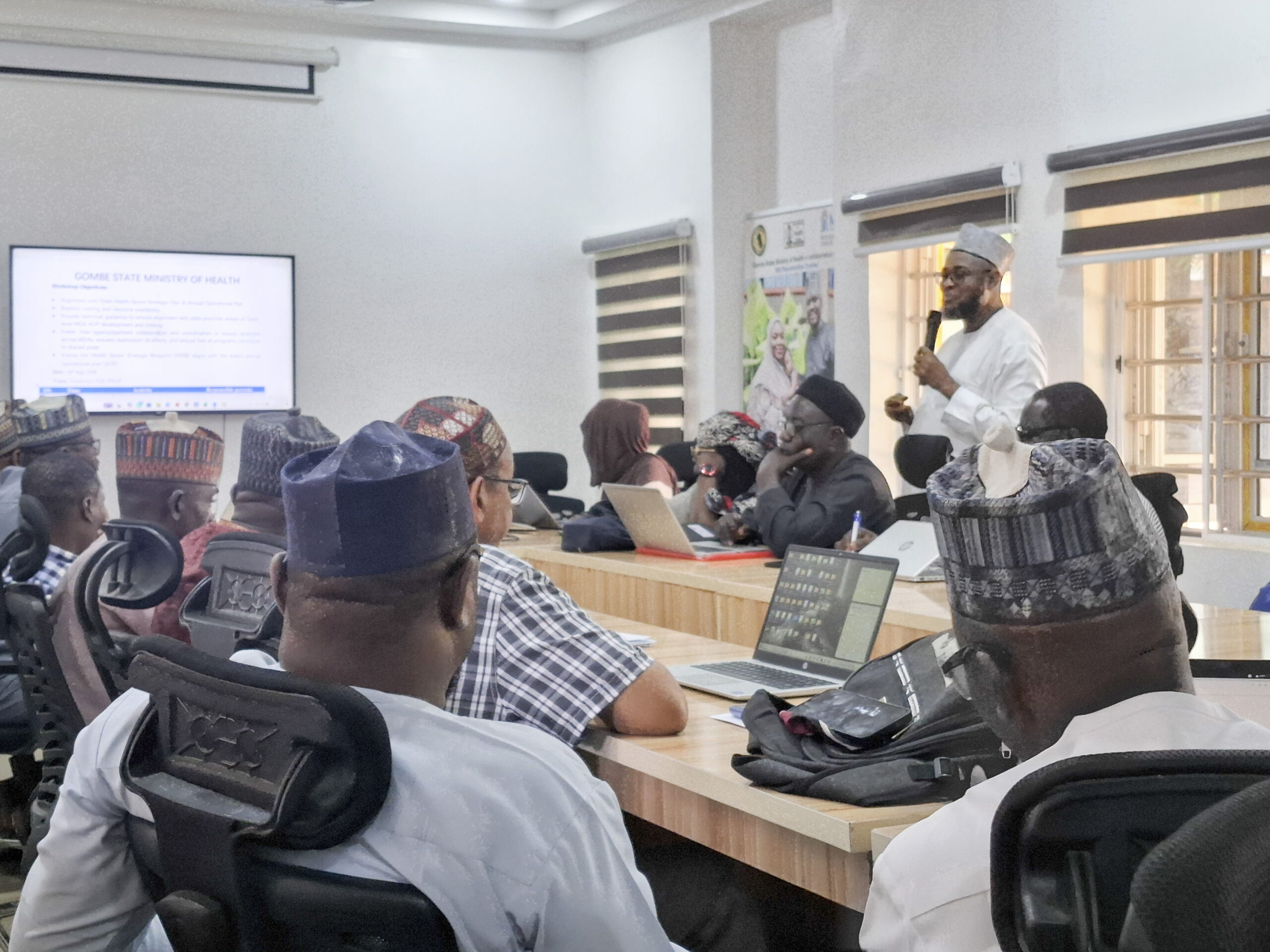
TAConnect supports the development of the state’s 2027 Annual Operational Plan
A health plan is where a state’s promises become services. In Gombe, the 2027 Annual Operational Plan (AOP) was built from the facility level up, with government in the lead, so that the state’s priorities can turn into real activities, costs, and results across the health system.
TAConnect continues to work with the Gombe State Government to strengthen institutional capacity, improve planning processes, and support government-led approaches that promote ownership and sustainability. In partnership with the African Centre for Population Health and Policy (ACEPHAP), TAConnect’s Gombe State Team recently supported the development of the 2027 AOP, which translates strategic priorities into realistic and measurable activities at every level of the health system. Along the way, stakeholders deliberated on the 2026 AOP targets, implementation challenges, priority gaps, and available resources, and defined operational activities for 2027.
The process began with the Joint Annual Review (JAR) meeting, where stakeholders reflected on achievements, implementation gaps, lessons learned, and emerging priorities from the 2026 AOP.
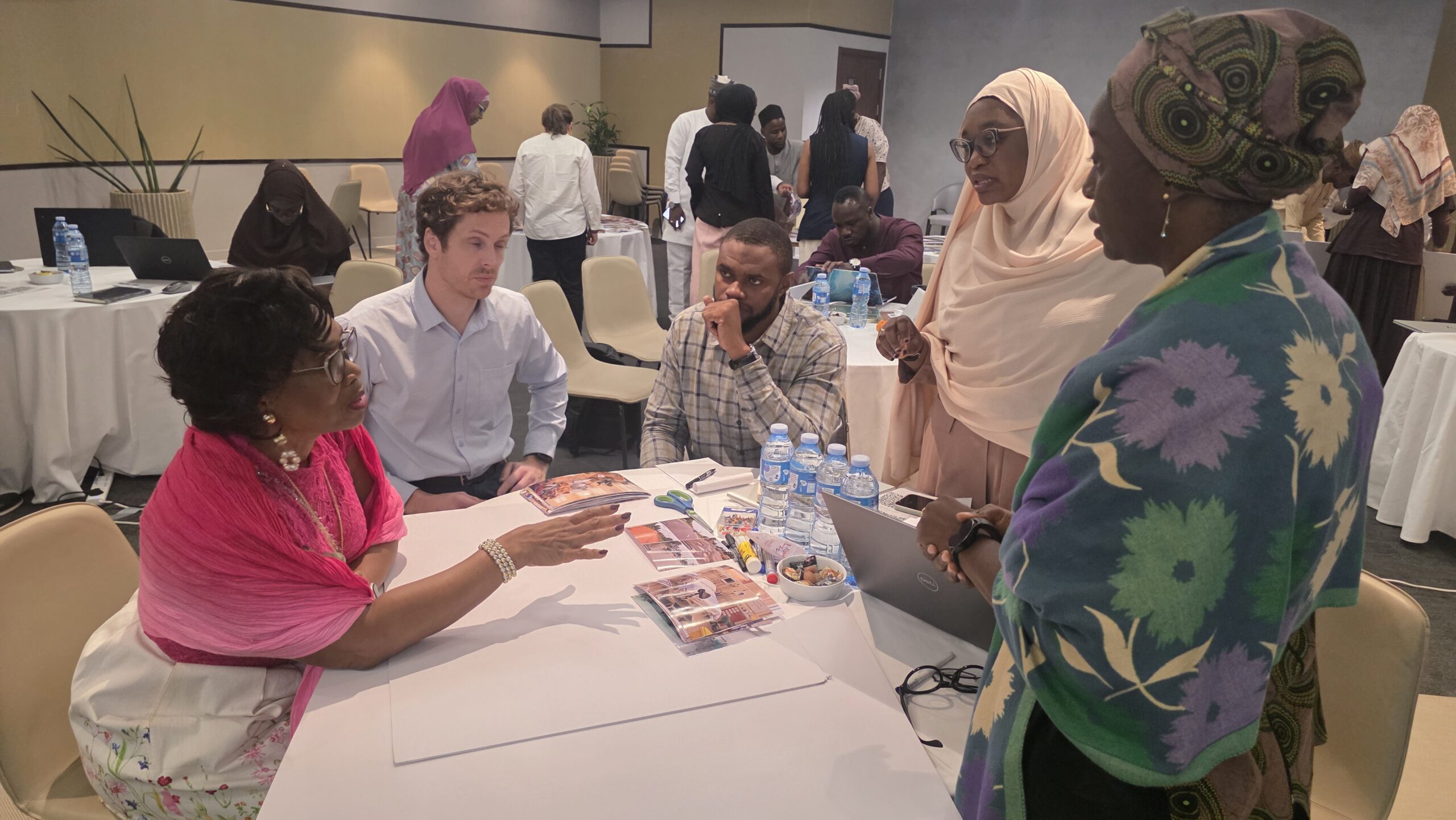
Planning then moved closer to communities. To build planning capacity at LGA and health-facility levels, and to make sure plans respond to community realities and priorities, AOP development sessions were held in all 11 LGAs of Gombe State. TAConnect provided technical support in Balanga, Dukku, and Yamaltu-Deba, where it partners with ACEPHAP to implement the EMBRACE Project. The sessions were hands-on. Facility representatives reviewed previous plans, identified service-delivery gaps, developed responses, defined priorities, estimated costs, and considered potential funding sources. By the end of this phase, participating health facilities across the 11 LGAs had drafted 2027 operational plans aligned with LGA and State priorities.
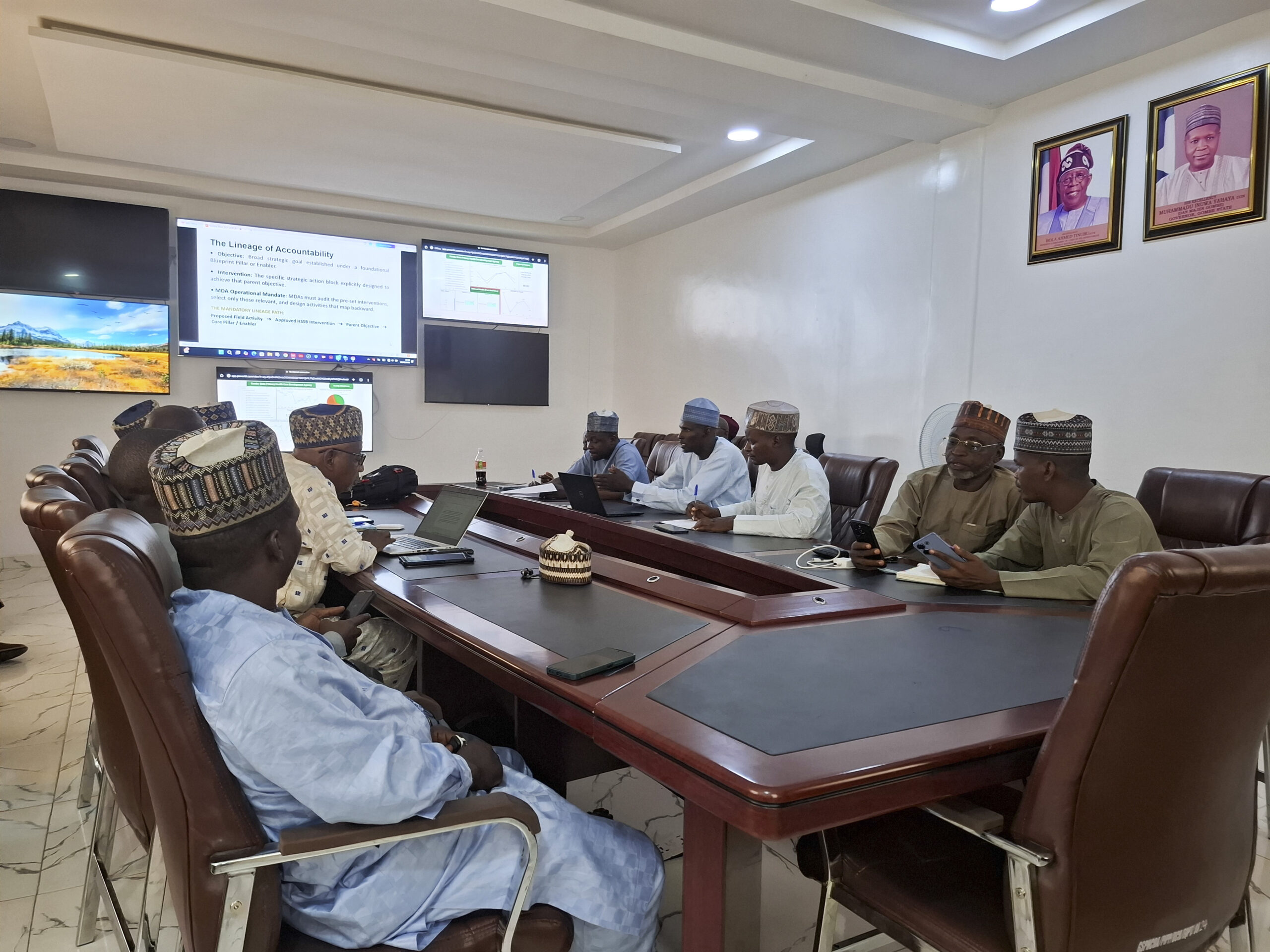
State-level development followed, led by the State Ministry of Health and co-led by the Hospital Services Management Board and the Primary Healthcare Development Agency. Partners, including TAConnect, placed their activities within the State’s AOP, ensuring alignment and state ownership.
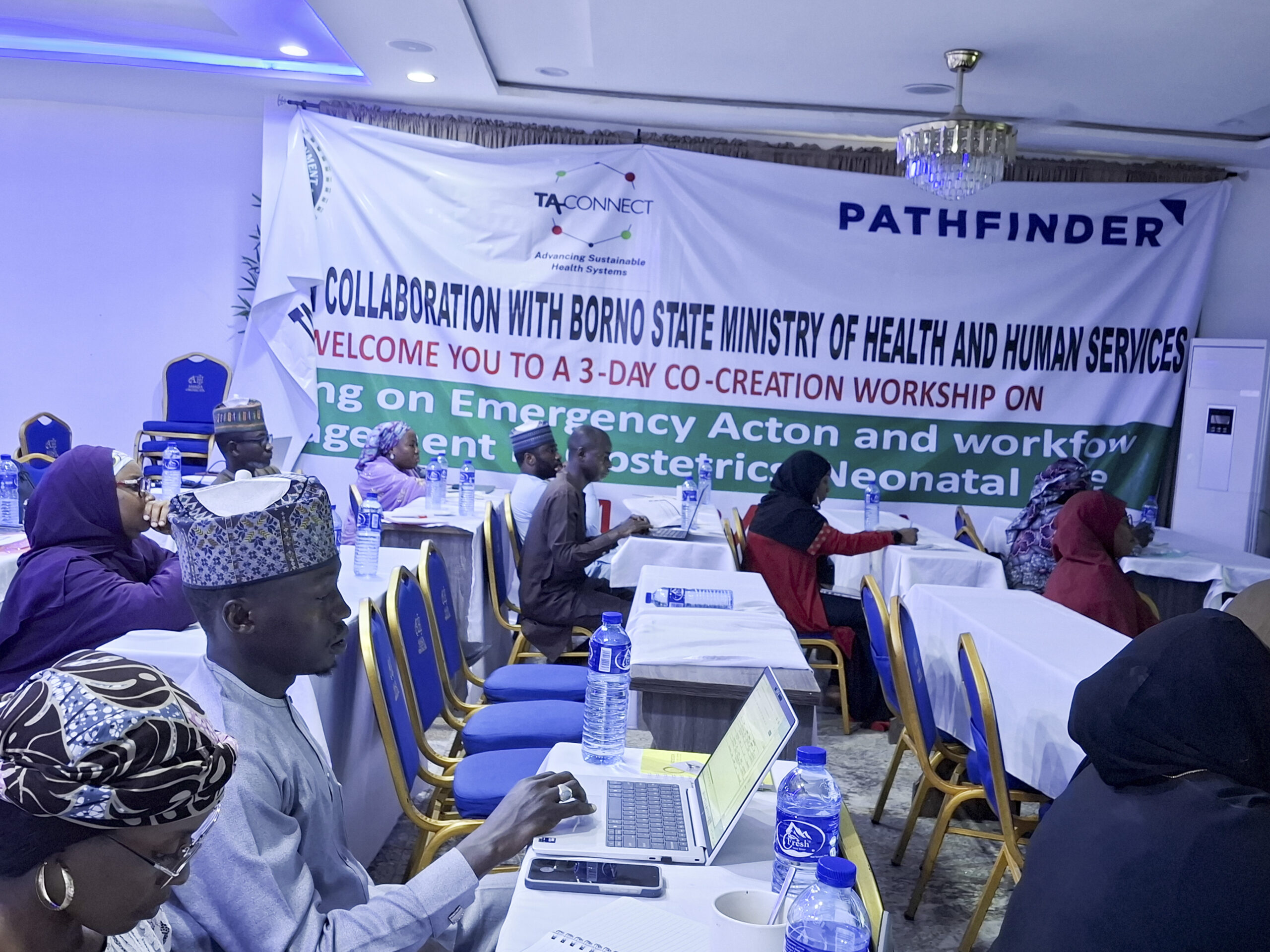
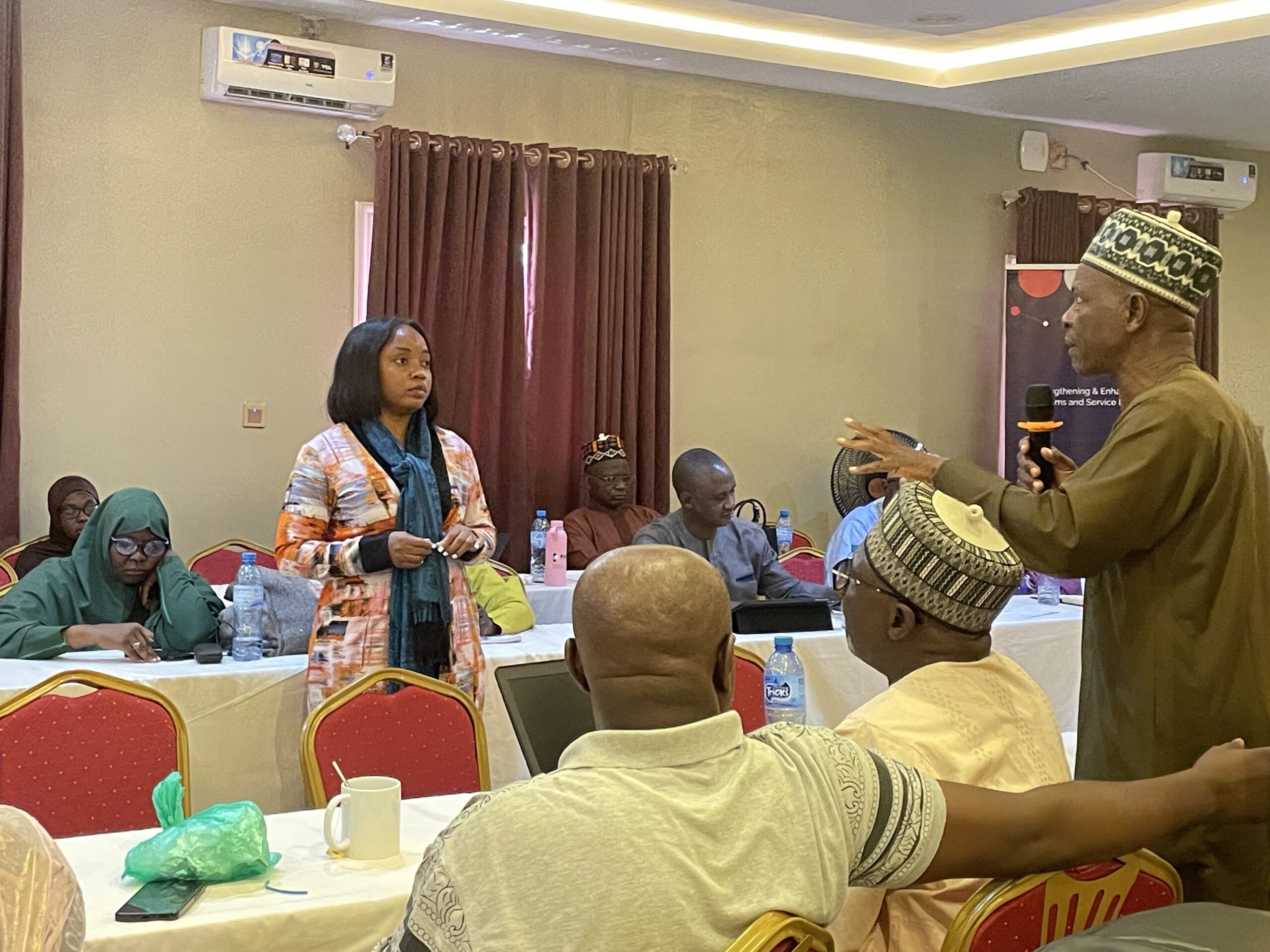
The final stage was the AOP Review, Validation and Finalization Workshop, held from 28 to 30 September 2026 at the Command Guest House, Bauchi State, and convened by the Gombe State Ministry of Health through the State SWAp Coordinating Office. Stakeholders reviewed and validated the consolidated 2027 Health Sector AOP to make sure planned interventions were evidence-based, realistic, adequately costed, and aligned with available resources.
The validation considered the four pillars of the Nigeria Health Sector Strategic Blueprint (HSSB) 2023–2027: health system strengthening and effective governance; reproductive, maternal, newborn, child and adolescent health and non-communicable diseases; strengthened supply chain and local production of health products; and health security and disease control. Cross-cutting priorities, including health information and digital health, health financing and universal health coverage, and partnerships and coordination, were also considered. Particular attention went to making sure activities were supported by reliable data, linked to identified service-delivery gaps, realistically costed, and connected to available or potential funding sources.
The workshop produced three key outcomes. First, participants committed to consolidating facility, LGA, departmental and partner inputs into one comprehensive State Health Sector AOP. Second, they reinforced the importance of linking planned activities to the State’s available fiscal space and identifying government, partner or joint funding sources clearly, while flagging unfunded priorities for further resource mobilisation. Third, they established the need for continued periodic performance reviews to monitor implementation, identify bottlenecks and support timely corrective action.
For TAConnect, the process reflects its approach to technical assistance: working alongside government systems to strengthen planning capacity, support evidence-informed decision-making and back government-led processes that can last beyond individual projects. The focus now moves from planning to turning these commitments into measurable results.