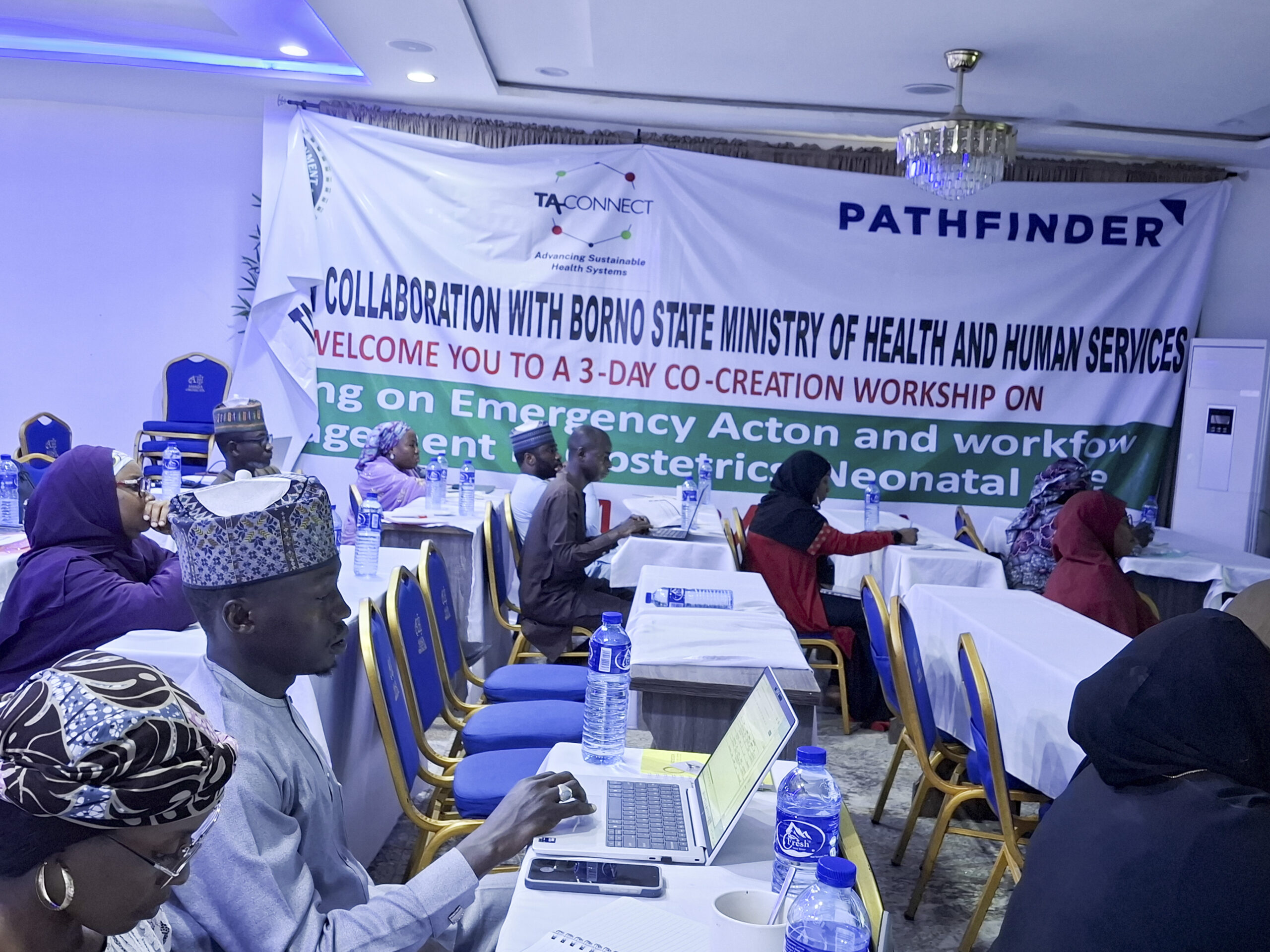
TEAM-OB/NEO co-creation workshop brings Borno’s health leaders and partners together in Maiduguri
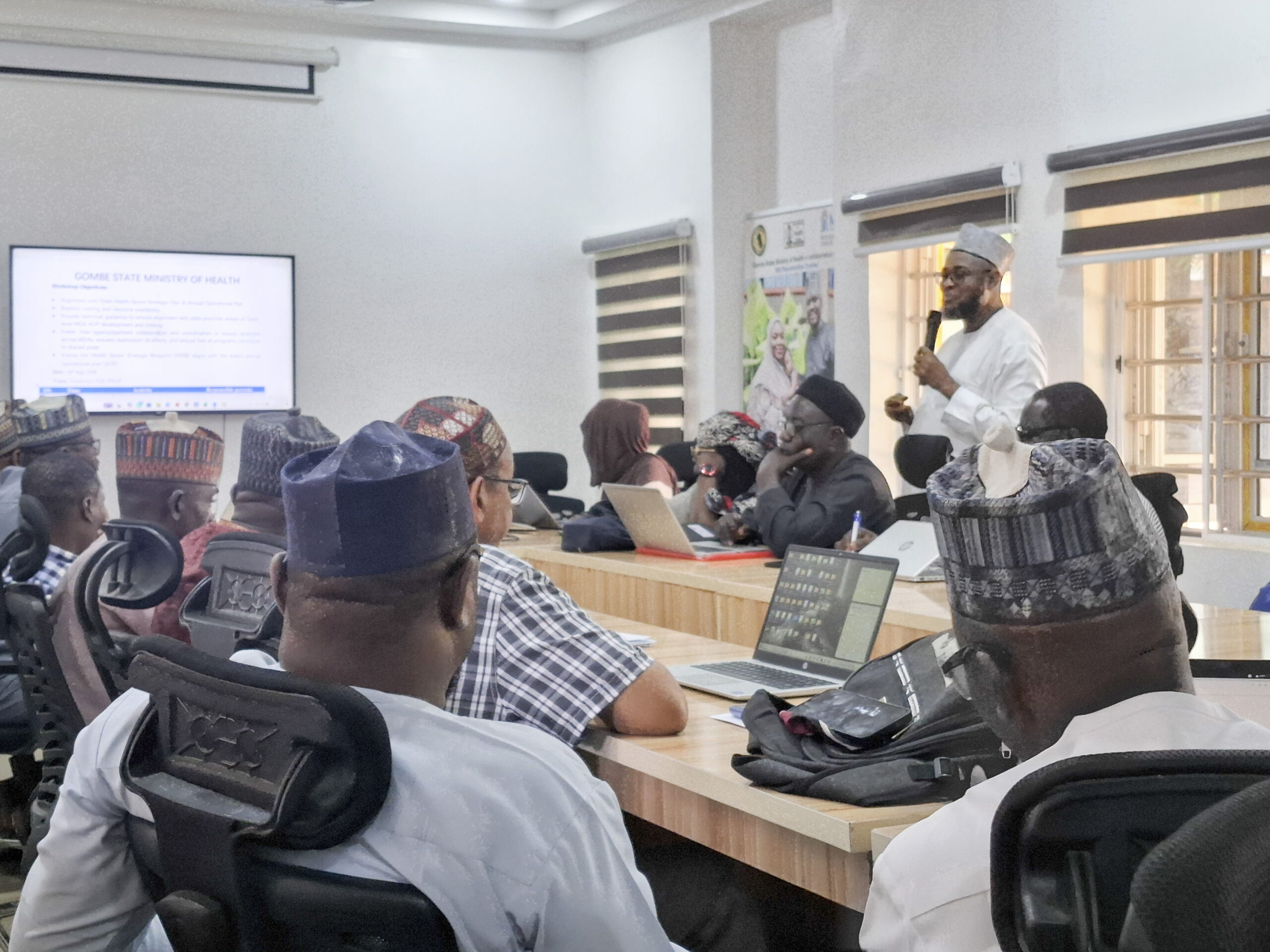
In much of Borno, reaching a health facility in time can be as hard as the emergency itself. Distances are long, roads are not always safe, and there are too few skilled midwives and birth attendants to go around. Yet when a woman bleeds after childbirth or a newborn struggles to breathe, the first few minutes still decide the outcome. In Maiduguri, from 21 to 24 September, health leaders came together to plan for exactly these realities at the co-creation workshop for Training for Emergency Action, Management and Workflows in Midwifery, Obstetrics and Neonatal Care (TEAM-OB/NEO), the next phase of TAConnect’s work to reduce maternal and newborn deaths.
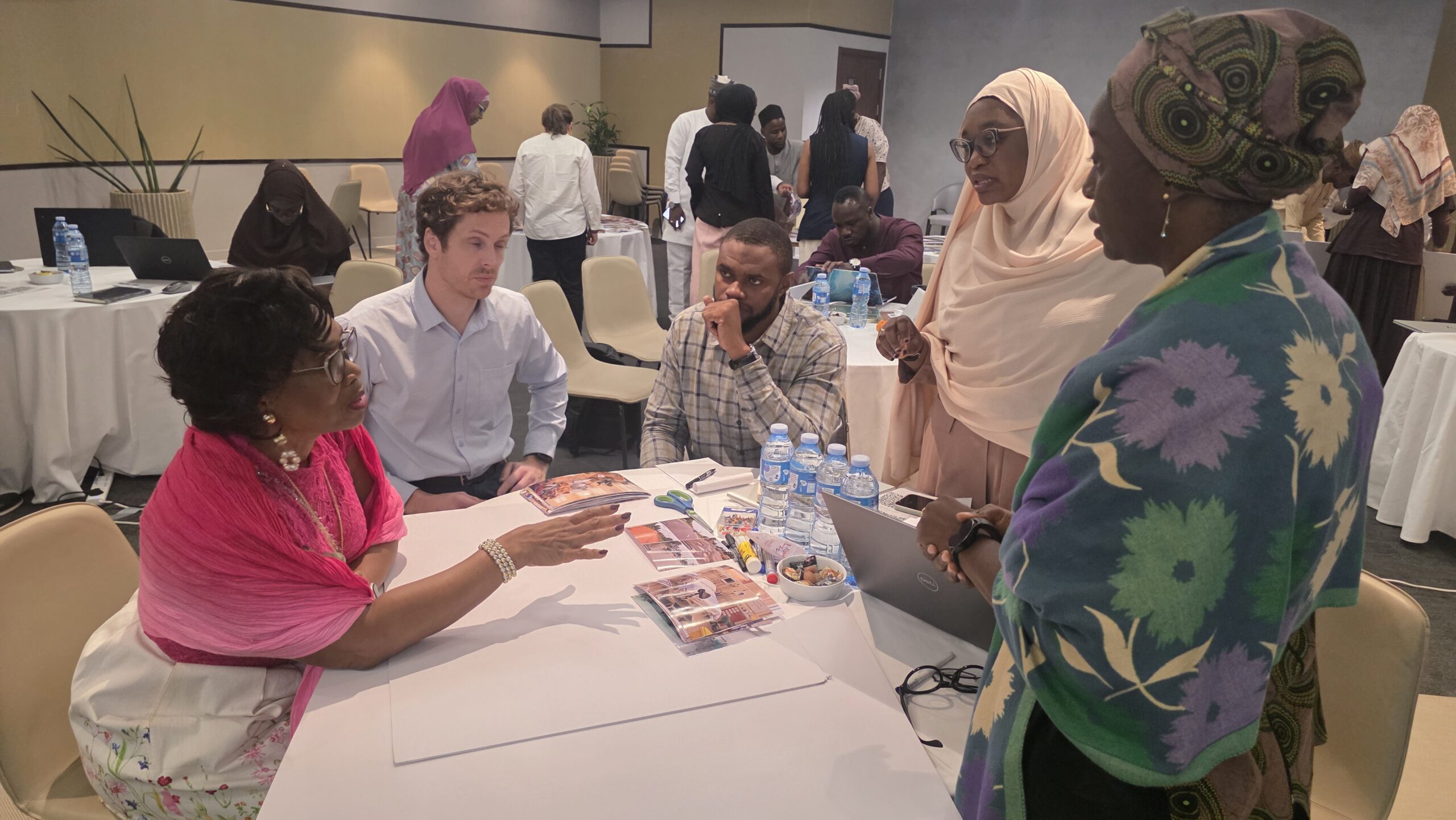
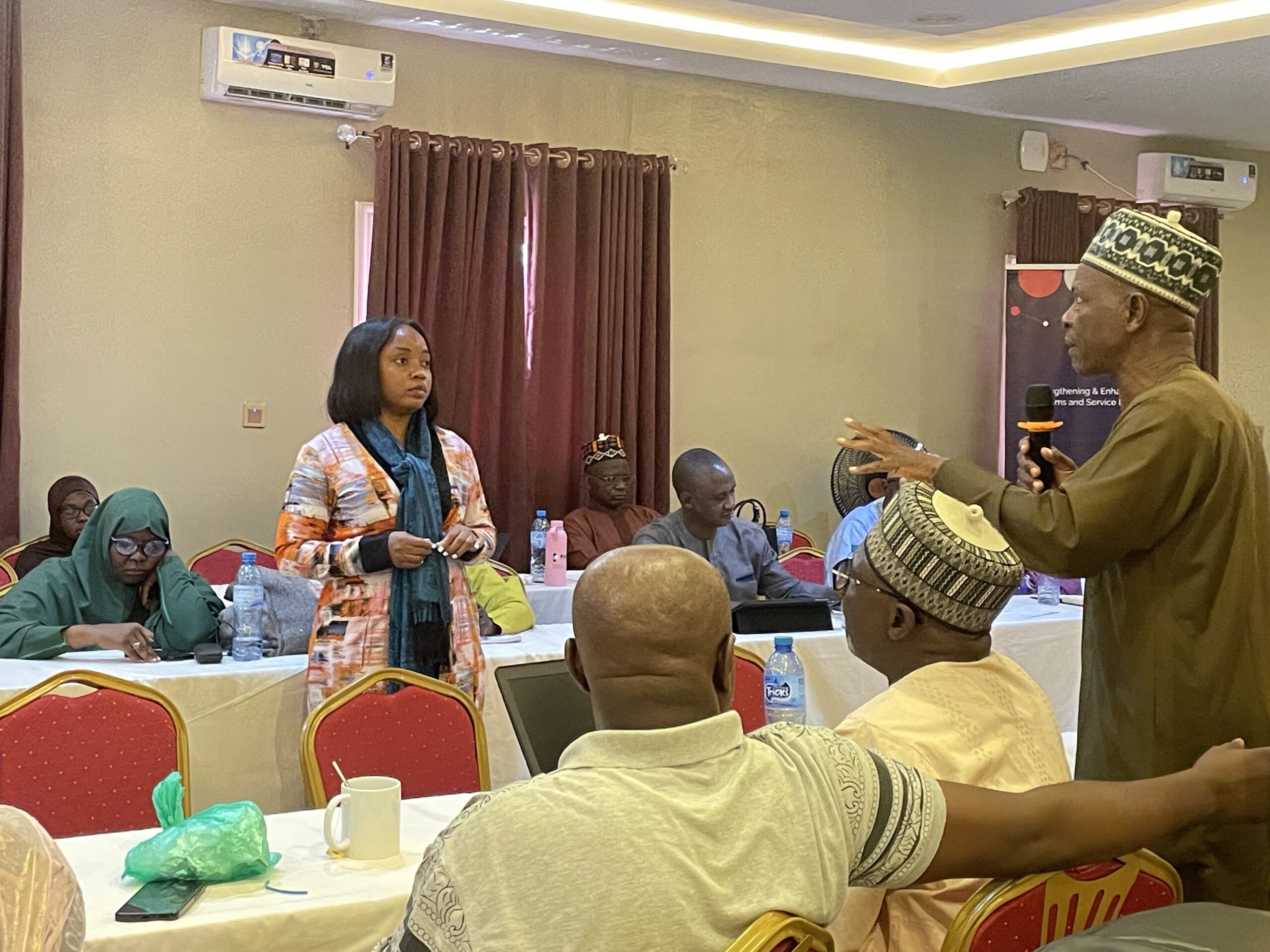
It brought together 49 people from Borno State’s government ministries and health agencies, TAConnect and partners, including HSDF and Pathfinder International. The plan that came out of it belongs to Borno. State officials sat at the centre of every conversation, and the programme was shaped around their priorities, not handed to them.
The state’s leaders set the tone from the opening session. Dr Adamu Maaji of the National Health Insurance Authority reminded participants that women and children are still dying from causes that timely, quality care could prevent. Permanent Secretary Dr Shetima Mohammed, speaking for the Commissioner for Health, said maternal and child health remains a major concern for the state, and that he expects the programme to reach beyond the 13 local governments it now covers.
Participants looked honestly at what had worked: strong political will, close cooperation across sectors, and steady mentoring of health workers. They were just as frank about what stands in the way. Insecurity limits movement, medicines are hard to deliver over long distances, and some facilities cannot yet stay open around the clock.
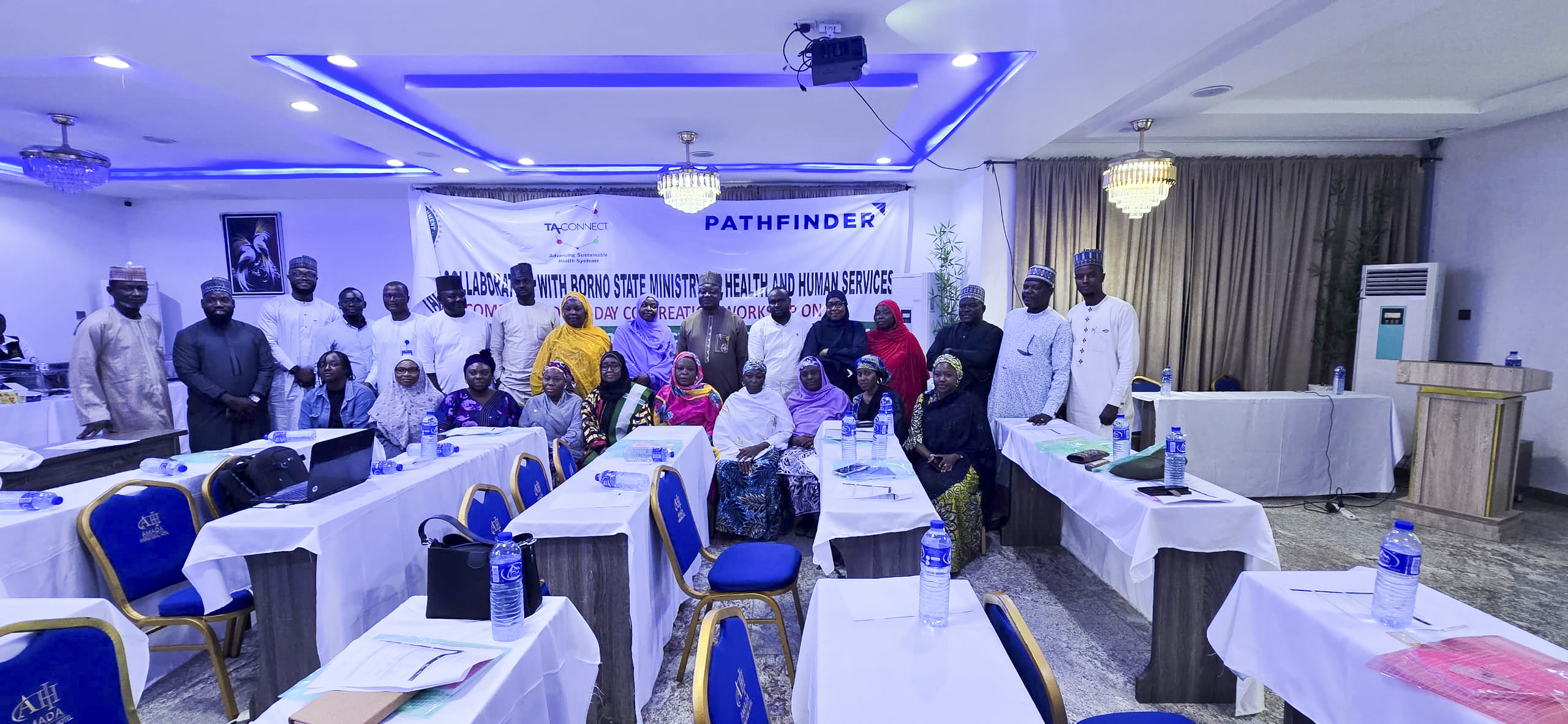
Their answers were practical and rooted in Borno’s own systems. Health workers will keep learning by doing, with mentors close by. Staff who move on will pass their skills to colleagues so that knowledge stays in the facility. The state’s own data officers will become part of the routine health information system, and the state will lead on getting medicines to facilities and tracking them.
Above all, participants insisted that the plan be built into government structures from the start, including the state’s annual plan and its regular review meetings. That way the work continues after any project ends, and no partner has to keep it alive.
The next steps are set. The state workplan will be finalised and validated in October, training of trainers follows in November, and rollout across supported facilities is planned for December.
For a mother in labour in Borno, the difference will not be a workshop. It will be a trained team within reach, the medicines she needs, and a facility that stays open and ready, because the state has chosen to make it so.