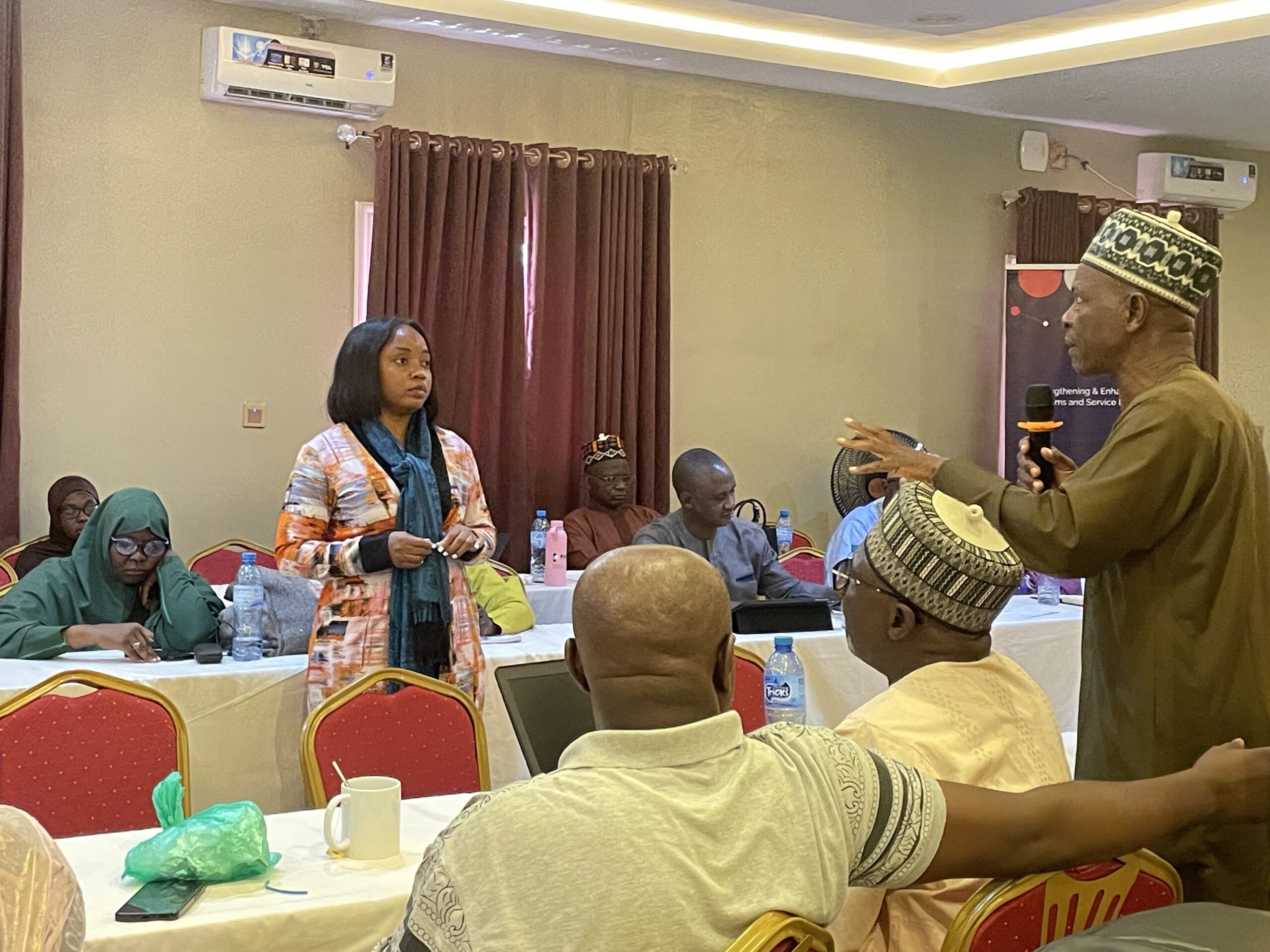
TEAM-OB/NEO co-creation workshop brings state and partners together in Zaria
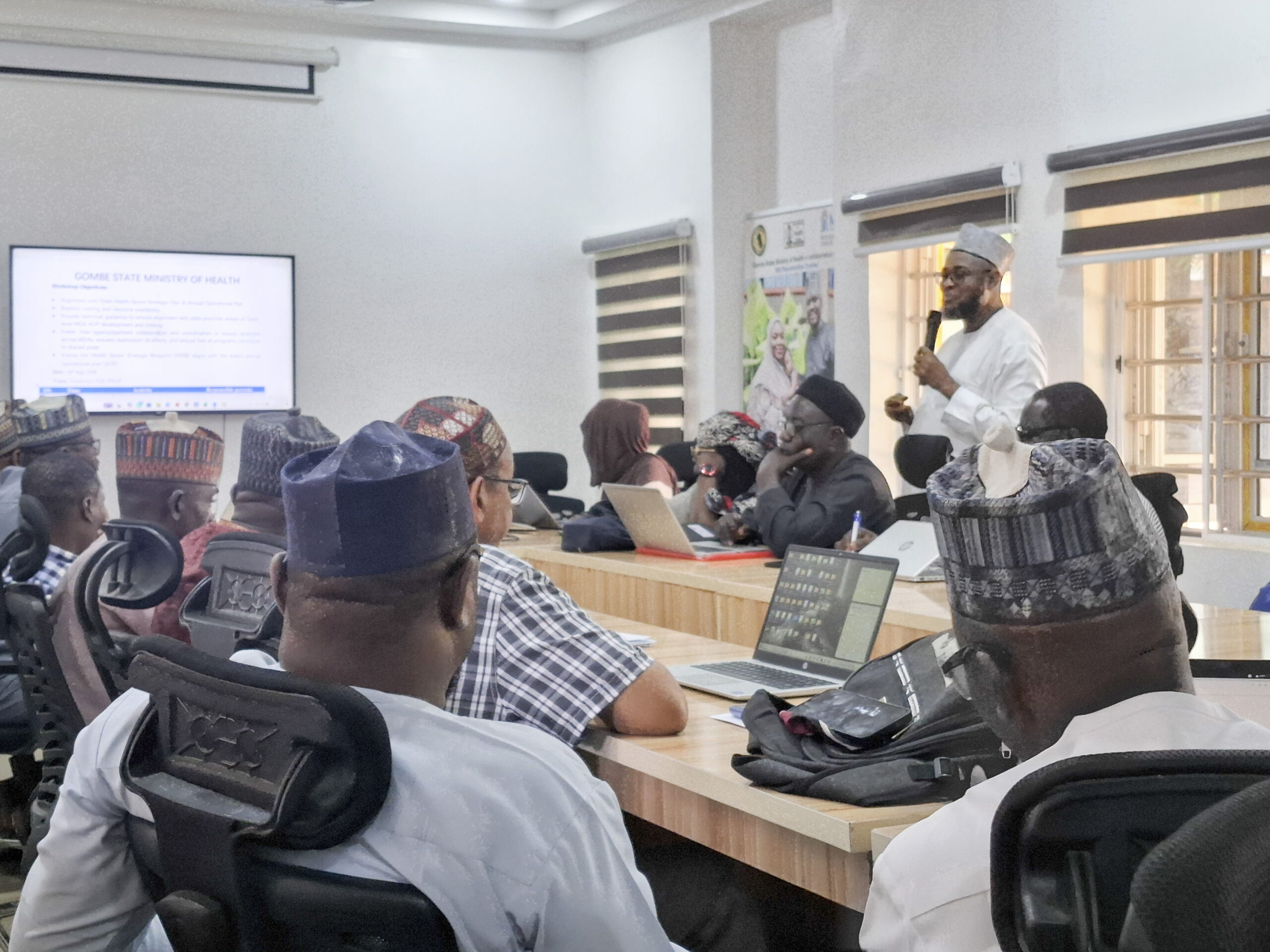
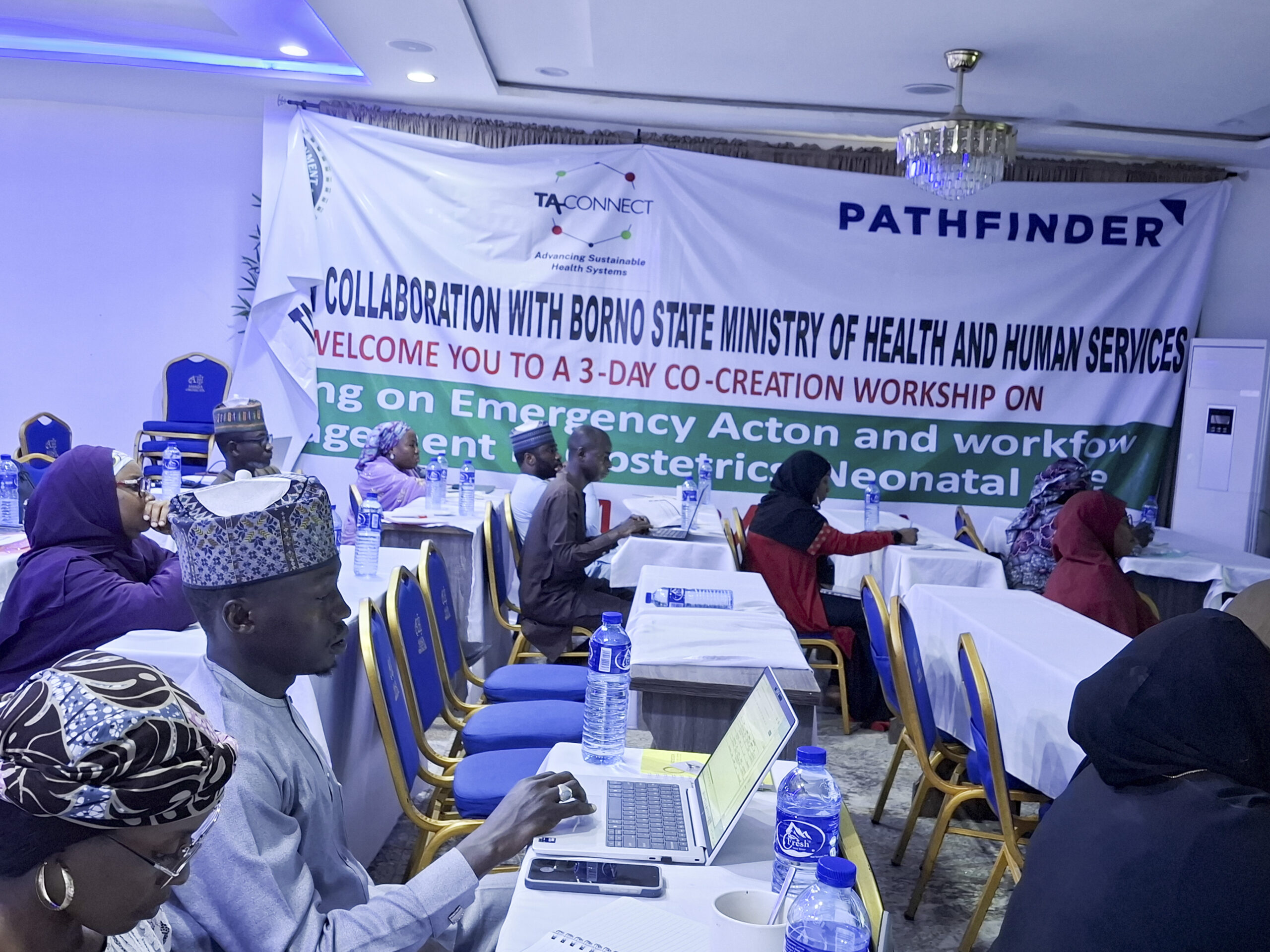
When a woman is bleeding after childbirth, or a newborn is struggling to breathe, there is very little time. What happens in those first few minutes often decides whether a family goes home together. In Zaria, Kaduna State, from 24 to 26 September, health leaders spent three days working out how to make sure every facility is ready when those minutes come.
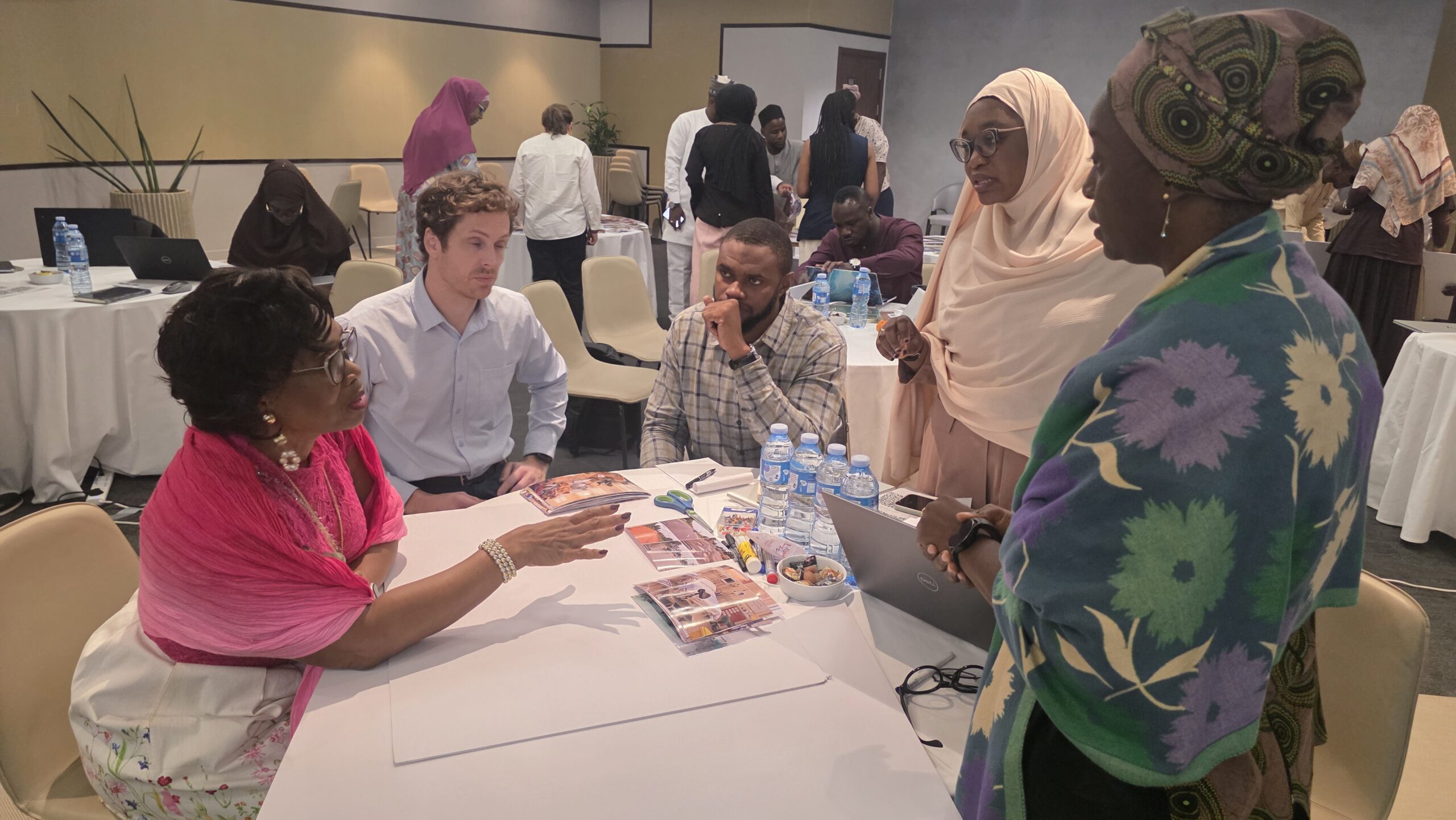
The gathering was a co-creation workshop for the Training for Emergency Action, Management and Workflows in Midwifery, Obstetrics and Neonatal Care (TEAM-OB/NEO), the next phase of TAConnect’s work to reduce maternal and newborn deaths. It brought together 49 people from the Kaduna State Ministry of Health, the state’s health insurance, primary health care and supply agencies, and the TAConnect team. TAConnect did not arrive with a finished plan. Government officials, health managers and programme staff shaped it together, room by room.
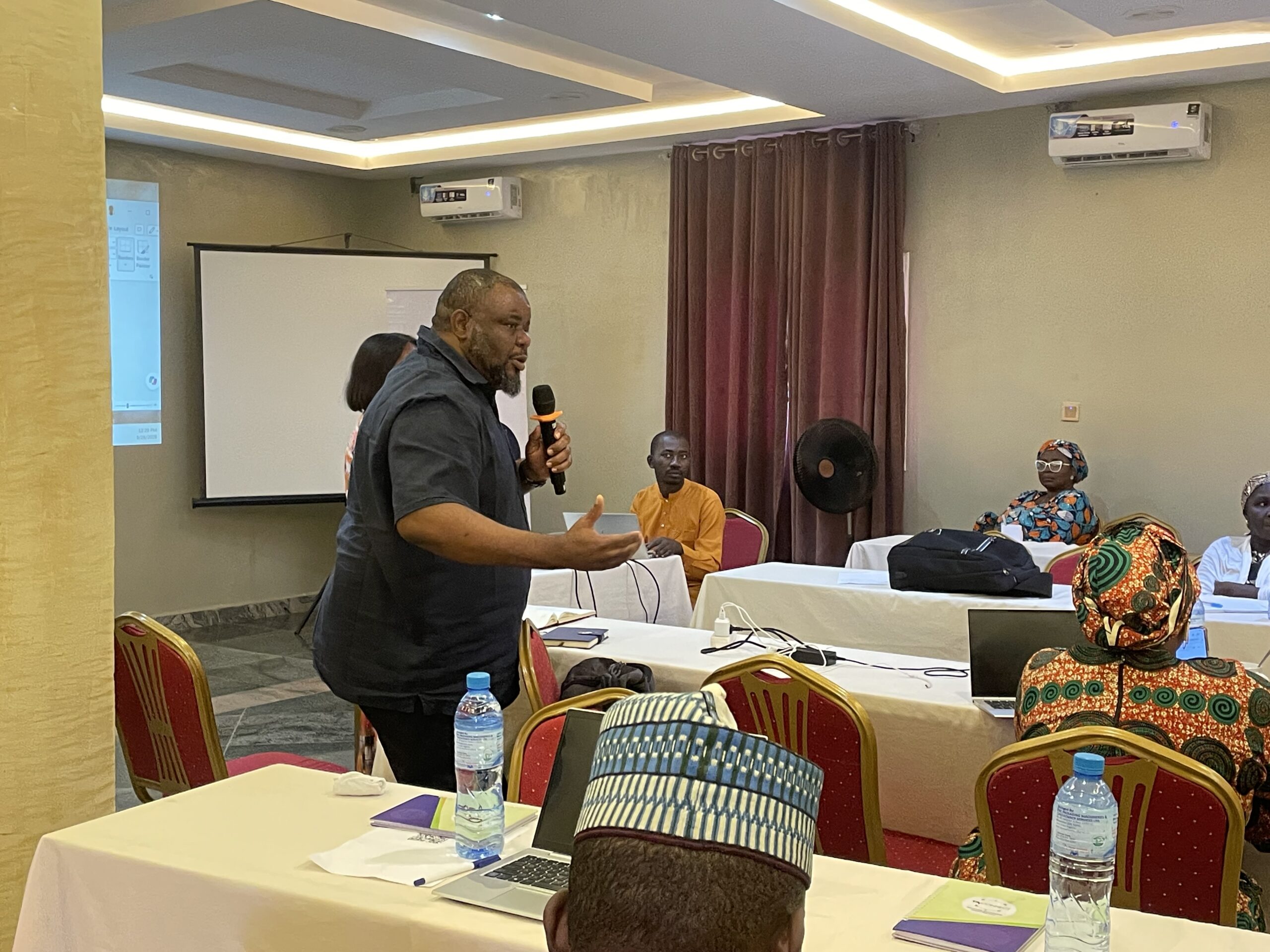
The conversations were honest. Participants spoke about what had worked in the past year and what had not. Midwives and doctors often lacked practice with real emergencies. Life-saving medicines were sometimes missing, or stored badly, or bought from unreliable sources. Some facilities had no space or equipment for staff to rehearse emergencies. Rather than treating these as problems for someone else to fix, the group worked on answers. Health workers would learn through regular hands-on practice at their own facilities, guided by mentors. Well-equipped facilities would become training centres that support smaller ones nearby. Medicines would be safer and reliably in stock, and information from facilities would guide the next decisions.
The Commissioner for Health, Hajia Umma K. Ahmed, joined on the second day and reminded everyone why the work matters. “Every pregnant woman must receive timely, safe, and quality care, and every newborn must be given the best possible chance to survive and thrive,” she said. She asked participants to remember the women and babies who have been lost, and to build a plan that works in real clinics, not only on paper.
One message returned again and again: the plan has to belong to Kaduna. Dr. Garba Muhammed put it plainly. “Most importantly, this plan must be integrated directly into the Kaduna State Annual Operational Plan. For what? Sustainability. To ensure permanent government ownership.”
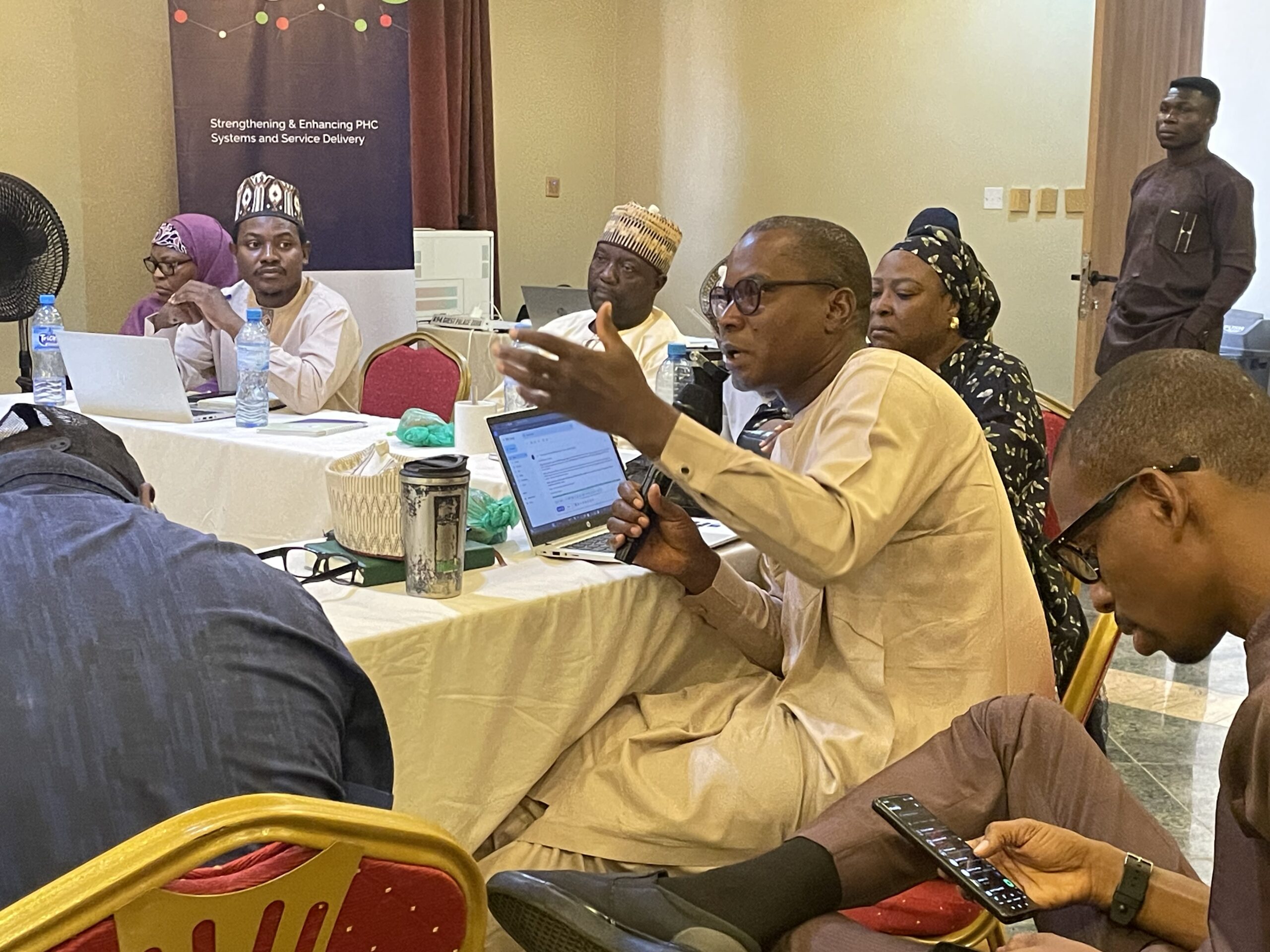
That is exactly what happens next. TAConnect will tidy and share what was agreed, the Ministry will validate the plan in mid-October, and the activities will then be written into the state’s official yearly plan. The work will be carried on by Kaduna’s own health system long after the workshop.
For a mother in labour in a Kaduna health centre, the difference will not be a workshop. It will be a trained team, the right medicine within reach, and a facility that is ready.