Somewhere in Nigeria today, a woman will give birth, and in the minutes that follow, she will be at the greatest risk of dying. Postpartum haemorrhage, uncontrolled bleeding after delivery, remains the leading cause of maternal death in this country. It kills quickly, often within two hours, and it kills women who, moments earlier, had just given birth with no sign that anything was wrong.
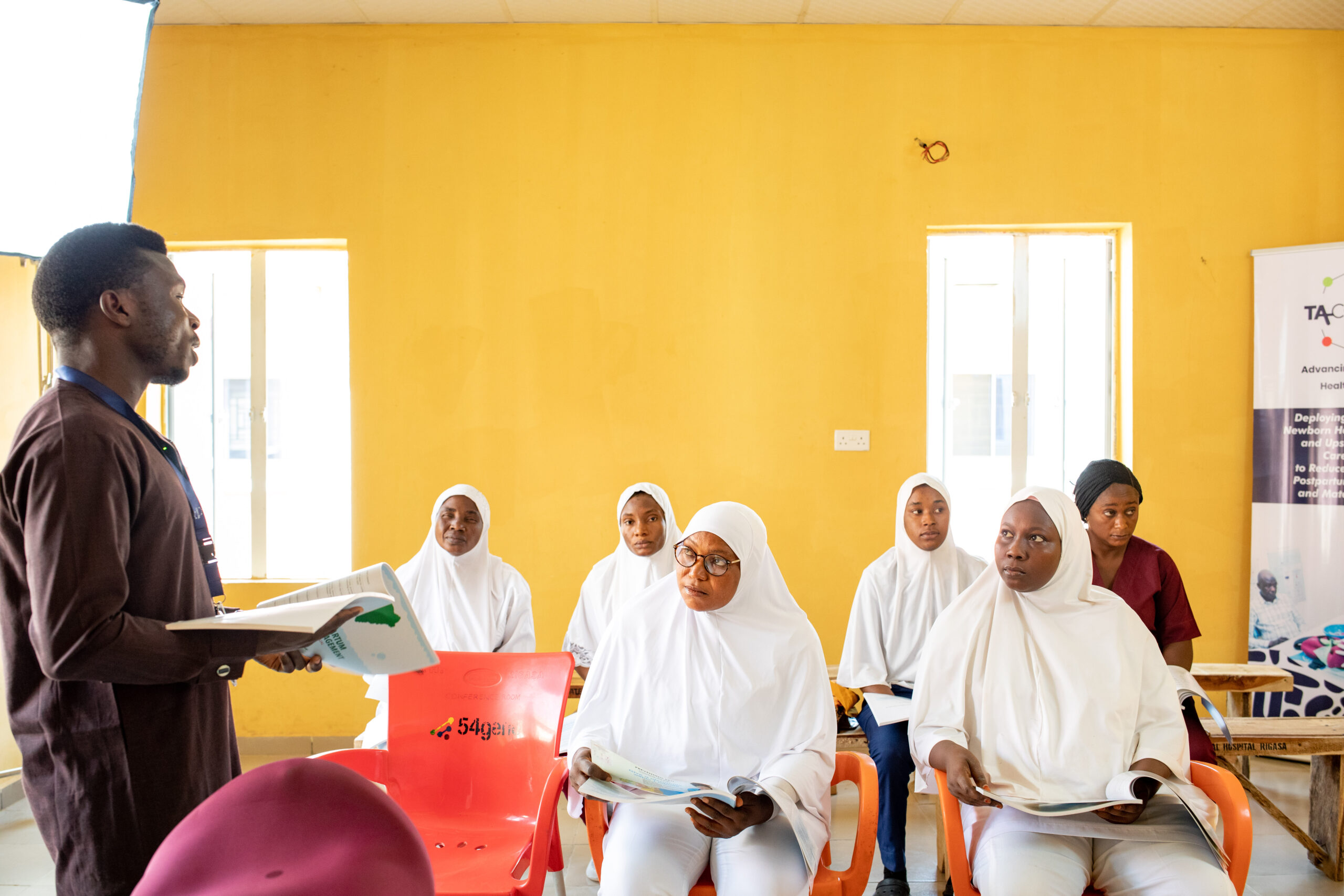
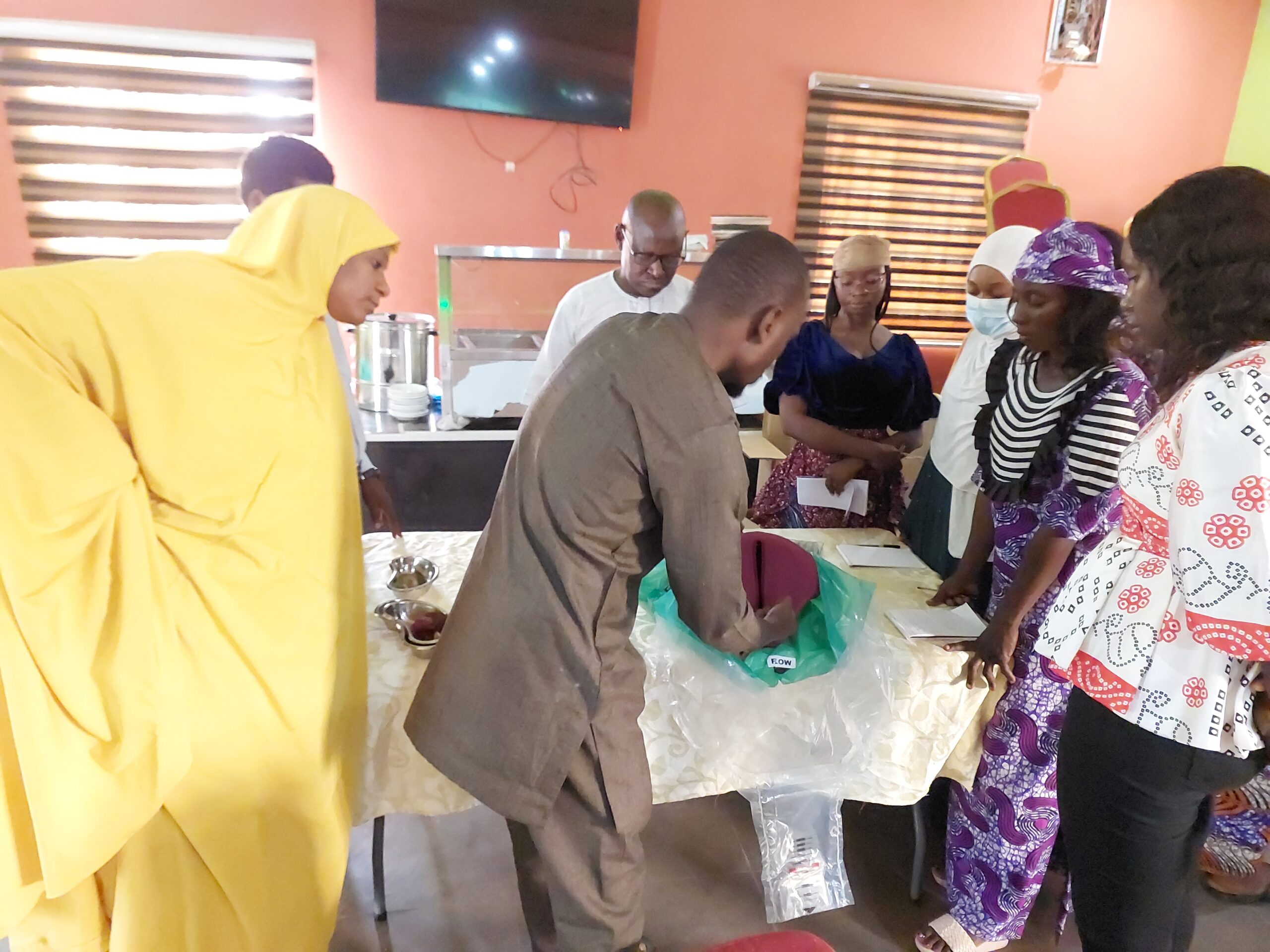
Over the past two years, across seven states, TAConnect and its partners set out to change that. With support from the Gates Foundation, we trained 146 master trainers and 2,032 frontline health workers, doctors, nurses, midwives, and community health extension workers, in a bundle of interventions built around early detection: a simple calibrated drape placed under a woman during delivery, allowing providers to measure blood loss accurately instead of guessing, paired with a first-response treatment protocol that acts before bleeding becomes catastrophic.
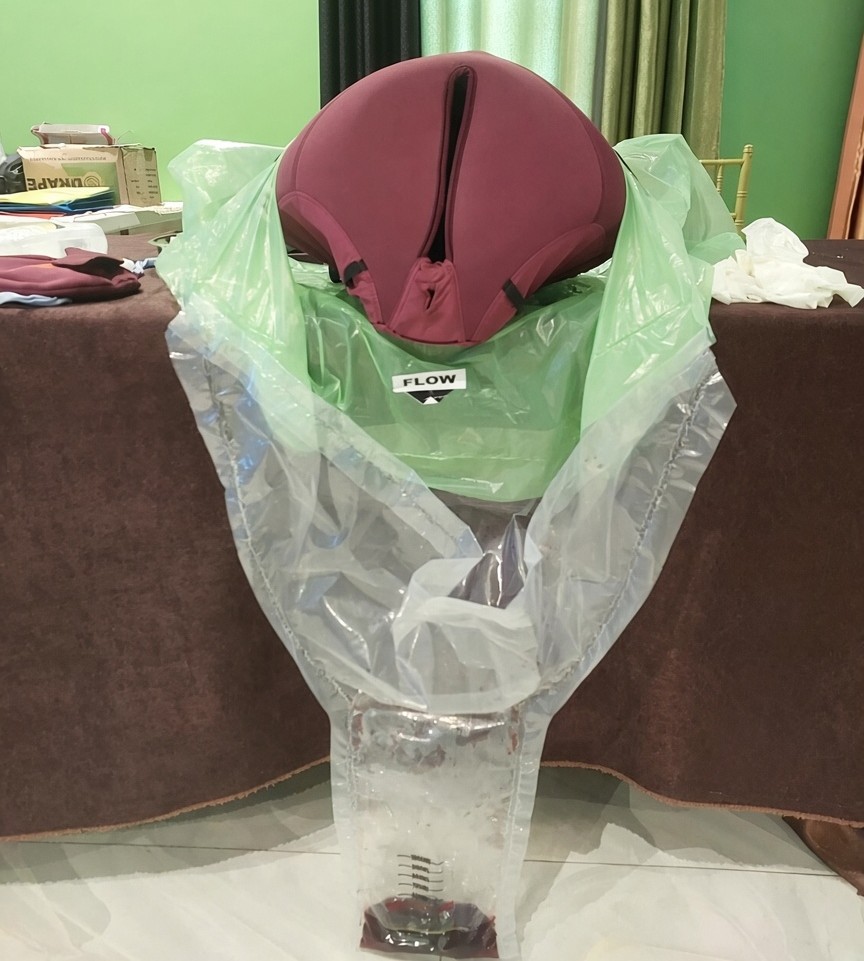
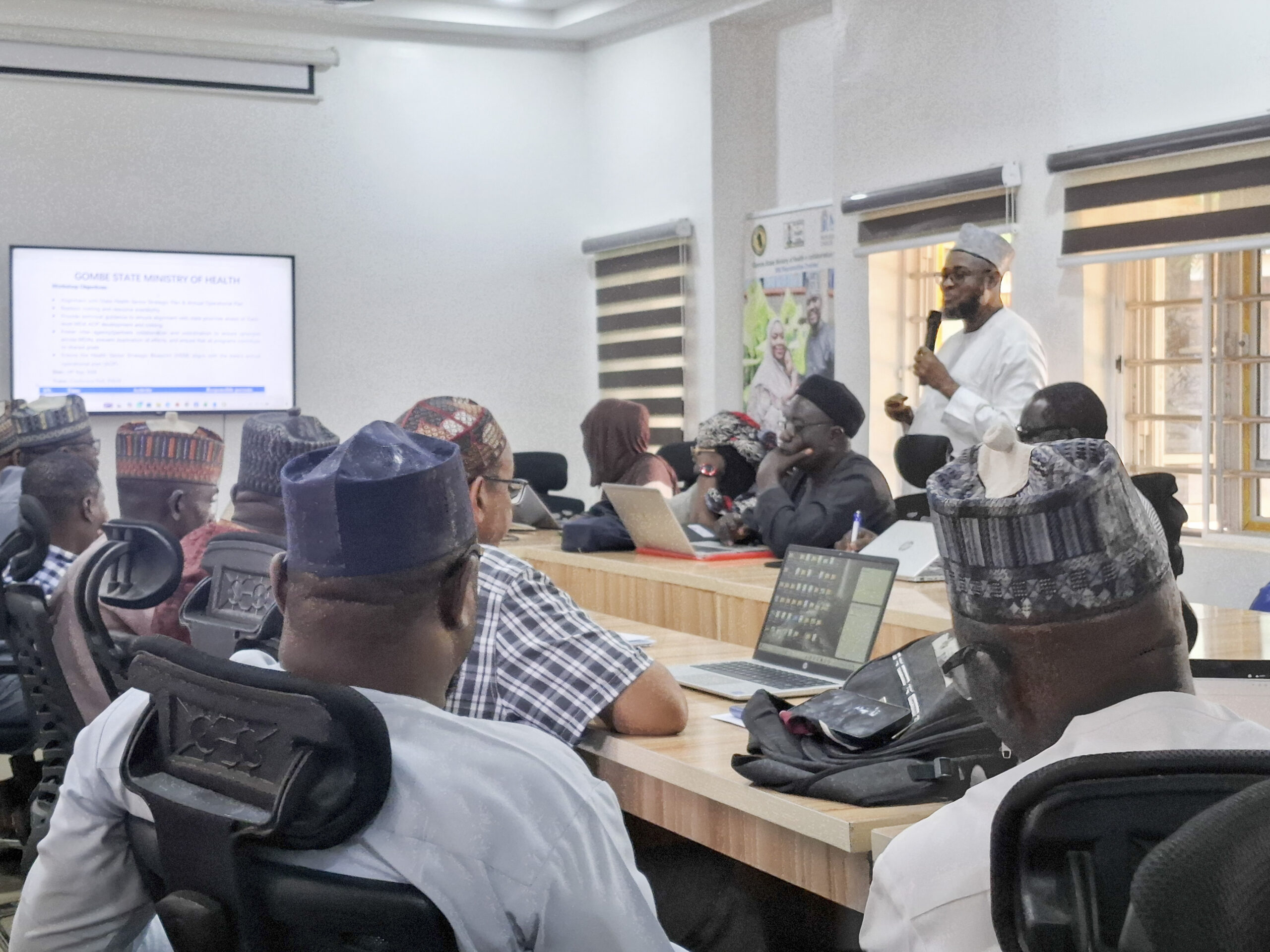
The results, on paper, were striking. Provider competency scores rose sharply everywhere we measured them, by as much as 58 percentage points in most supported facilities. In Bauchi State, use of the calibrated drape rose from 3 percent of deliveries in July 2025 to 92 percent by May 2026. In Lagos, it reached 100 percent and held there. In Gombe, it climbed steadily to 86 percent. These are not small numbers. They represent thousands of women whose bleeding was caught early enough to act on, by a health worker who knew exactly what to do because TAConnect had trained, mentored, and given them the tool to deliver these services
We could end the story there. It would make a fine account of a successful health programme. But it would also be dishonest, because the same data that shows what worked also shows something we did not expect, and did not want to find: those gains are fragile enough to disappear within months, while the programme is still running.
In Borno State, drape utilization collapsed to zero for three straight months, December 2025 through February 2026, before recovering. In Kaduna and Yobe, usage climbed to nearly 90 percent, then slid back to the mid-50s by the end of our programme period. In Yobe’s case, we could trace the decline precisely: stock-outs of the drape itself affected 22 percent of facilities in April and rose to 40 percent by May.
Read that again. Health workers who had been trained, who had passed their assessments, who knew what to do, went back to guessing, not because they forgot, but because the supply chain failed them. This was never a training failure. It was a sustainability failure, and it is a far more common one than we would like to admit in this sector.
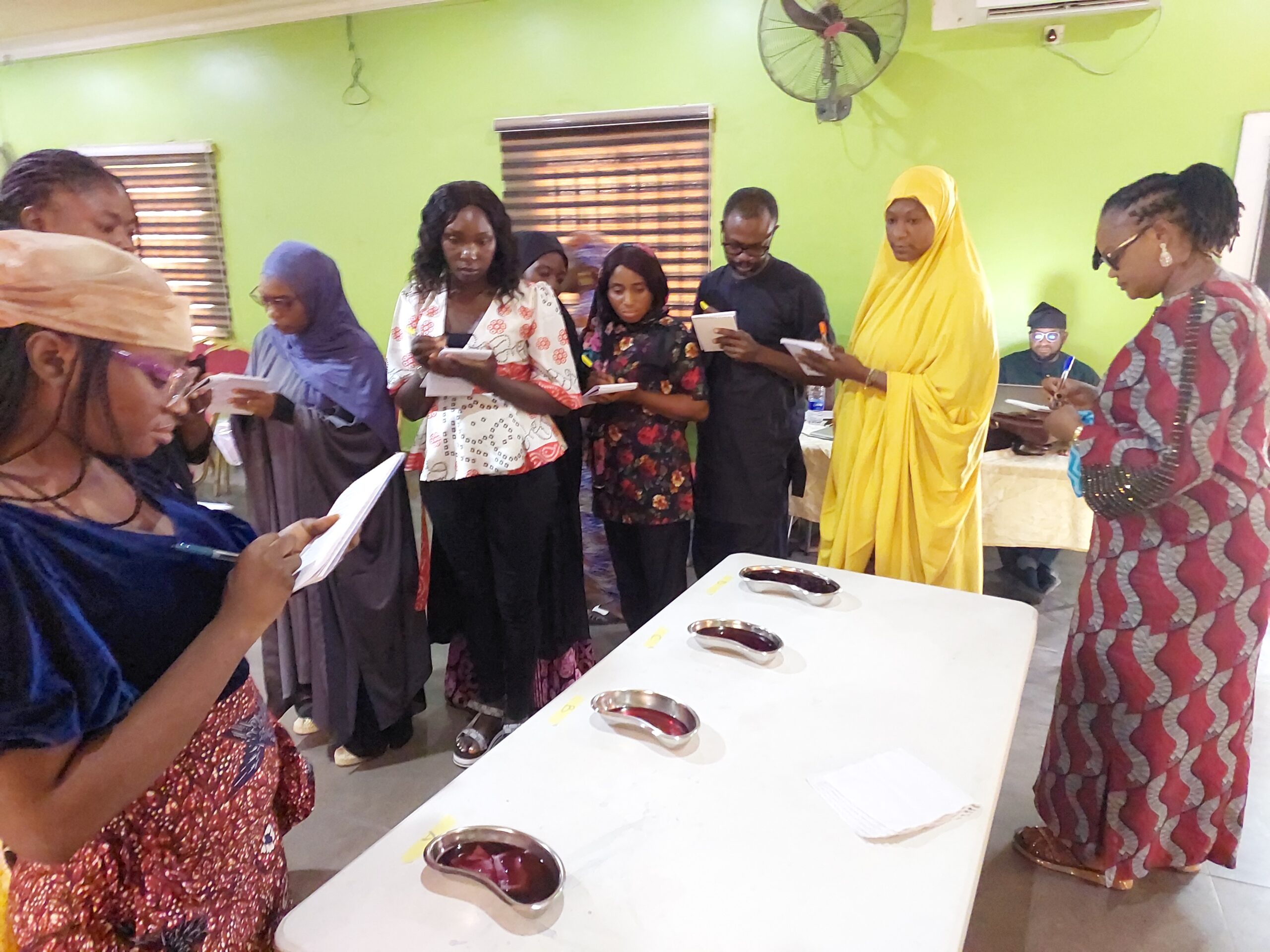
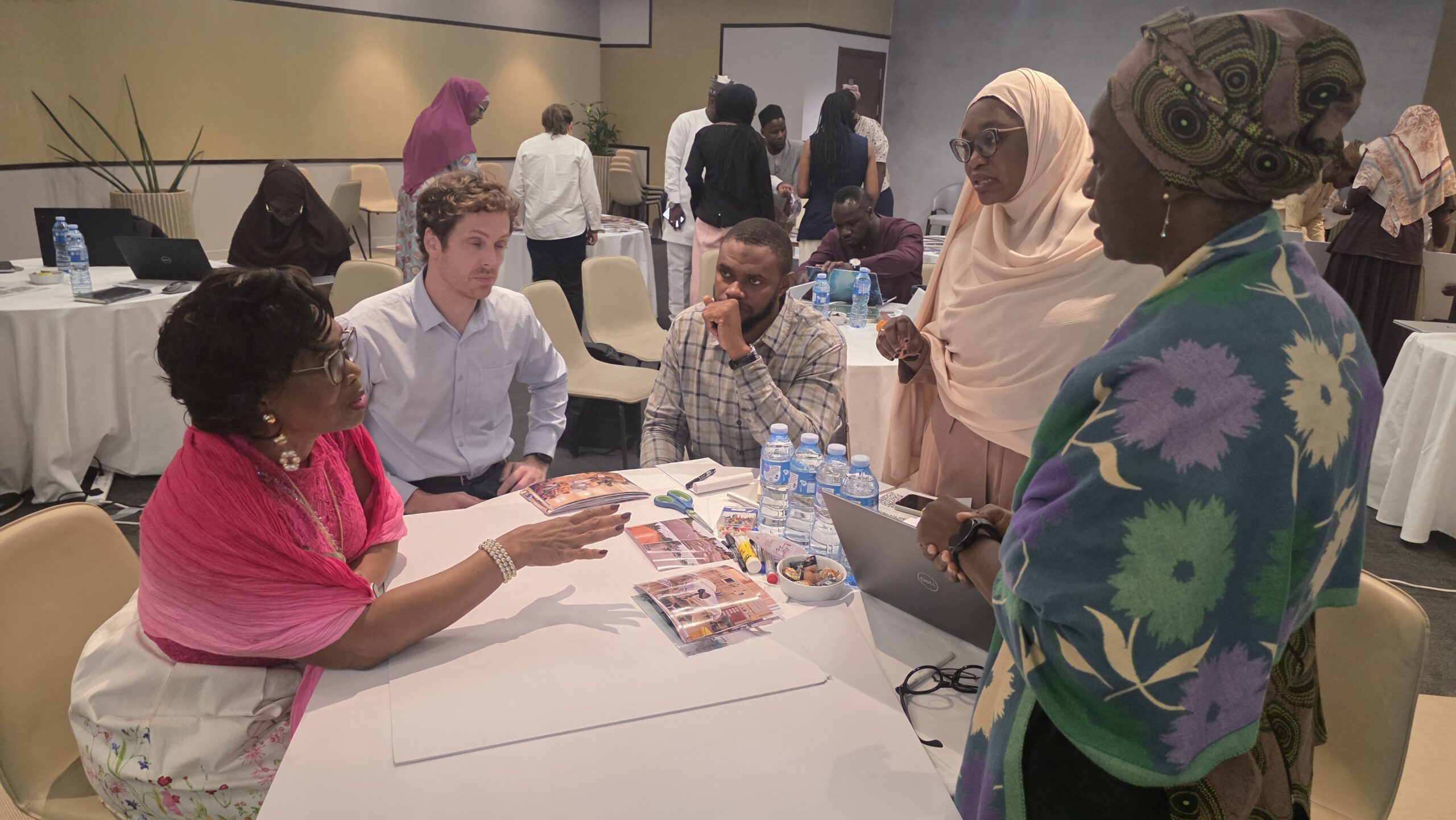
There is a temptation when a donor-funded health programme ends its reporting period to count the trainings delivered and call it done. Our own peer learning review, where teams from all seven states sat together and were asked to name not just what worked but what nearly derailed them, made clear why that temptation must be resisted. The states that sustained their gains were not necessarily the ones with the best-trained staff. They were the states where mentorship began within two weeks of training rather than being delayed, where commodity financing was designed alongside the clinical protocol rather than treated as someone else’s problem later, and where local government took direct ownership of the systems rather than leaving them dependent on a project timeline.
Gombe’s Dukku Local Government Area offers the clearest example of what this looks like in practice. Rather than distributing calibrated drapes as a separate item requiring separate tracking, the local health system folded them directly into the standard delivery kit every facility already used, at no additional cost. Coverage reached 100 percent, and stayed there, because there was nothing extra to sustain. The innovation stopped being a project add-on and became simply how a delivery kit looks now.
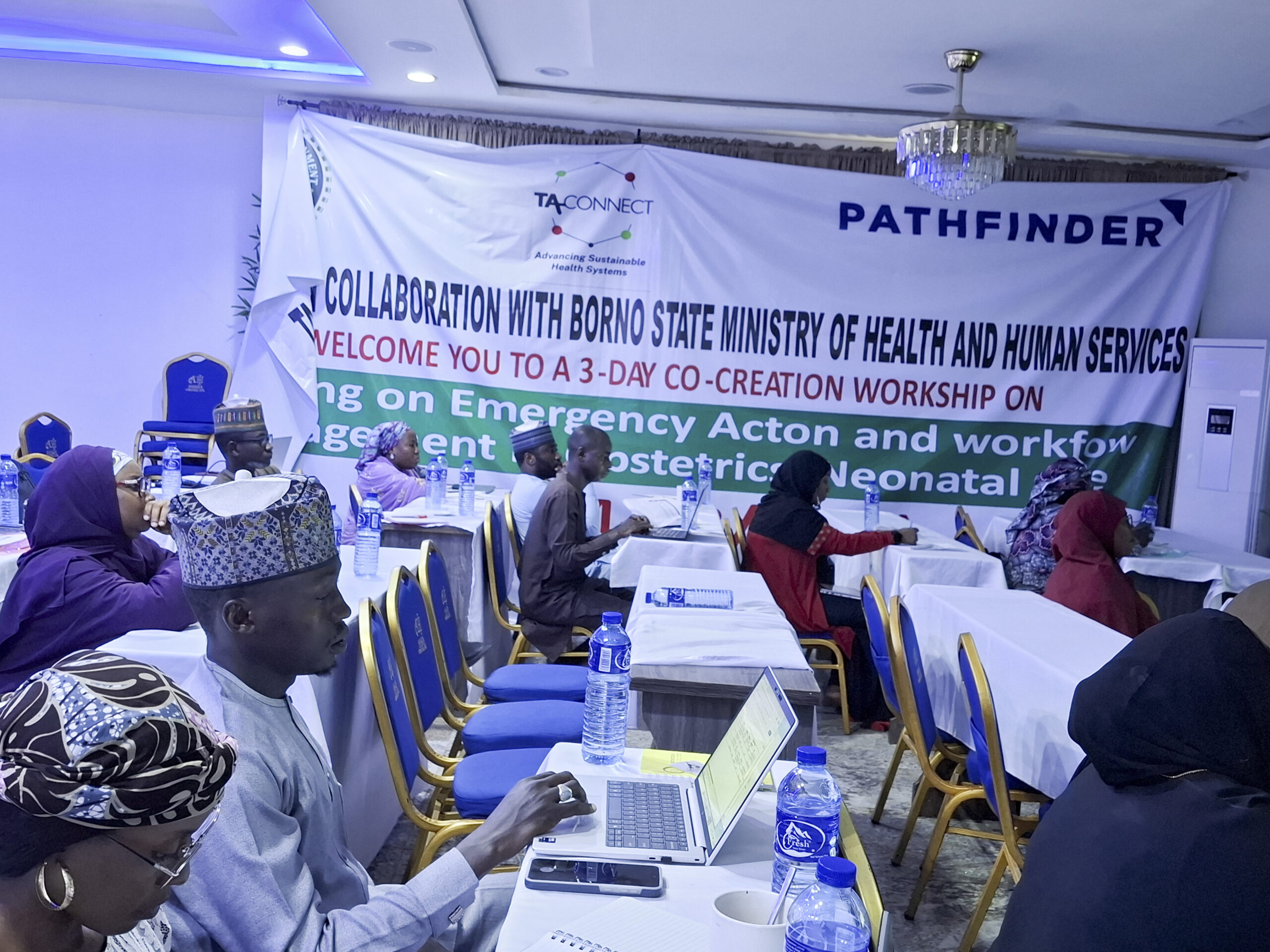
This is the lesson we are carrying into the next phase of this work, an integrated maternal and newborn health platform named TEAM-OB/NEO (Training for Emergency Action, Management and Workflows in Midwifery, Obstetrics and Neonatal Care), operating in Lagos, Kaduna, Borno, and Gombe. Training will still matter. But we are designing this phase around a harder, less celebrated truth: that health innovations do not fail because health workers cannot learn them. They fail when the systems around those health workers- the commodity supply, the mentorship schedule, the government financing line- are treated as afterthoughts rather than as the actual work.
Nigeria does not have a shortage of health workers willing to learn how to save a mother’s life. What our own data shows, uncomfortably and unmistakably, is that we still have work to do making sure the system around them lets them keep doing it. That is not a footnote to our results. It is the result that matters most.