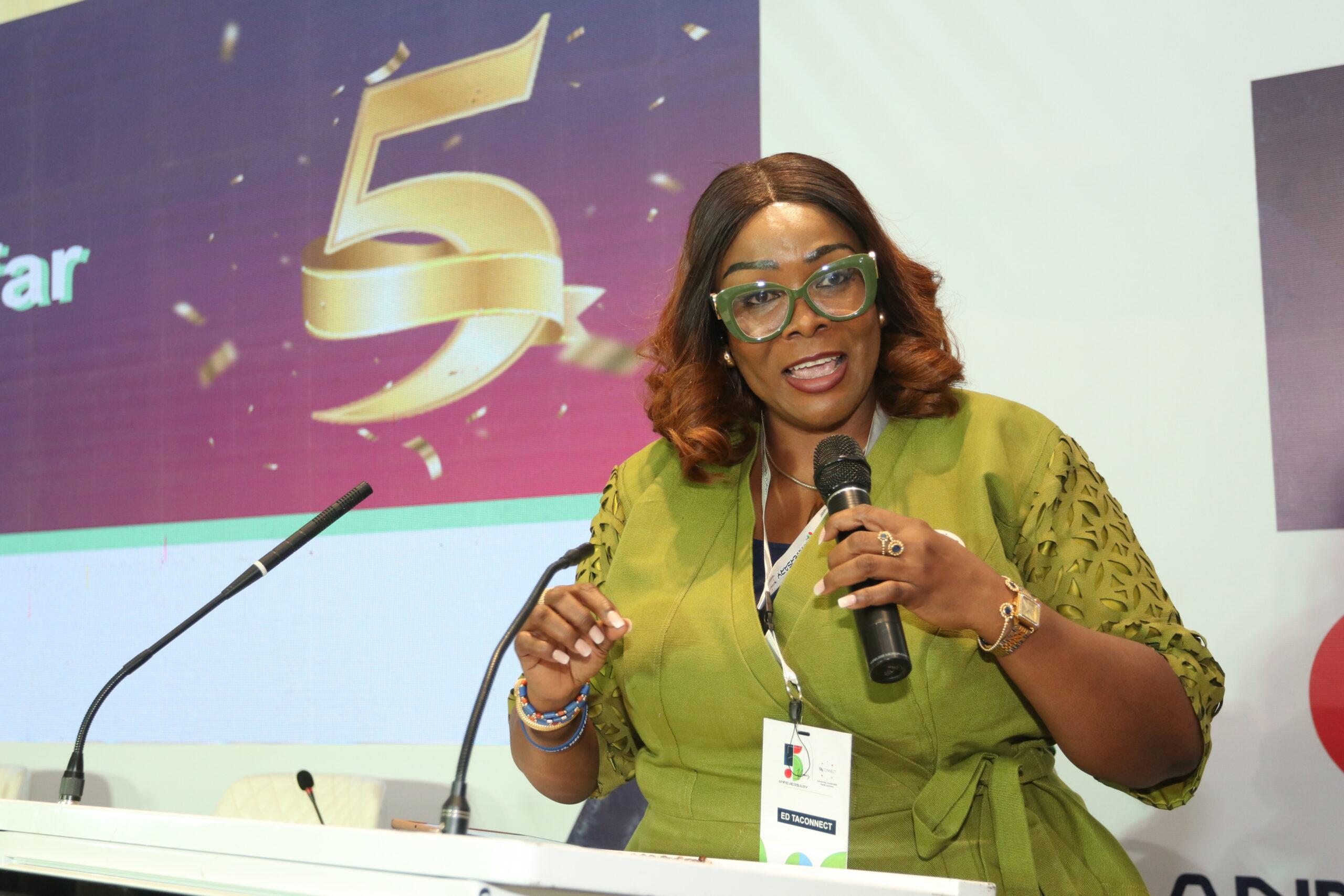
In a landmark presentation on the TAConnect journey so far, the Executive Director traced eight years of evolution, from formative conversations at the Gates Foundation to a hybrid institution whose Group Antenatal Care model has enrolled over a million Nigerian women.
More than one million pregnant women enrolled in Group Antenatal Care (GANC). Nearly six thousand health workers were trained. Thousands of women diagnosed with postpartum haemorrhage were treated and discharged home to their families. When Dr. Lilian Anomnachi, Executive Director of TAConnect, took the stage to present the organization’s journey so far, the numbers told a story larger than any institution: a story of lives changed at the last mile of Nigeria’s health system.
Dr. Anomnachi captured the organization’s ethos in a single phrase that ran through her presentation: “building the ship as it sailed.” The voyage began before TAConnect had a name, with formative discussions within the Gates Foundation and among grantees and stakeholders before December 2018. CHAI, HSDF and Solina received shared grants to design the Technical Assistance Hub, submitting its proposed components in 2019, followed by the grant signing and kick-off. By early 2020, engagement had commenced in Kano and Kaduna, with consultations soon following in Gombe, Lagos, Nasarawa and Niger, the activation of the Strategic Response Facility, and the inauguration of an independent review panel.
Then came the defining transition. TAConnect was registered as a legal entity in February 2021; its Executive Director was hired in March; and on the 1st of July 2021, exactly five years to the day before the anniversary celebration, TAConnect became independent, with its Board inaugurated and governance, operational and fiscal functions transitioning fully from incubation to Nigerian ownership. The launch, scale-up to five additional states, and transition to new investment followed in 2022.
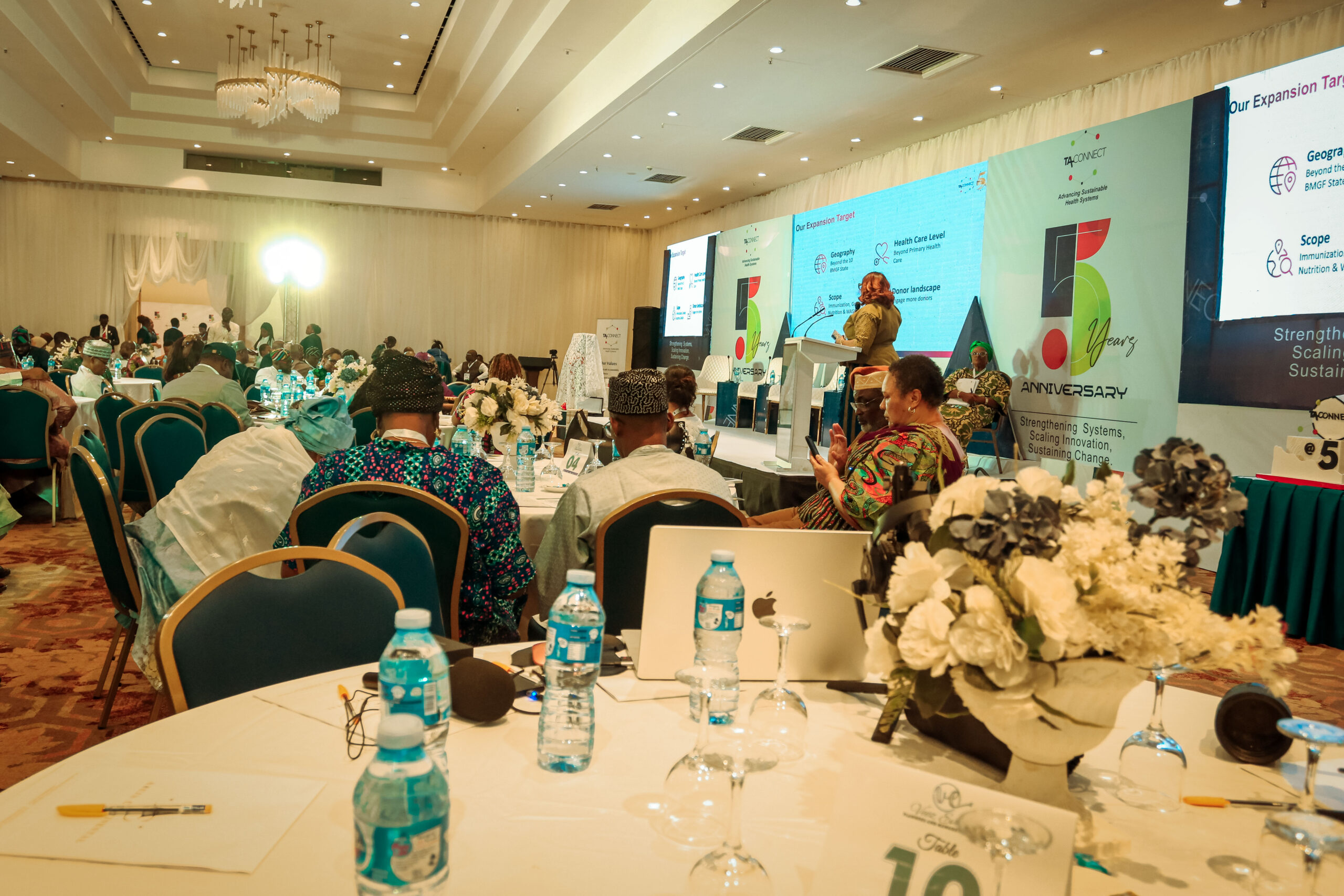
Since then, the growth has been remarkable. TAConnect has expanded from four major projects to twenty-five deployments and evolved from a single Technical Assistance Hub into a hybrid model integrating service delivery and grantmaking. Along the way, it built its own institutional technology (TAMIS, the Technical Advice Management Information System, and TAPPAMS, the Technical Assistance Provider Portal and Award Management System), while supporting the development and domestication of policies and guidelines at national and sub-national levels and deepening its organizational bandwidth through a diverse pool of expertise.
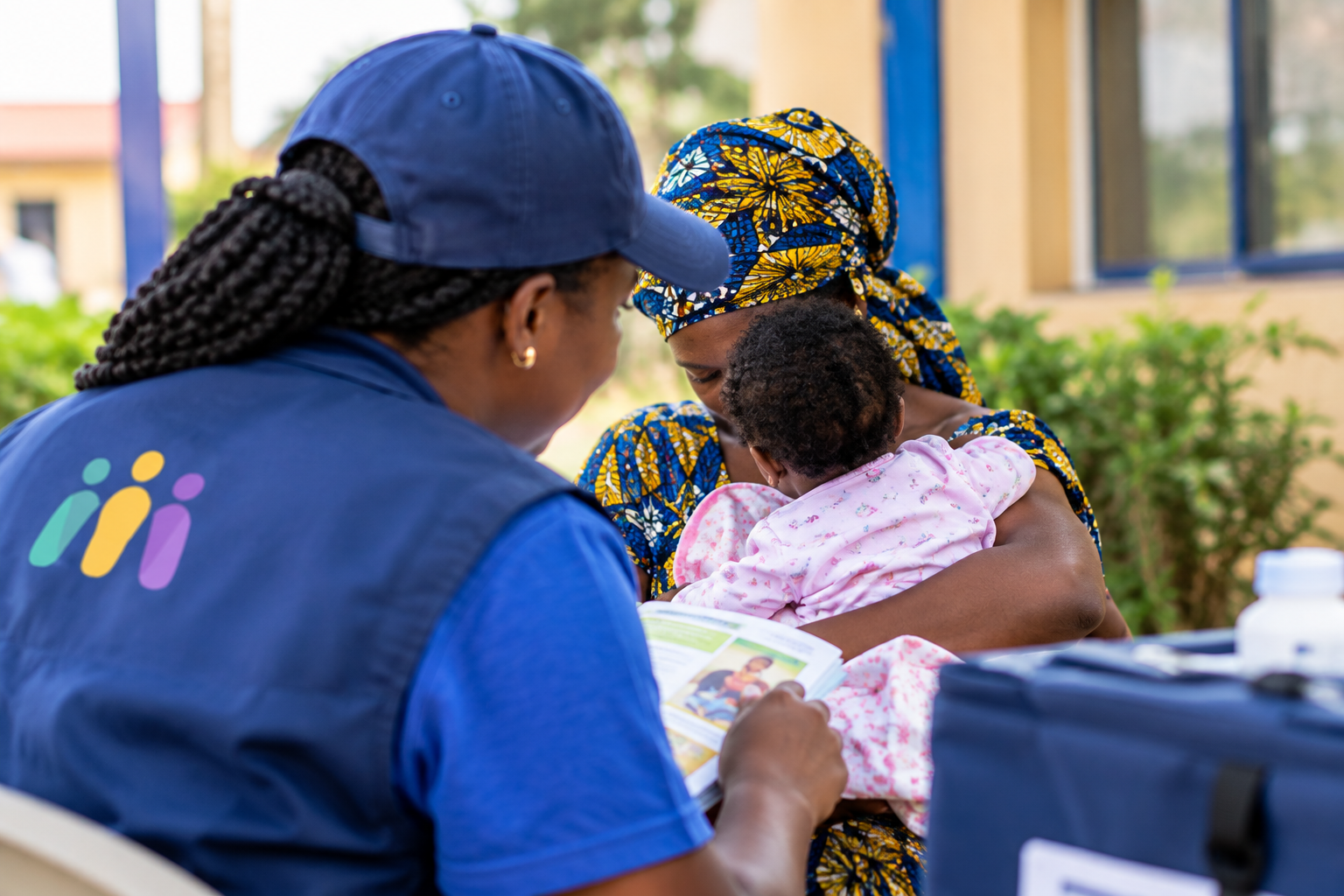
Nowhere is the human impact clearer than in maternal health. Following a successful randomized controlled trial that showed promising effects on quality of ANC, retention, facility-based delivery, pregnancy outcomes and women’s experience of care, TAConnect led the scale-up of GANC across Kaduna, Kano, Nasarawa, Yobe, Borno, Niger and Lagos, the largest implementation of the model in Sub-Saharan Africa. Today, GANC runs in 1,542 health facilities, representing 32 percent of all public primary health centres across the implementing states, with 1,028,766 pregnant women enrolled in 81,473 cohorts. Through the drive to accelerate adoption of maternal and newborn health innovations in Lagos, Gombe, Borno and Kaduna, 400,000 pregnant women have been reached and 5,907 healthcare workers (doctors, nurses, midwives, CHEWs and JCHEWs) trained; of 6,895 women diagnosed with postpartum haemorrhage, 6,801 received treatment, and 6,350 were treated and discharged.
Acknowledging the donors whose confidence has powered the journey (the Gates Foundation, Bloomberg Philanthropies, the United States Government through the THRIVE project, and the Pfizer Foundation), Dr. Anomnachi closed by looking firmly forward. TAConnect’s expansion targets are unambiguous: geography beyond the ten Gates Foundation-supported states; engagement beyond primary health care; a widened scope embracing immunization, gender, nutrition and WASH; and a broadened donor landscape. The ship, her presentation made clear, is no longer being built as it sails: it is seaworthy, crewed, and setting up the course for deeper waters.