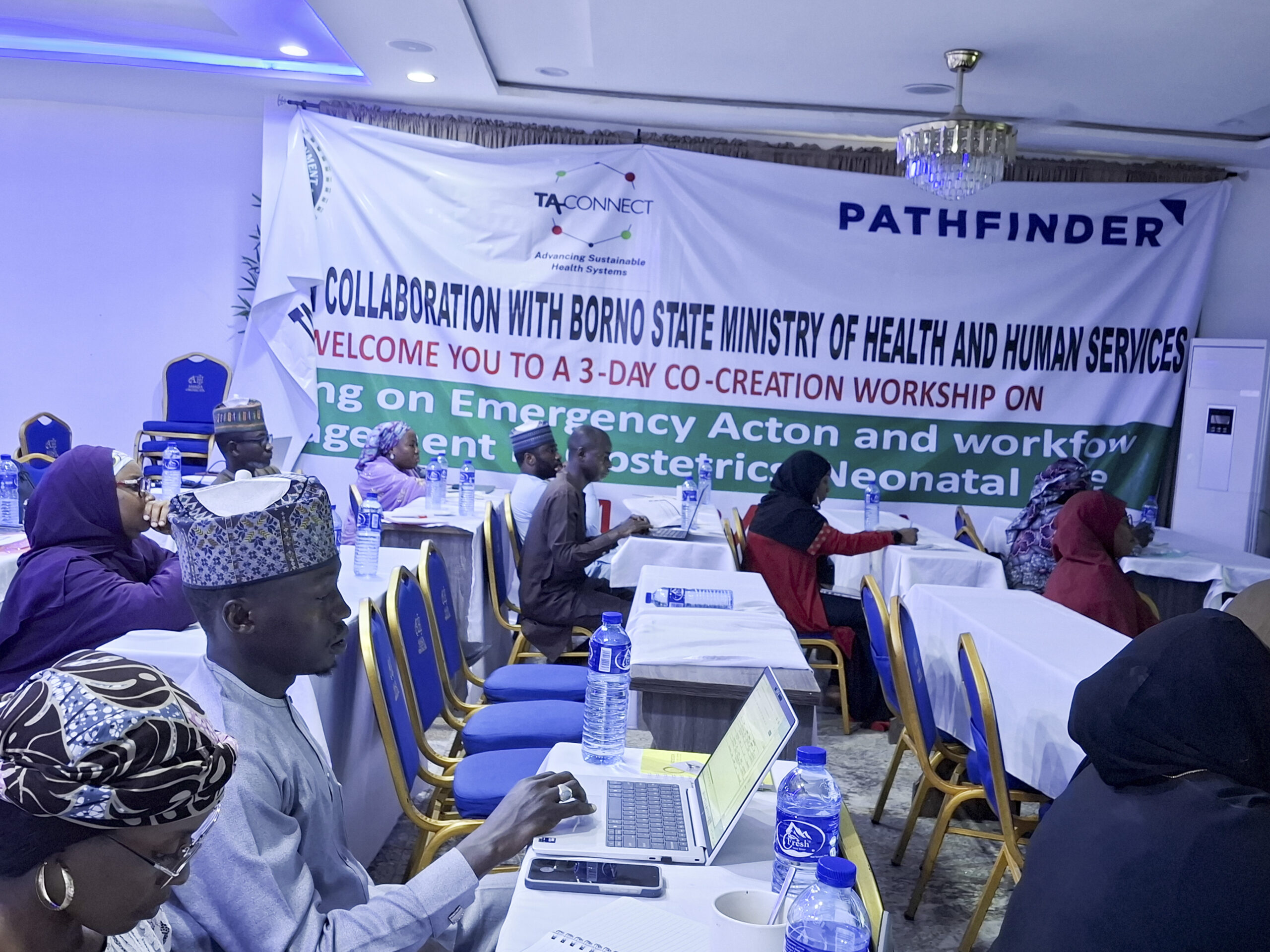
TAConnect has successfully facilitated the transition of the Gates Foundation-supported “Accelerating Expanded Adoption of MNCHN Innovations and Health Reform” project into the Training for Emergency Action, Management, and Workflows in Obstetrics and Neonatal Care (TEAM OB/NEO) initiative across Kano and Yobe States, marking a significant milestone in efforts to institutionalize and sustain maternal and newborn health innovations within government health systems.
The transition process, undertaken in collaboration with the Africa Center of Excellence for Population Health and Policy (ACEPHAP) Consortium, state governments, and implementing partners, represents a strategic shift from innovation adoption towards a more integrated and sustainable maternal and newborn health delivery model designed to reduce maternal and neonatal morbidity and mortality.
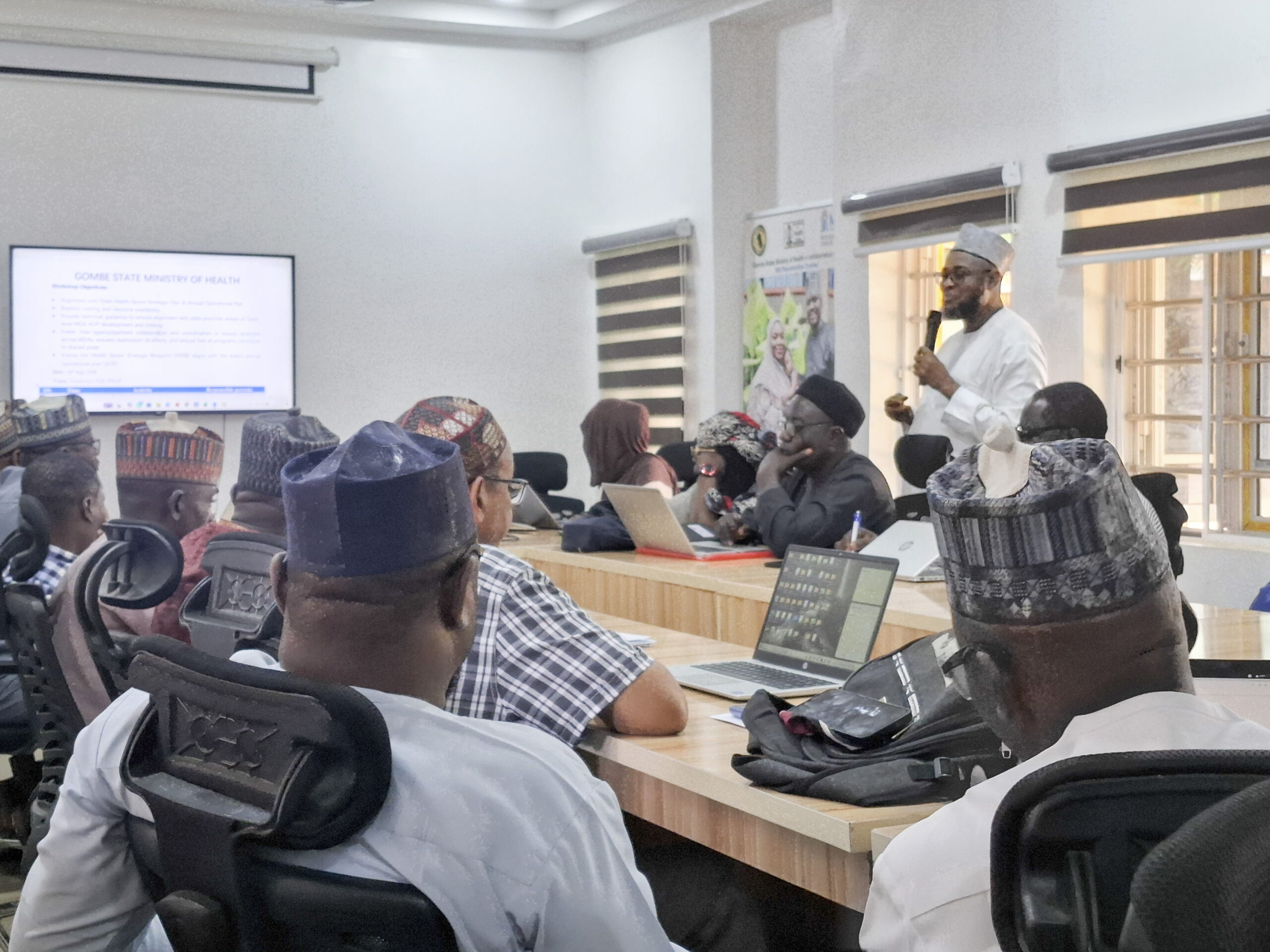
In Yobe State, stakeholders gathered at the Emergency Operations Centre (EOC) in Damaturu on 14 May 2026 to formally launch the transition process. The meeting brought together senior government officials, development partners, and technical stakeholders, including representatives of the Ministry of Health and Human Services, family health and community health departments, TAConnect, ACEPHAP, and implementing partners. Discussions focused on sustaining the gains achieved under the Gates Foundation-supported project and embedding successful innovations within government structures for long-term impact.
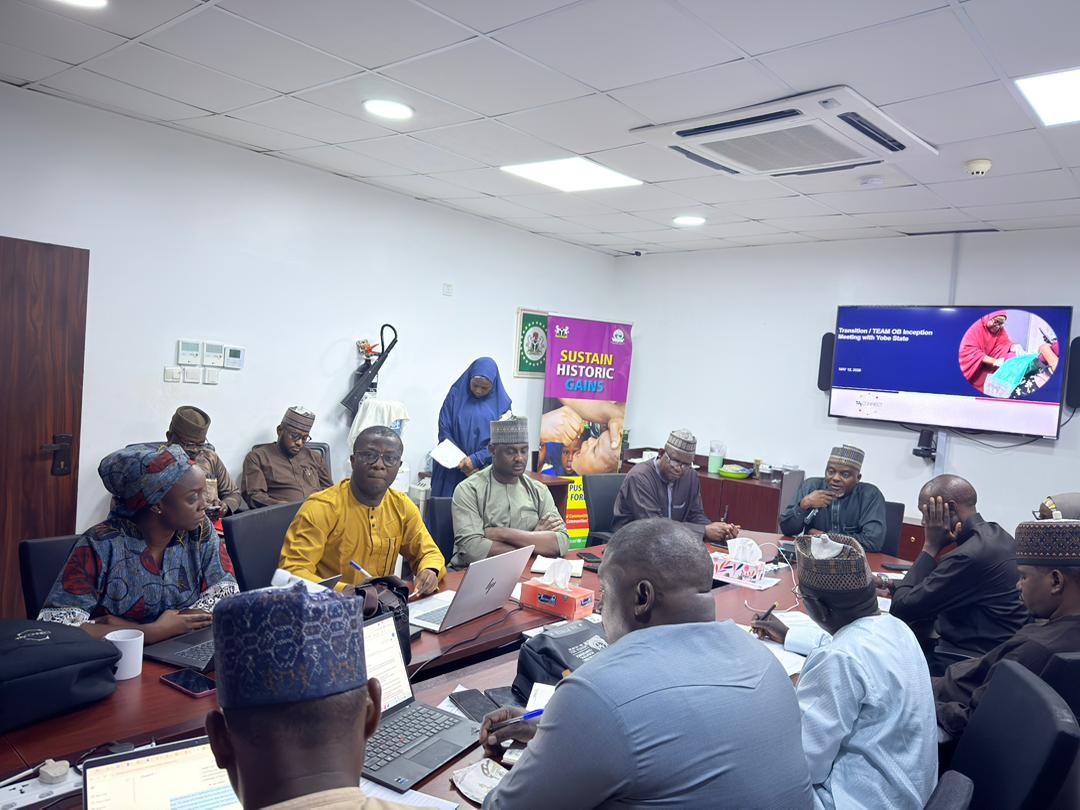
Speaking during the engagement, TAConnect’s Programme Manager, Mr. Adetosoye Adebanjo, described the transition as a deliberate move from project-based implementation to a government-led approach that prioritizes sustainability, local ownership, and systems strengthening. ACEPHAP introduced stakeholders to the TEAM OB/NEO model, highlighting its integrated approach to maternal and newborn care, where both mother and baby are treated as a single clinical unit through strengthened emergency response systems, provider capacity building, standardized clinical workflows, mentorship, and facility readiness.
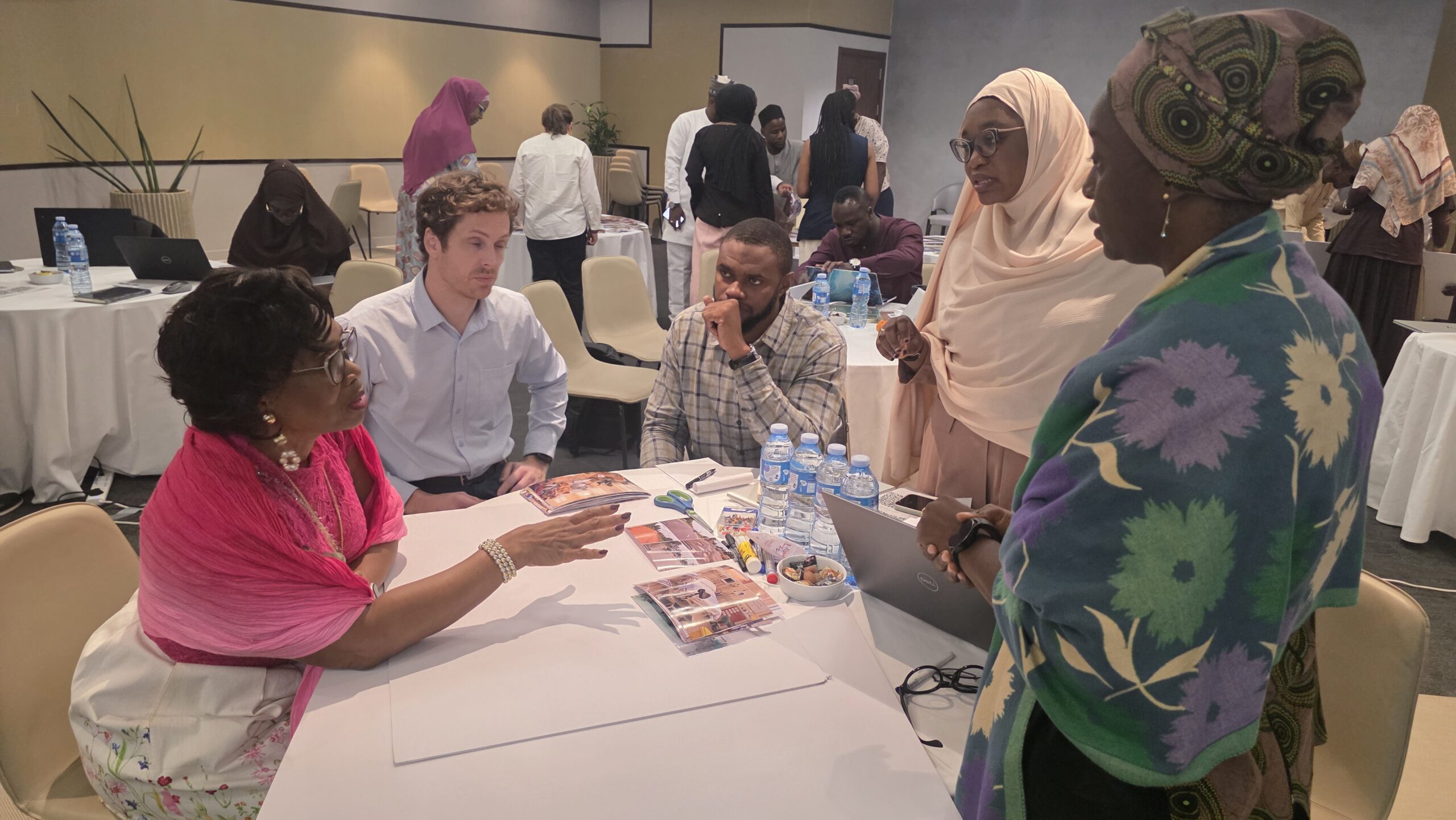
A few days later, TAConnect joined Kano State stakeholders for a similar transition meeting held at the EOC Conference Hall in Kano. The engagement brought together representatives of the Kano State Ministry of Health, State Primary Health Care Management Board (SPHCMB), ACEPHAP Consortium, WCA Health, and the TAConnect Consortium to align on the implementation of TEAM OB/NEO and the transition of ongoing maternal and newborn health interventions.
The Director General of the Kano State Primary Health Care Management Board, Prof. Salisu Ahmed Ibrahim, commended TAConnect and its partners for their contributions to strengthening healthcare delivery across primary and secondary healthcare facilities in the state. He expressed confidence that the achievements recorded under the current programme would be sustained and expanded through the TEAM OB/NEO initiative.
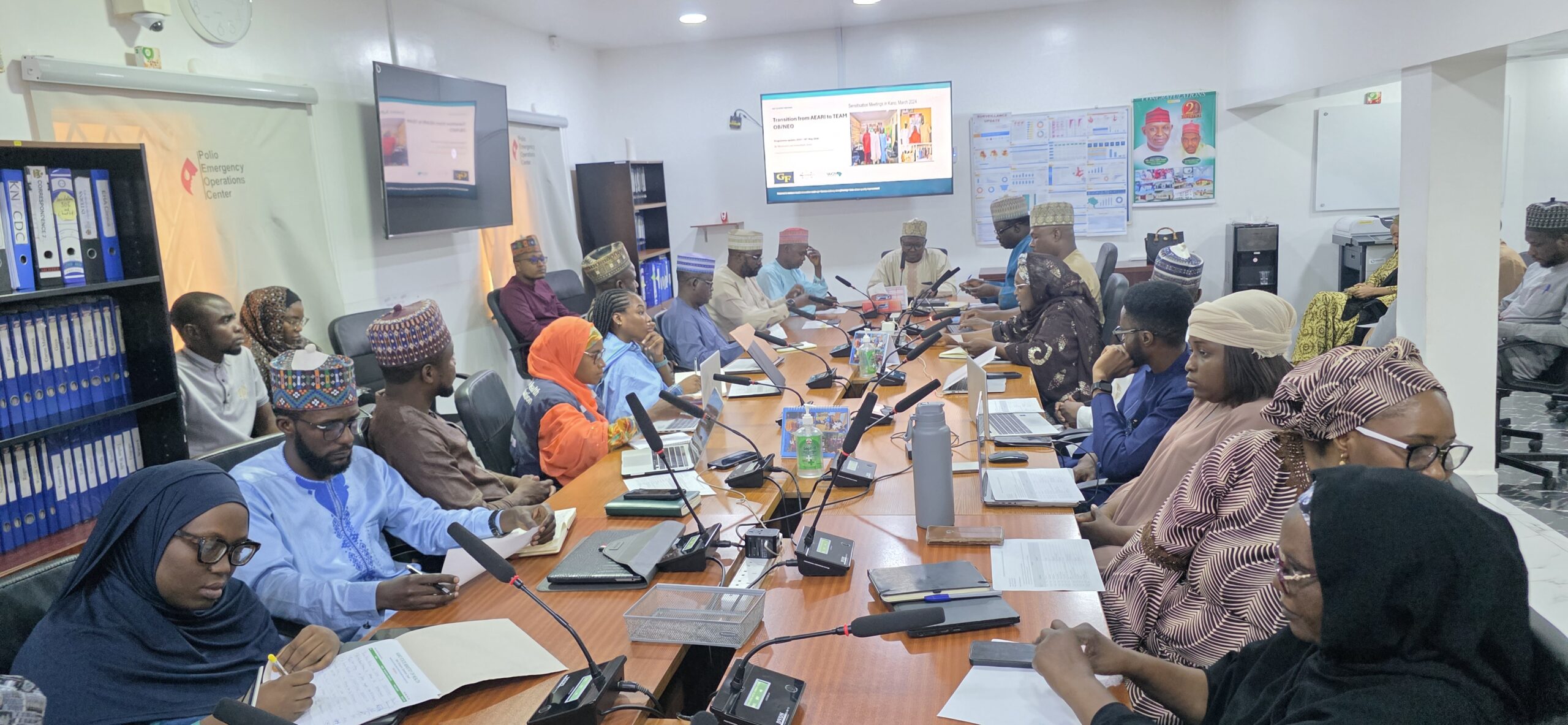
During the meeting, WCA Health, representing the TAConnect Consortium, presented a comprehensive overview of programme achievements, lessons learned, and implementation challenges from the inception of the project. ACEPHAP further outlined the rationale, implementation requirements, and expected outcomes of TEAM OB/NEO, while seeking continued government support for successful rollout and scale-up.
Representing TAConnect, Mrs. Abosede Asabazele expressed appreciation to the Kano State Government for its unwavering support throughout the implementation of the grant, noting that the enabling environment created by the state contributed significantly to the programme’s successes.
Beyond stakeholder engagement, the TAConnect team also conducted asset verification exercises and held technical discussions with implementing partners to ensure a smooth and accountable transition process. Key actions agreed upon included the submission of comprehensive handover reports, sharing of healthcare worker training databases, documentation of implementation lessons and challenges, development of detailed implementation plans, and establishment of state-level coordination mechanisms to support TEAM OB/NEO rollout.
Across both states, stakeholders reaffirmed their commitment to sustaining maternal and newborn health gains through stronger government ownership, improved coordination, and the institutionalization of proven innovations. The transition to TEAM OB/NEO reflects a shared vision among government, donors, and implementing partners to strengthen health systems and ensure that women and newborns continue to receive high-quality, life-saving care long after project funding has ended.