Sustainable maternal and newborn survival outcomes depend on strong commodity security systems that are data-driven, financially viable, and institutionally embedded within state health structures. It was against this backdrop that TAConnect convened a high-level Stakeholders Meeting on Maternal and Newborn Health Commodity Security from February 10–11, 2026, in Abuja, bringing together key partners and stakeholders across seven states to strengthen coordination, financing, and accountability.
The engagement brought together representatives from the Gates Foundation, TAConnect, Clinton Health Access Initiative (CHAI), AXMED, Pathfinder International, Centre for Integrated Health Programs (CIHP), Jhpiego, Field, Hospitals Management Board, State Ministries of Health, State Primary Health Care Management Boards, Drug Management Agencies, and Logistics Management Coordinating Units from Kaduna, Bauchi, Gombe, Kano, Yobe, Borno, and Lagos States.
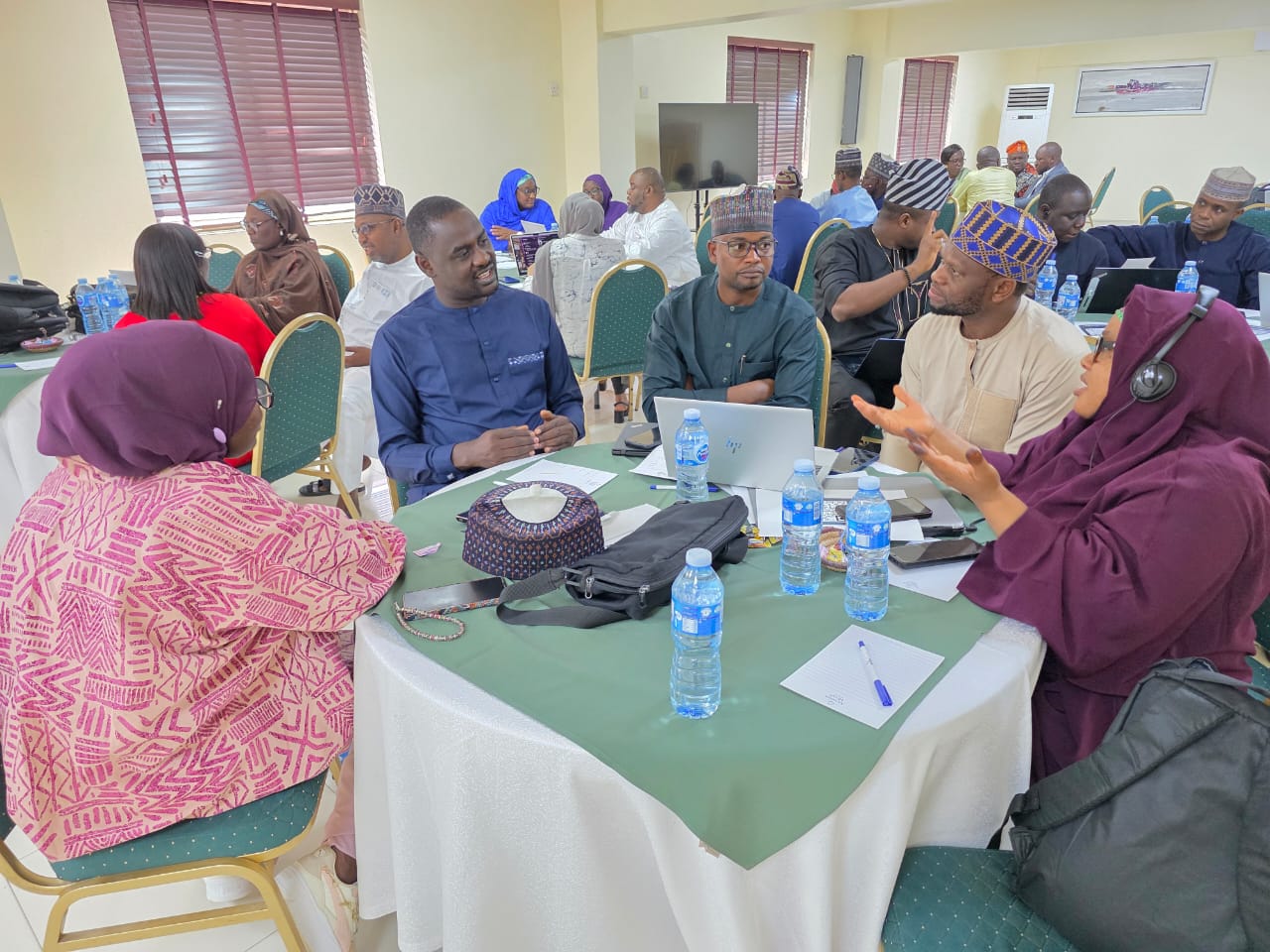
Over two days, participants reviewed the status of priority MNH commodities within state supply chains. They conducted a detailed six-month quantification and gap analysis of essential MNH commodities, including oxytocin, misoprostol, tranexamic acid, heat-stable carbetocin, and calibrated drapes. The exercise strengthened visibility into stock levels, identified supply gaps, and highlighted inconsistencies between reported data and facility-level realities, underscoring the need for improved documentation and reporting systems.
Deliberations also interrogated operational bottlenecks affecting the Drug Revolving Fund functionality and last-mile distribution systems. States examined financing pathways to ensure sustainability beyond catalytic seed stock, including integration with state budget lines, health insurance mechanisms, Basic Health Care Provision Fund allocations, and matching fund interventions. Discussions further clarified institutional roles, reinforced accountability mechanisms, and defined a coordinated roadmap for procurement, distribution, and commodity tracking.

The significance of this convening lies in its transition from periodic review to structured system strengthening. States departed with clearer quantification data, stronger alignment on diversified financing strategies, and renewed commitment to institutionalizing MNH commodity security within their health systems. By strengthening supply chain governance and financing coordination, the meeting advanced service readiness at the primary healthcare level and reinforced a shared objective: uninterrupted access to lifesaving MNH commodities for mothers and newborns at the last mile across supported states.