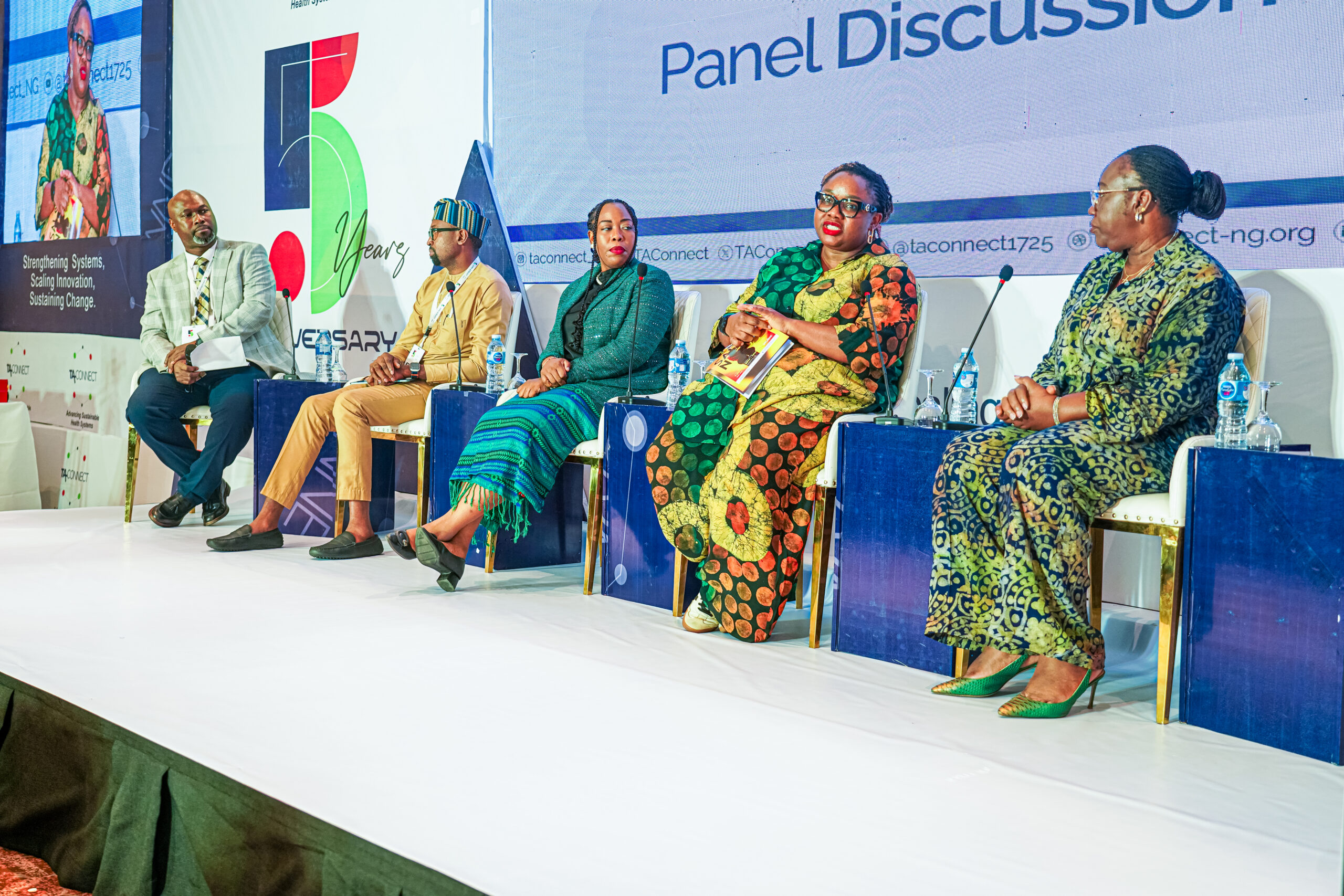
As external resources tighten and Nigeria’s sector-wide reforms take hold, the anniversary panel offered an unusually candid blueprint for how governments, donors, local institutions and communities must now work together.
Anniversaries in the development sector tend to follow a familiar script: achievements are recited, partners are thanked, and everyone returns to business as usual. What happened when Technical Advice Connect (TAConnect) marked its fifth anniversary on July 1, 2026, was something different. Between the tributes, a strikingly honest conversation broke out among government, global health organizations, the private sector and civil society, about a question the entire sector has been circling but rarely confronts directly: now that the era of abundant external financing is over, what must partnership look like?
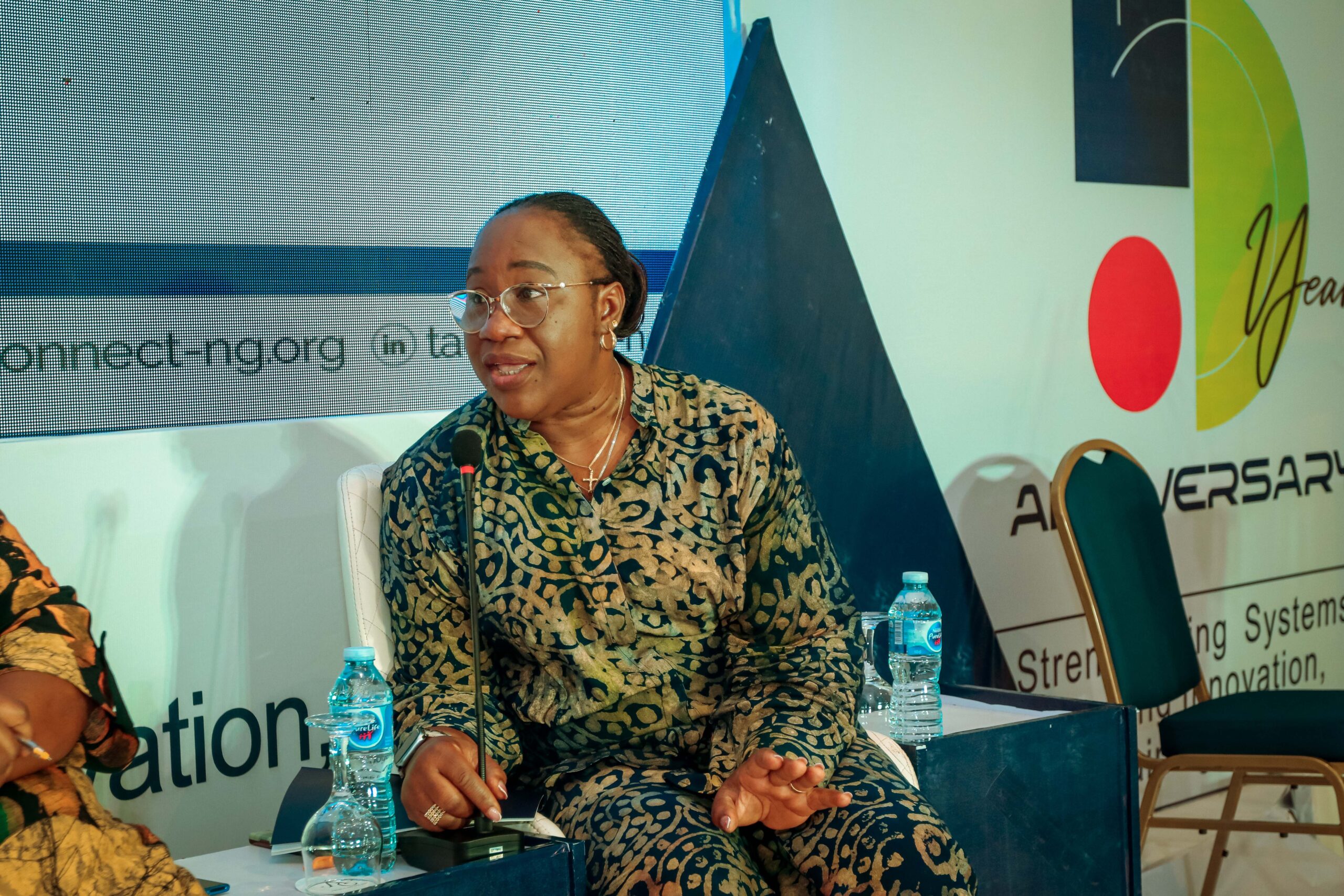
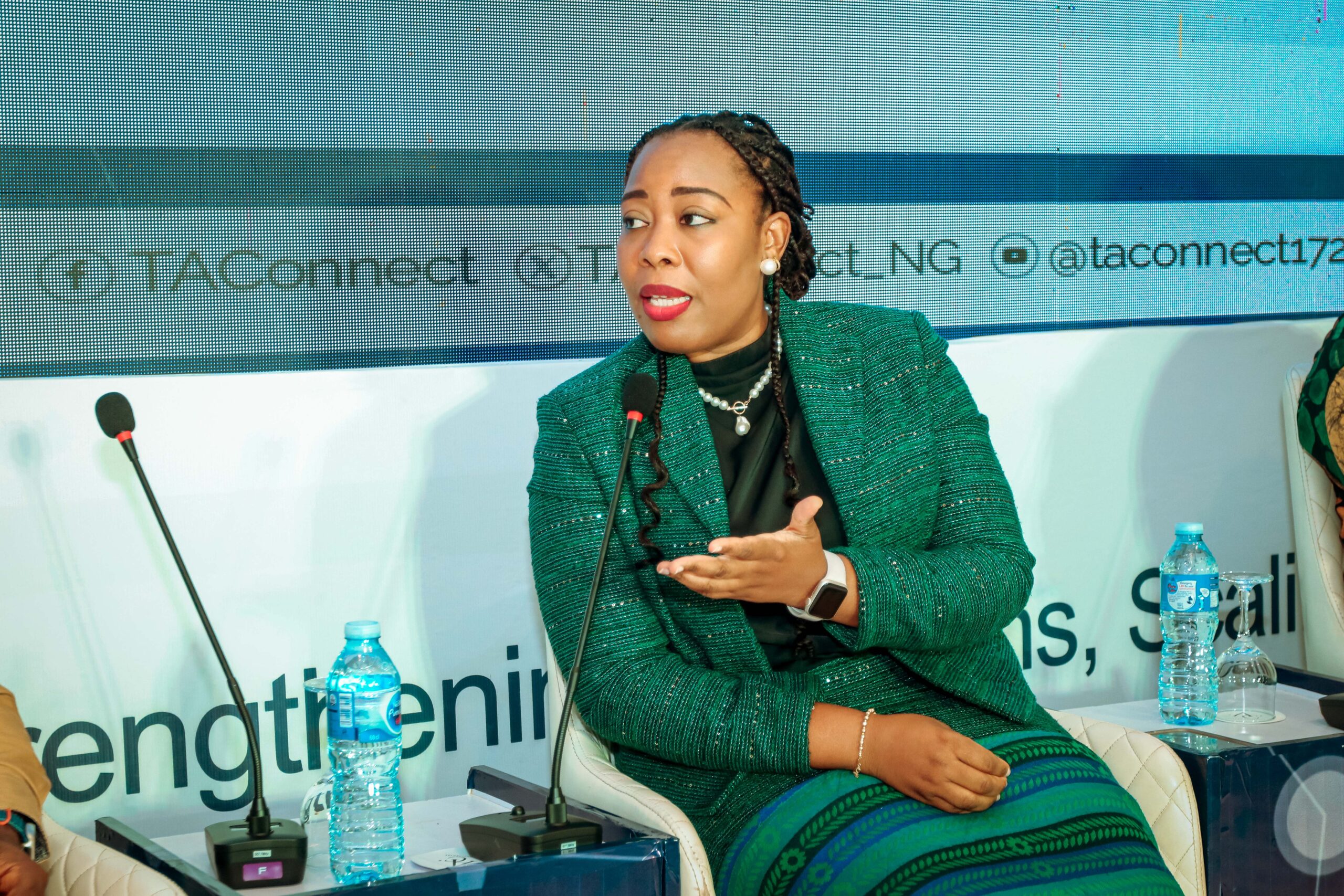
The occasion invited candour. TAConnect’s own story is itself a case study in the localization agenda the sector professes. Incubated by DAI with catalytic support from the Gates Foundation, this indigenous Nigerian institution has, in five years, scaled Group Antenatal Care to more than a million pregnant women, the largest such implementation globally, and institutionalized the E-MOTIVE bundle against postpartum haemorrhage.The panel convened at its anniversary treated that story not as a triumph to be applauded but as evidence to be interrogated. Moderated by Dr. Ufuoma Festus Omo-Obi, Chief Executive Officer of West Africa Health Options LTD/GTE, it drew together Dr. Anne Adah Ogoh, Director of Policy and Programs at the Private Sector Health Alliance of Nigeria (PSHAN); Dr. Olufunke Fasawe, Country Director of the Clinton Health Access Initiative (CHAI); Chibuike Alaboso, representing Ms. Vivianne Ihekweazu, Managing Director of Nigeria Health Watch; and Dr. Hyeladzira Garnvwa-Pam, representing Dr. Muntaqa Umar-Sadiq, Coordinator of the federal Sector-Wide Approach (SWAp) Coordination Office. Five arguments emerged that deserve a wider audience.

- Partnership is no longer optional; it is survival
The panel’s starting point was unsentimental. A transformed resource mobilization landscape, marked by shrinking official development assistance, redirected donor priorities and competing global crises, has ended the luxury of fragmented, duplicative programming. As CHAI’s Dr. Fasawe put it, partnerships are no longer optional; they are essential to surviving. The corollary is discipline: actors that once competed for the same funding envelope must now jointly define shared values, a common north star, and clear divisions of labour, extracting maximum health value from every naira mobilized. Nigeria’s SWAp architecture of one plan, one budget, one reporting platform and one conversation provides the scaffolding; what it demands of partners is the humility to align rather than brand.
- Localization must be a managed transition, not a pendulum swing
The localization debate often oscillates between two caricatures: perpetual dependence on international organizations, or their abrupt exit in favour of local actors regardless of readiness. The panel rejected both. The institutional knowledge accumulated by international organizations over decades is a sector asset that should be transferred, not discarded; the appropriate model is a deliberate sunsetting of global structures over time, as strong indigenous partners take genuine ownership. TAConnect’s own trajectory, incubated within an international firm and then registered, governed and led as a fully Nigerian entity operating across nineteen states, demonstrates what that managed handover can produce: an institution that donors trust with fiduciary responsibility and that states trust with their priorities.
- The exit strategy belongs at the beginning, not the end
Perhaps the sharpest discipline proposed came from PSHAN’s Dr. Adah Ogoh: before a partnership is formed, its exit strategy must be clear. Projects run for a period, not a lifetime, so the question of who inherits the work should shape design from day one. That means defining, at inception, which government structure will absorb an intervention, which budget line will finance it, and which local institutions will sustain its quality. It is a quiet indictment of decades of practice in which sustainability plans were written in a project’s final year, and a validation of approaches, like embedding technical assistance within state systems, that make the state, not the project, the unit of change.

- Accountability is an action word, and it must reach communities
Nigeria has built an increasingly muscular accountability architecture around its Health Sector Renewal Investment Initiative: A Health Accountability Compact signed in December 2023 by the President, all thirty-six governors and the FCT, and international partners, extended by 2025 to embrace local governments, the private sector and traditional leaders; quarterly performance dialogues that put federal, state and partner scorecards on public display; and joint annual reviews. But the panel insisted the architecture remains incomplete if communities sit outside it. Nigeria Health Watch’s challenge, delivered by Chibuike Alaboso, was pointed: community-based organizations cannot be invited to coordination meetings as observers while their realities are discussed around them. Communities hold lived experience and, frequently, working solutions, and supporting community-grown interventions to scale is itself an exit strategy. Partnership with dignity means communities contributing, not merely receiving; where no seat is offered, local organizations were advised to create one.

- Transparency is the currency of the trust dividend
The most consequential announcement of the day came from the SWAp Coordination Office, delivered by Dr. Garnvwa-Pam: within twelve months, Nigeria intends to stand up a government-led technical assistance pool, explicitly modelled on the approach the Gates Foundation and TAConnect pioneered, in which states define their needs, local partners deliver, and efficiency is measured in the best value of the naira rather than the best value of the dollar. For that model to work at national scale, the panel argued, partners must embrace a new openness with one another: transparency on personnel costs, administrative costs, and the true cost of doing business, because alignment is impossible among actors who conceal their economics. This is the trust dividend the anniversary keynote described: the value unlocked when a trusted fiduciary bridge gives donors confidence against leakage while giving local actors access and the dignity of leading their own interventions.
The road ahead
None of these arguments is comfortable. Together they ask international organizations to plan their own obsolescence, local institutions to accept forensic scrutiny, governments to publish their scorecards, and every actor to open its books. But the alternative, defending fragmented models built for a financing era that has ended, serves no one, least of all the women and children whose outcomes are the sector’s only meaningful currency.
Dr. Omo-Obi closed by distilling the conversation into four words: data, accountability, communication, and community voices. To these, might be added a fifth, drawn from the day itself: dignity, for the states that lead, the local institutions that deliver, and the communities that were never meant to be an audience for their own story. Five years ago, TAConnect was an untested idea about how technical assistance could serve states better. Its anniversary suggested the idea has outgrown the institution: it is becoming a national policy. The next five years will test whether the sector can rise to it.