In August, the Reproductive, Maternal, Newborn, Child and Adolescent Health (RMNCAH) unit of the Transforming Health and Resilience for Individuals Through Vibrant Empowerment (THRIVE) Project, led by the TAConnect team in collaboration with the Prevention of Mother-to-Child Transmission (PMTCT) unit, intensified efforts to close the enrollment gap affecting more than 1,098 HIV-exposed infants born to women living with HIV during the 2025/2026 financial year through an enrollment drive organized in the South-South region (Akwa Ibom, Cross River and Bayelsa).
The enrollment drive aimed at ensuring that these infants receive the follow-up, care, support and monitoring they need from Community Care Workers (CCWs). Through regular engagement with mothers and caregivers, the initiative strives to prevent mother-to-child transmission of HIV while promoting the health and well-being of infants.
Support at the household level covered several critical areas of infant care. CCWs promoted exclusive breastfeeding, encouraged timely routine immunisation, supported access to Dried Blood Spot (DBS) testing, and helped identify sick children for early referral to the nearest health facility. They also followed up with mothers and encouraged adherence to prescribed medications, ensuring the continuum of care beyond the health facility. The enrollment drive also paid attention to the needs of vulnerable households. As part of the process, identified households received mama kits containing essential items to support maternal and newborn care.
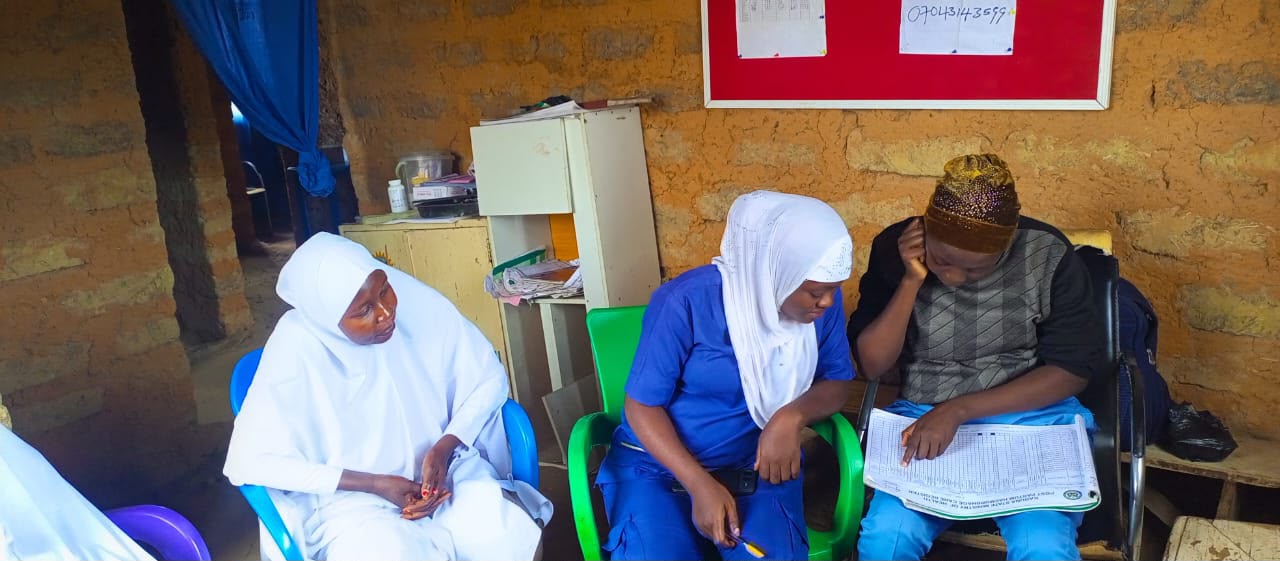
Within the period under review, the planning and implementation of MNCH week was conducted, with several beneficiaries reached with Vitamin A, immunization, Multiple Micronutrient Supplementation and deworming tablets in Lagos. In addition, as part of routine technical assistance, the CCWs and Civil Society Organisations were mentored on how to generate demand for MNCH services during household visits and ensure referral of possible cases to facilities for required care, including ANC referrals, MMS, fever, diarrhea, among others. They were also guided on how to document such services and report it accordingly.
By combining enrollment, household follow-up, community support, and targeted assistance to vulnerable families, the initiative is contributing to closing critical gaps in the care of HIV-exposed infants, children, and adolescents living with HIV, and strengthening the continuum of care for project target beneficiaries.