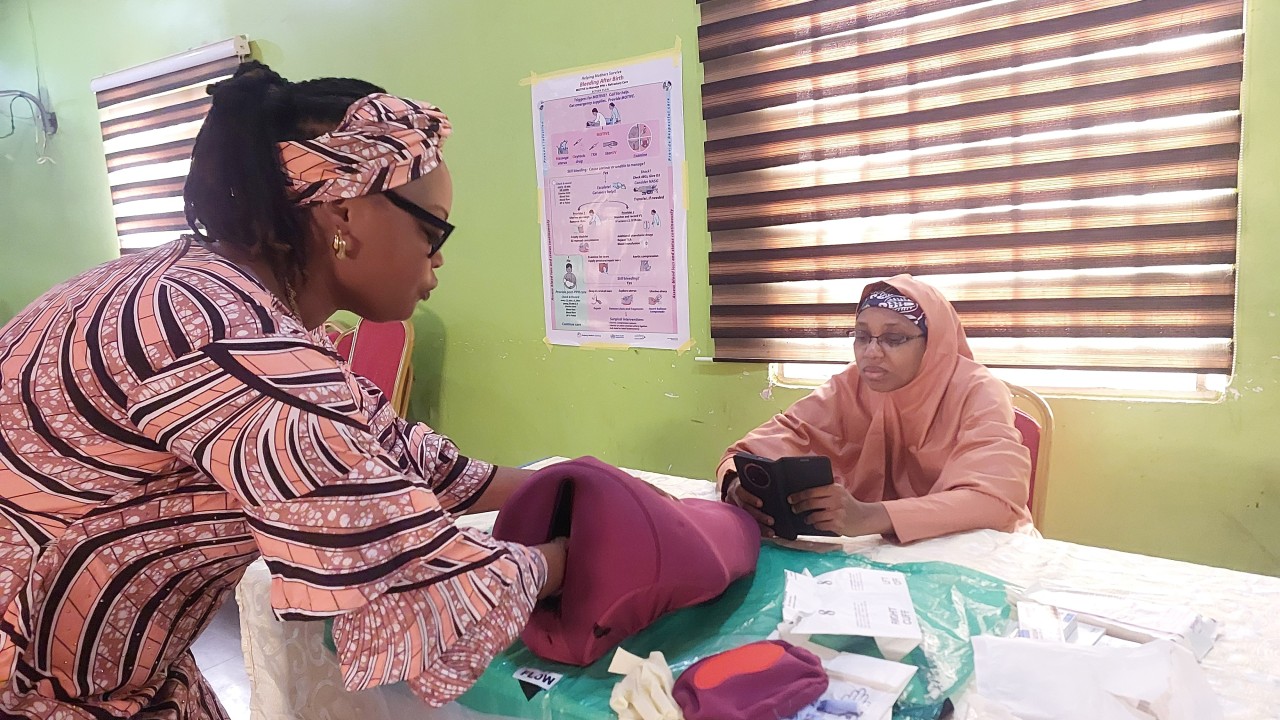
“She died… and I still think of her face.”
For Olushola Florence Adeosun, a nurse-midwife with over two decades of experience, the memory of a woman who bled to death under her care remains a painful reminder of what used to be missing: the right knowledge, the right tools, and the confidence to act fast.
“Honestly speaking, that woman died,” she recalled. “I did what I could. But back then, I didn’t even know we could repeat tranexamic acid, or that oxytocin could be administered again. We didn’t escalate on time. The only thing I did right was use an anti-shock garment.”
Today, things are different.
“Now, with this PPH training, I’m ready,” she said. “I won’t lose another woman like that again.”
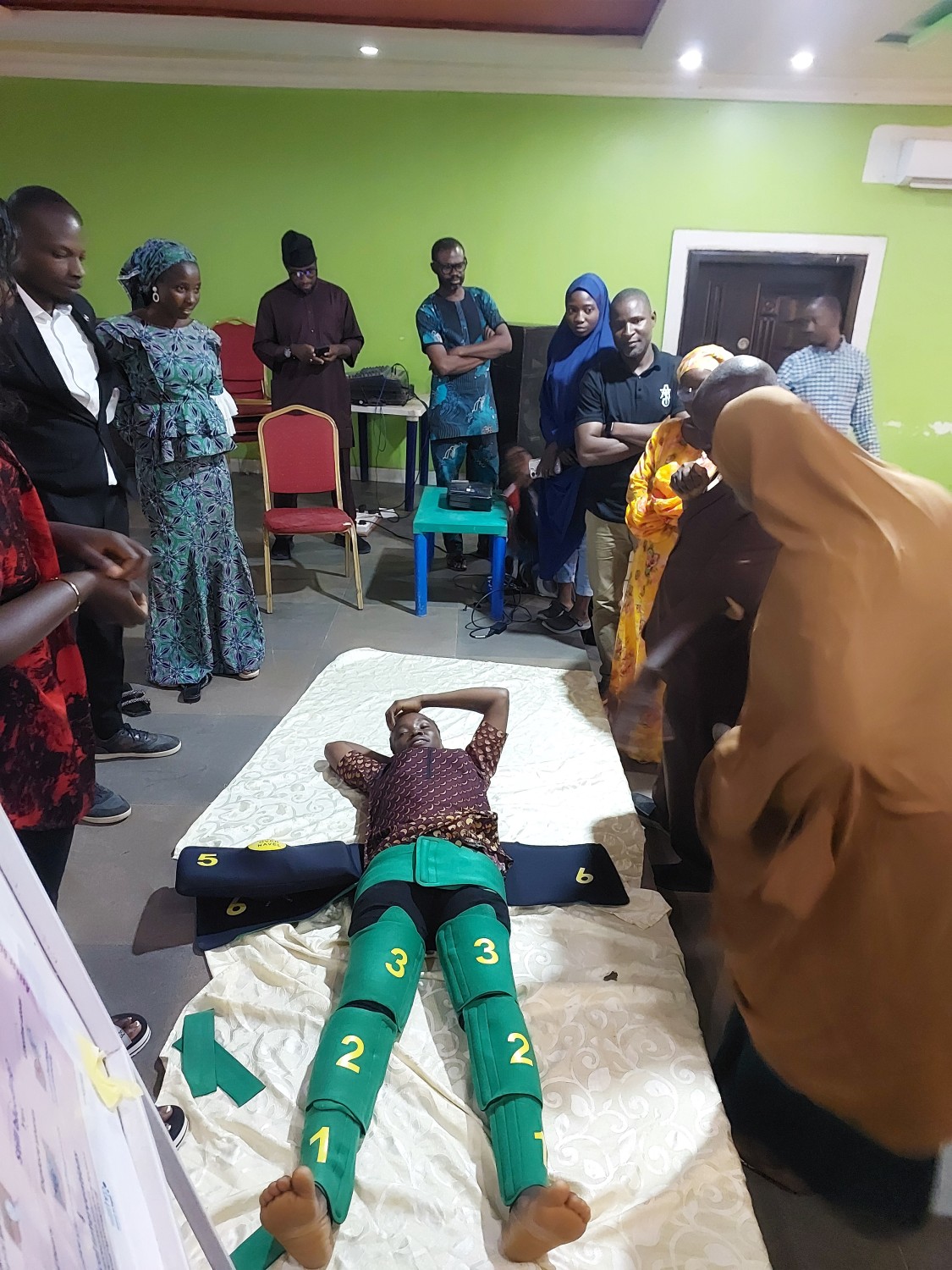
Postpartum haemorrhage (PPH) remains the leading cause of maternal mortality in Nigeria. In Kaduna State, where maternal deaths remain high, health workers are now being trained to respond faster and more effectively using the WHO-recommended E-MOTIVE bundle—a structured, evidence-based set of interventions for early detection and management of PPH.
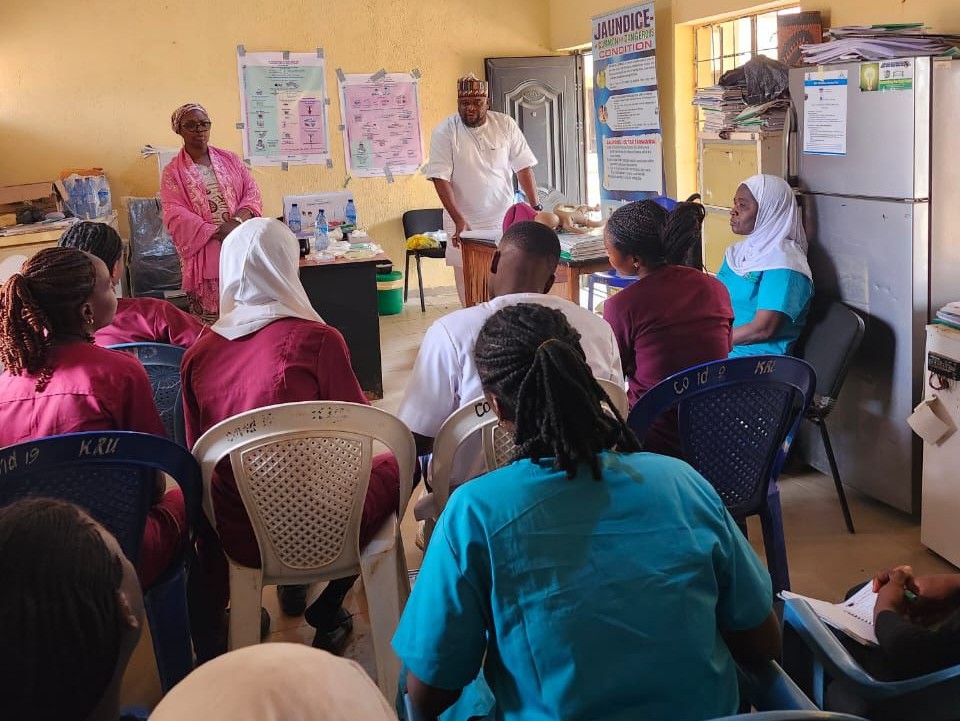
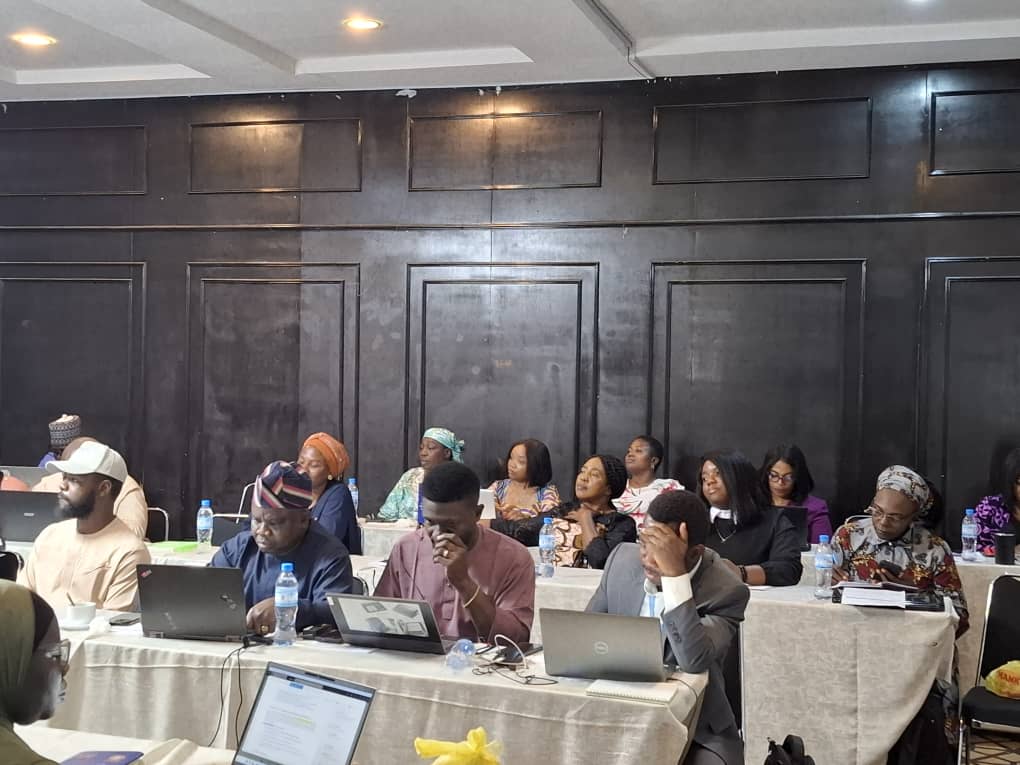
Under the Accelerating Expanded Adoption of RMNCHN Innovations and Health Reforms Project, TAConnect supported the Kaduna State Ministry of Health to conduct a 3-day cascade training focused on this life-saving approach. The training reached 45 healthcare workers across 15 secondary health facilities, enhancing their skills in using calibrated drapes to assess blood loss, administering bundle medications like oxytocin and tranexamic acid, and applying anti-shock garments, among others.
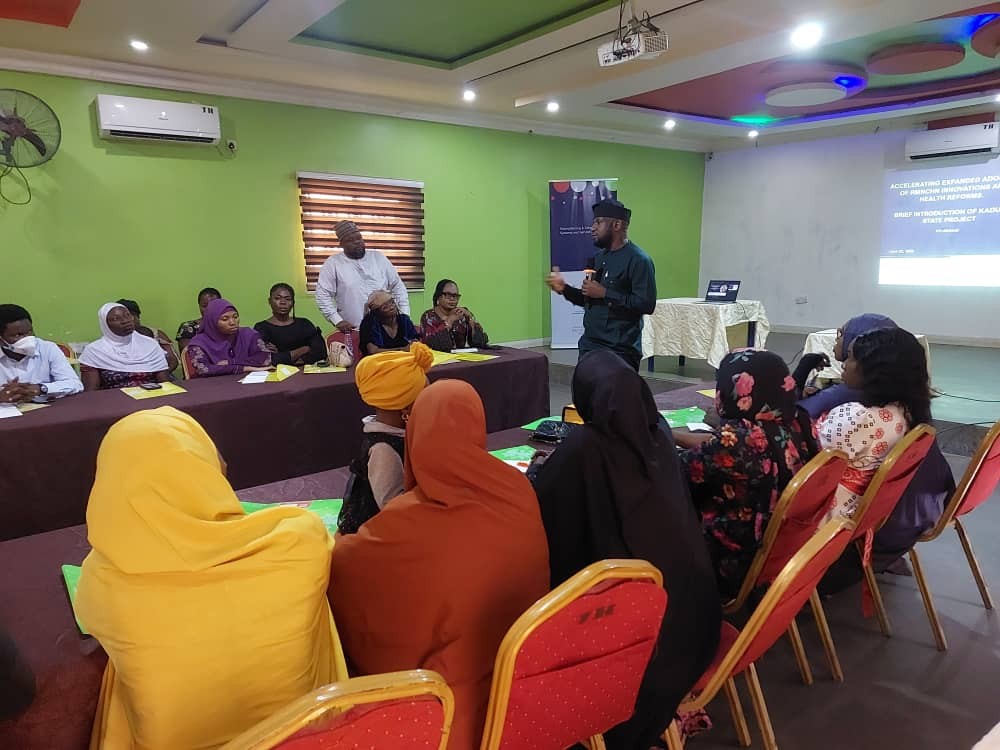
According to Dr. Sunday Joseph, Director of Health Planning, Research, and Statistics at the Kaduna State Ministry of Health, the training aligns with the state’s broader priorities to reduce maternal mortality and strengthen emergency obstetric care.
“PPH is one of the leading causes of maternal deaths in Kaduna State. With our state ranked fourth in maternal mortality nationally, we recognize the urgent need to implement high-impact, evidence-based interventions,” he said.
He emphasized that the initiative supports the state’s Health Sector Strategy, the Sector-Wide Approach (SWAp), and the Maternal and Newborn Reduction Innovation Initiative (MAMII), adding: “We coordinated stakeholder engagement, selected the facilities and participants, and ensured each of the 15 supported secondary health facilities was represented. We are actively following up on the cascade.”
Dr. Jessica Ango, TAConnect’s Technical manager, said the goal of the cascade training was clear: to improve the knowledge and hands-on capacity of skilled birth attendants using the E-MOTIVE approach.
“The main reason for conducting this training is to improve the knowledge and skills of health care workers particularly skilled birth attendants in secondary health facilities in Kaduna state on updated evidence-based techniques to prevent, detect early and treat PPH which is one of the commonest causes of maternal deaths in Nigeria.”
By the end of the training, participants could competently describe the conduct of active management of the third stage of labour, estimation of blood loss with calibrated drapes, administration of bundle interventions, and know when to escalate care when needed.
“Seeing healthcare workers’ commitment and enthusiasm to improve their skills, and their willingness to step down the training to their colleagues is one of the most impactful parts of this work,” Dr. Ango noted.
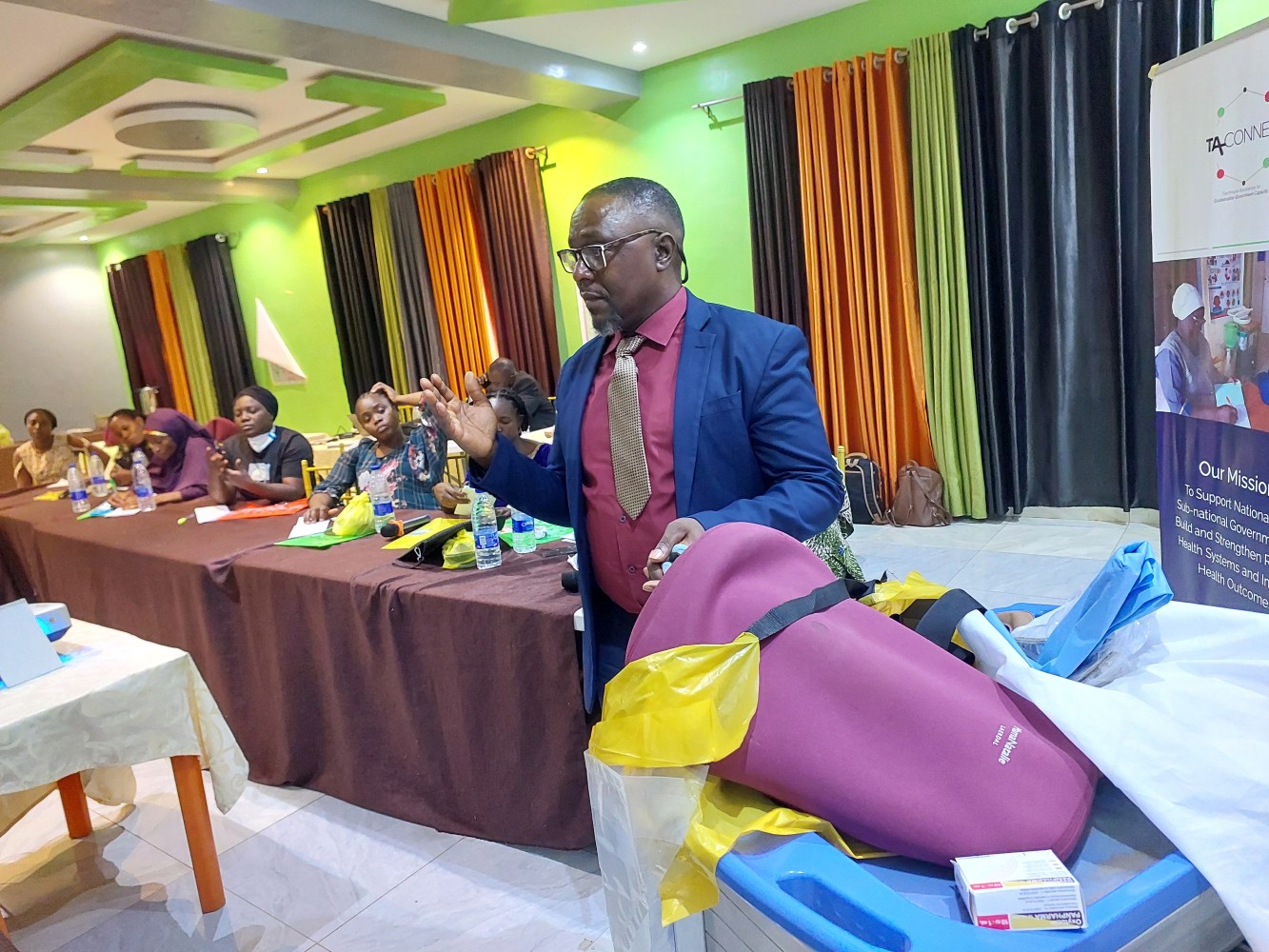
Dr. Joel Aze, the lead facilitator, explained that the sessions went beyond theory.
“We ensured the participants could replicate what they’ve learned in real-time scenarios at their health facilities,” he said.
Before the training, many health workers were uncertain about when and how to escalate care or assess blood loss objectively. Through case-based simulations and hands-on practice, their confidence grew.
“The transformation was clear,” Dr. Aze added. “They now understand what to do, when to do it, and how to do it systematically.”
Facilities now have PPH kits, clearer protocols, and access to job aids. A participant noted: “We now know how to estimate blood loss using calibrated drapes. We don’t wait for signs of shock anymore before acting. Before, we panicked. Now, we’re systematic.”
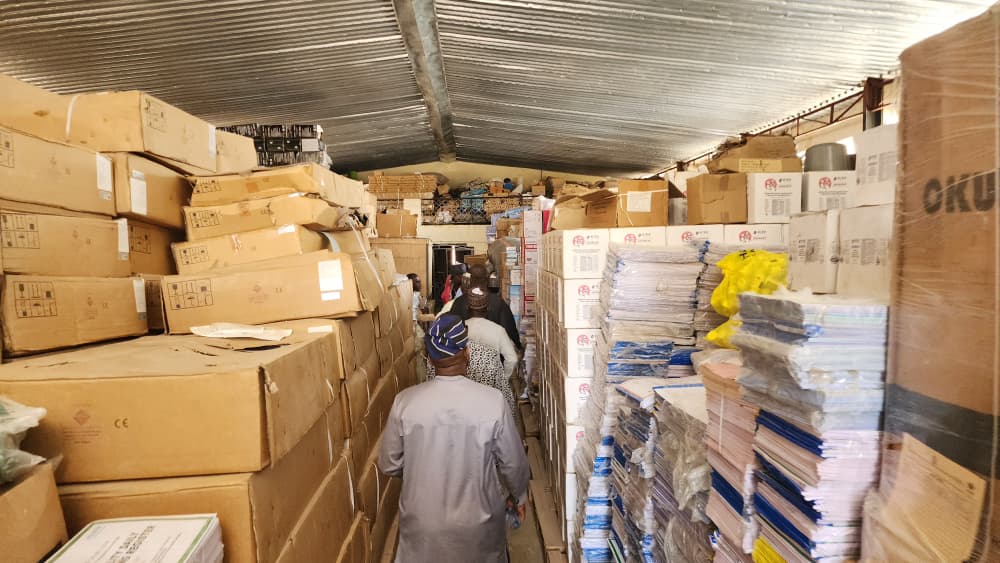
To sustain momentum, the E-MOTIVE approach is being integrated into Kaduna’s existing systems. This includes on-the-job mentorships, deployment of training manuals and job aids, and collaboration with the Drug Management Agency to ensure availability of critical PPH commodities.
Dr. Ango affirmed TAConnect’s role as a supportive technical partner: “The entire process though supported by TAConnect is anchored by the state government, all trainers at state level are within the state and would support in providing mentorship to the health facilities. In addition, training material have been deployed to the health facilities to ensure continued learning at the health facilities.”
Dr. Sunday expressed gratitude to partners and donors: “We deeply appreciate the unwavering support from our partners and donors. Your collaboration has enabled us to translate global evidence into local action. Together, we are saving lives and building a resilient health system that prioritizes the safety and dignity of mothers.”
Interactive learning is in progress as participants engage in simulation exercises at various stations during the PPH training
For Florence, the training represents a new chapter.
“Before now, if you asked me what to do in a case of PPH, I’d hesitate,” she said. “Now, I’ll act. I know how much blood loss is too much. I know when to escalate. I know how to save her.”
For the next woman who walks through her door, that knowledge may be the difference between life and death.