The training room at General Hospital Nguru had barely gone quiet for a short break when an urgent call shattered the pause. A woman had just arrived at the maternity unit in critical condition, bleeding heavily and slipping into shock. For the midwives on duty, it was no longer a simulation or a case study, this was a real emergency, and the skills they had just learned would be tested within minutes.
The emergency unfolded during an ongoing e-MOTIVE postpartum haemorrhage (PPH) training at the General Hospital Nguru in Yobe State. The training was part of TAConnect’s broader support to the Yobe State health system, aimed at strengthening the capacity of frontline health workers to prevent maternal deaths through hands-on skill-building, practical mentorship, and the rapid application of WHO-recommended PPH prevention and management interventions.
Hafsat Talba Kachallah, a registered midwife working in the hospital’s maternity unit, had just stepped out of the session when a colleague called her urgently. A woman who had recently delivered at home and was bleeding had arrived in critical condition, showing clear signs of hypovolemic shock. Her blood pressure had dropped to 90/60 mmHg, and her pulse rate had climbed to 120 beats per minute, clear indicators of rapid blood loss requiring immediate intervention.
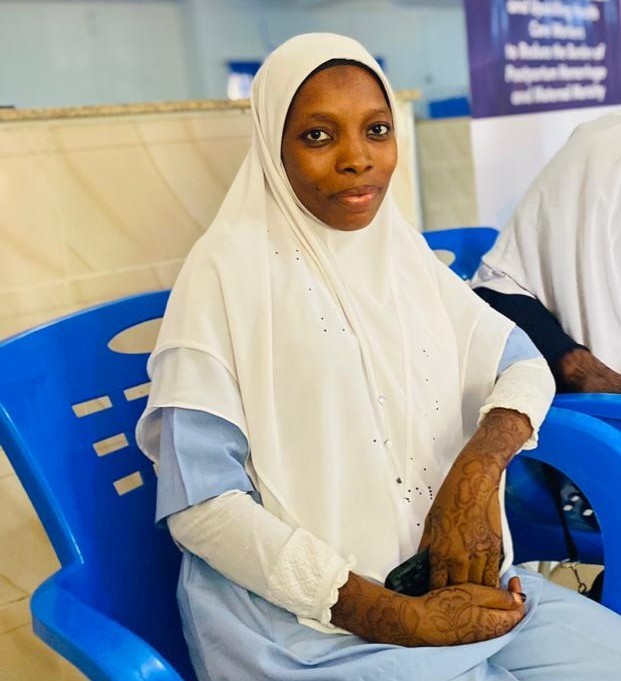
Without hesitation, Hafsat sprang into action. Guided by the e-MOTIVE approach she had just learned, she and her colleague moved quickly and systematically to stabilize the woman. “Immediately, we started the bundle of care,” Hafsat recalled. “We put 10 IU of oxytocin in 500 ml of normal saline and rushed it in, gave 1 g of tranexamic acid slowly over 10 minutes, and set a maintenance dose of 20 IU of oxytocin in one litre.” With the medicines running, she assessed the uterus, confirmed it was contracted, checked the bladder, and proceeded to examine the birth canal. It didn’t take long to identify the cause of the bleeding, a perineal tear. Once repaired, the bleeding stopped.
For Hafsat, the moment was both relieving and affirming. Before the training, cases like this often-caused panic, and the team relied heavily on waiting for a doctor to arrive and give instructions. “Before, when we saw a bleeding case, we would shout for help,” she said. “Now, we are confident. We can manage PPH independently until it is beyond our scope.”
This shift in confidence and competence lies at the heart of TAConnect’s investment in improving maternal health outcomes across Yobe State, with funding support from the Gates Foundation. By equipping frontline health workers with the e-MOTIVE , an evidence-based, bundled approach to PPH management, TAConnect is strengthening healthcare systems and ensuring that midwives have the skills, confidence, and speed required to respond effectively to one of the leading causes of maternal mortality in Nigeria.
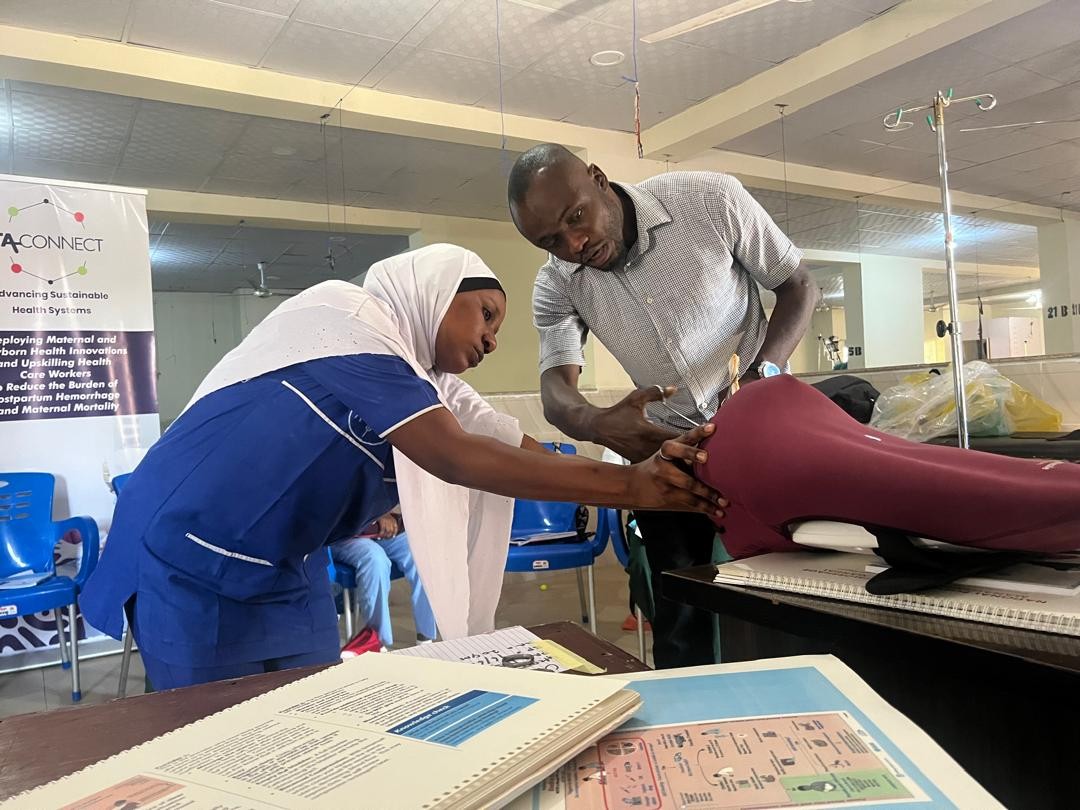
Seeing the woman stabilize and eventually walk out of the hospital to return home was the most rewarding moment for Hafsat. “I was happy we managed her and discharged her,” she recalled. The experience also reinforced the team’s commitment to encouraging women, particularly multiparous women who often deliver at home, to seek skilled care early and report to health facilities immediately when complications arise.
Reflecting on the experience, Hafsat’s appreciation was deep and sincere. “Thank you very much,” she said softly. “Words cannot express how we feel.”
Through partnerships like this, TAConnect continues to strengthen the Yobe State health system, ensuring that training translates into confidence, preparedness, and lives saved in real time.