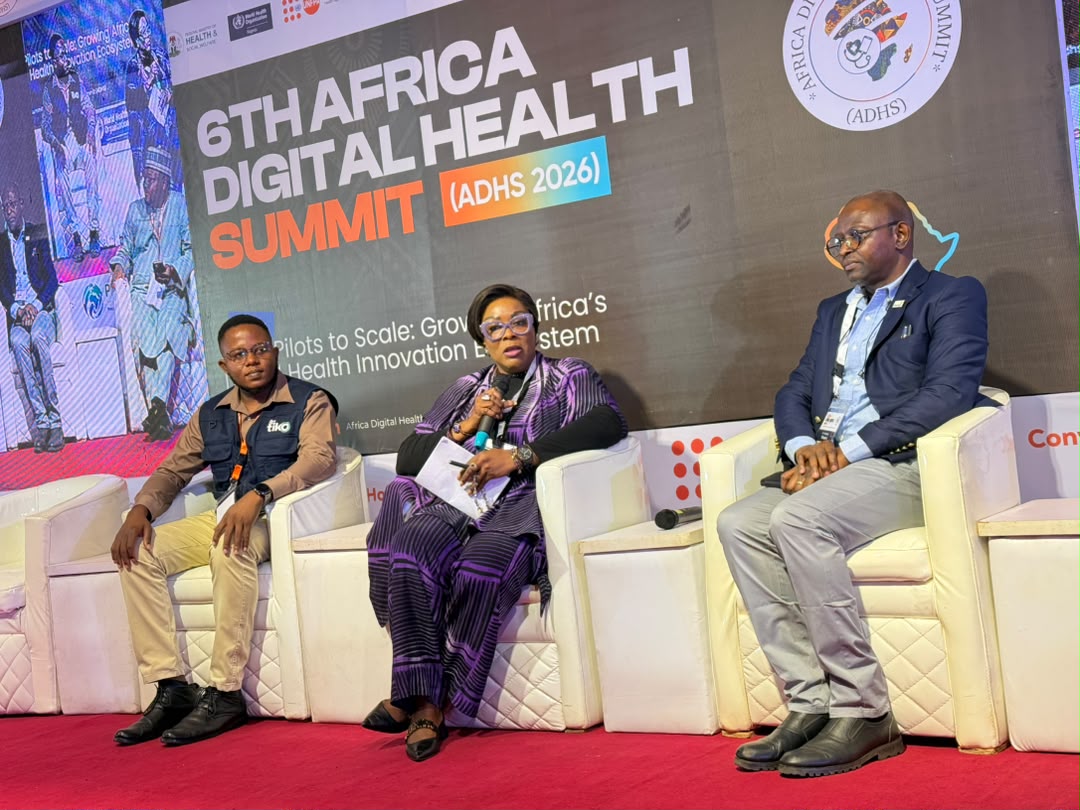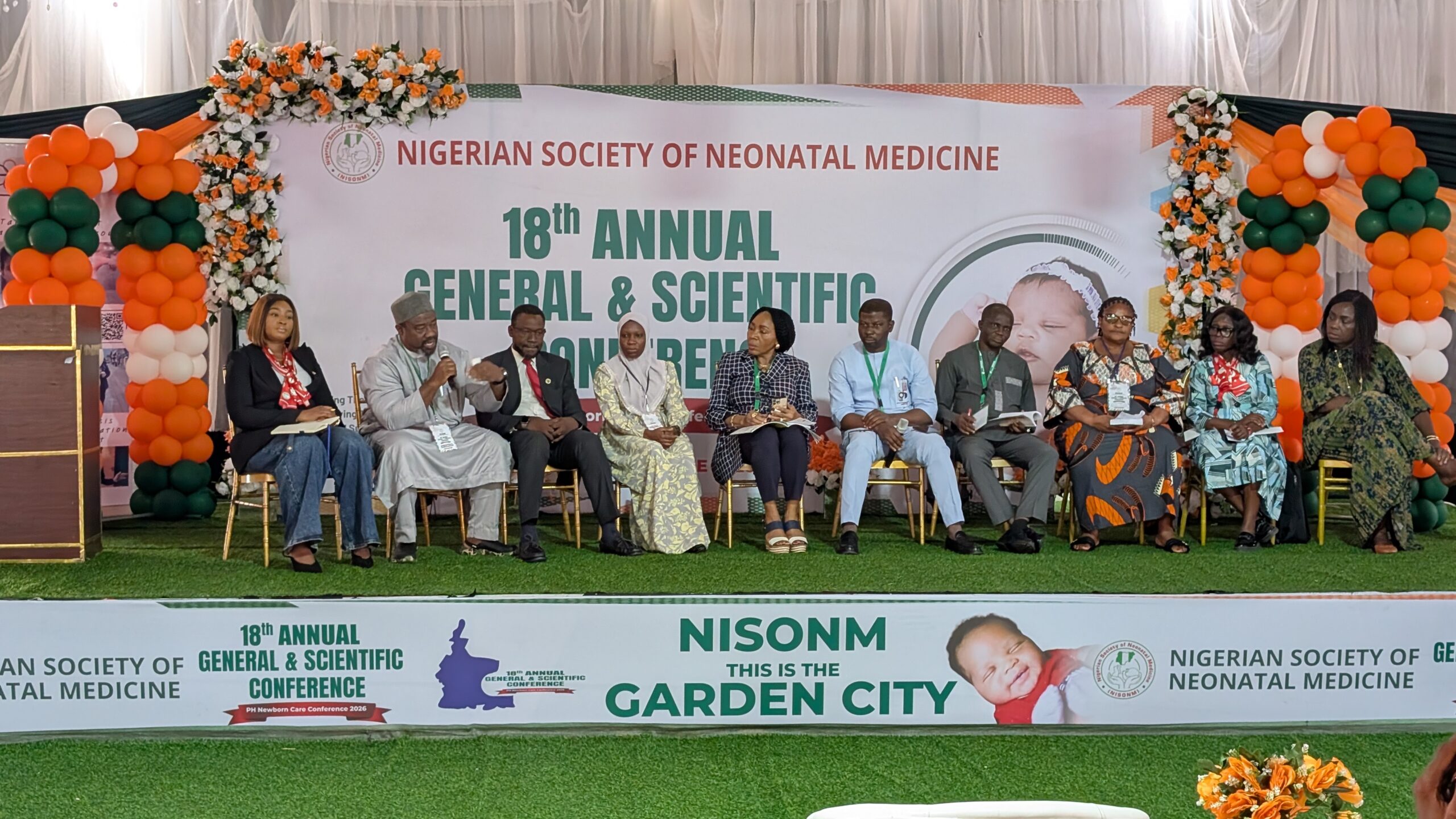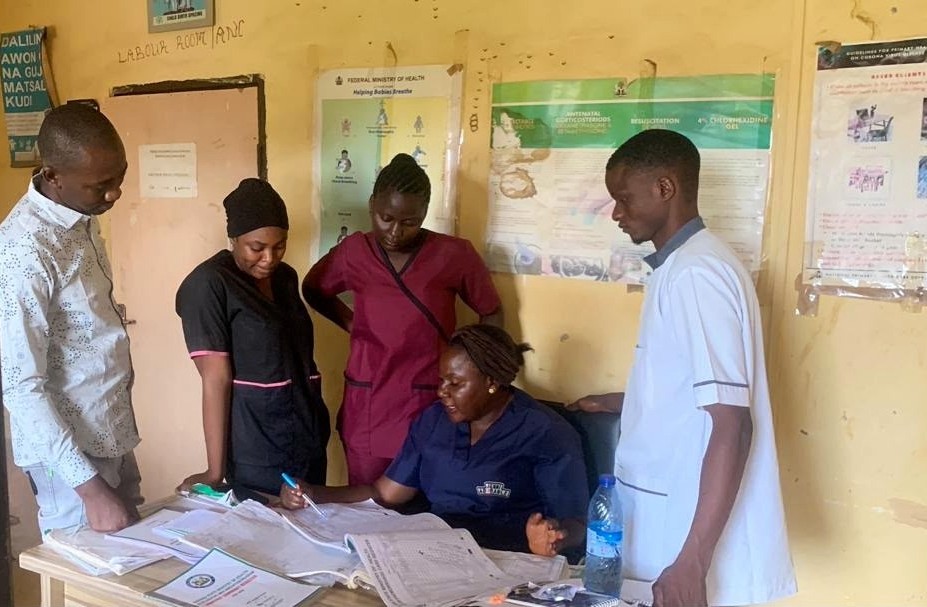
TAConnect participated in the International Maternal Newborn Health Conference (IMNHC 2026), joining global leaders, policymakers, and technical experts to exchange knowledge and accelerate action toward improving maternal and newborn health outcomes. The conference provided a critical platform for aligning global evidence with country-level implementation, particularly for high-burden settings like Nigeria.
Across multiple sessions, discussions reinforced the urgency of scaling proven, high-impact interventions while strengthening the systems that support them. Deliberations also pointed to a broader global reality: despite commitments and investments, progress remains uneven. With millions of maternal and child deaths recorded annually, stakeholders called for stronger alignment between financing, implementation, and accountability, with a sharper focus on quality of care and equity as key drivers of impact.
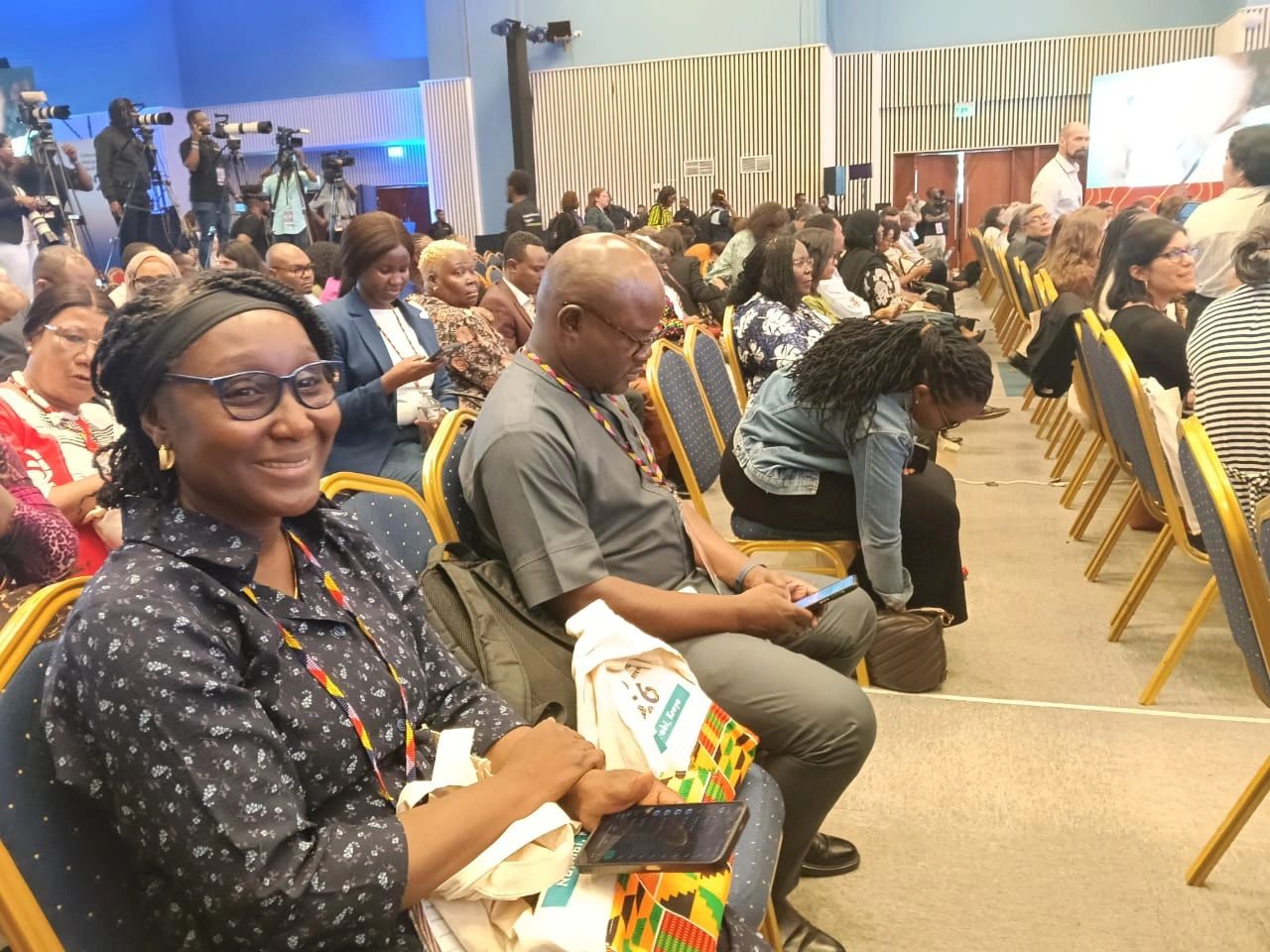
The conference further showcased practical, country-led innovations and evidence-based interventions addressing leading causes of maternal and newborn mortality, including postpartum haemorrhage and maternal sepsis. These sessions reinforced the importance of data-driven programming, continuous learning, and sustained system-wide investments to ensure that life-saving interventions are not only introduced but effectively scaled.
On the sidelines of the conference, TAConnect held a separate strategic meeting with representatives from the Gates Foundation and other partners to discuss interventions in Nigeria. The engagements focused on strengthening collaboration, sharing implementation progress, and exploring opportunities to scale innovative approaches that address persistent gaps in maternal and newborn health.
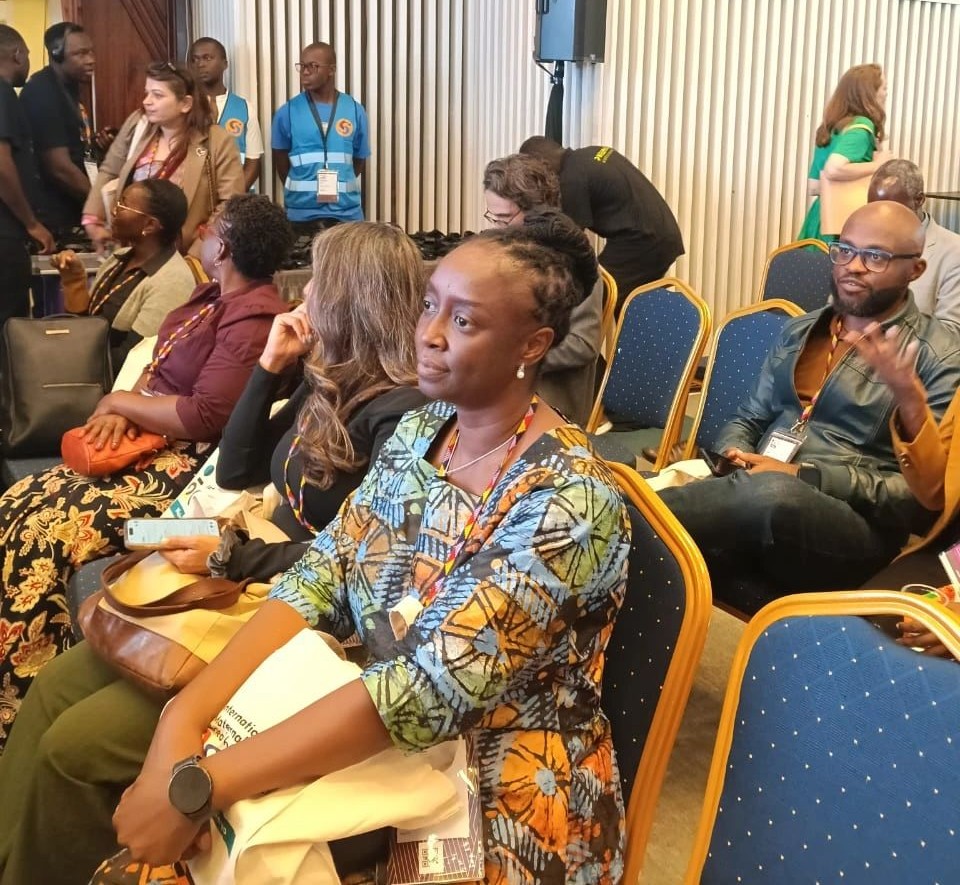
TAConnect’s participation at IMNHC 2026 reflects our continued commitment to leveraging global insights, strengthening partnerships, and translating evidence into context-specific solutions. These engagements position the organization to further drive impactful interventions that improve the quality of care and contribute to reducing maternal and newborn mortality across Nigeria.