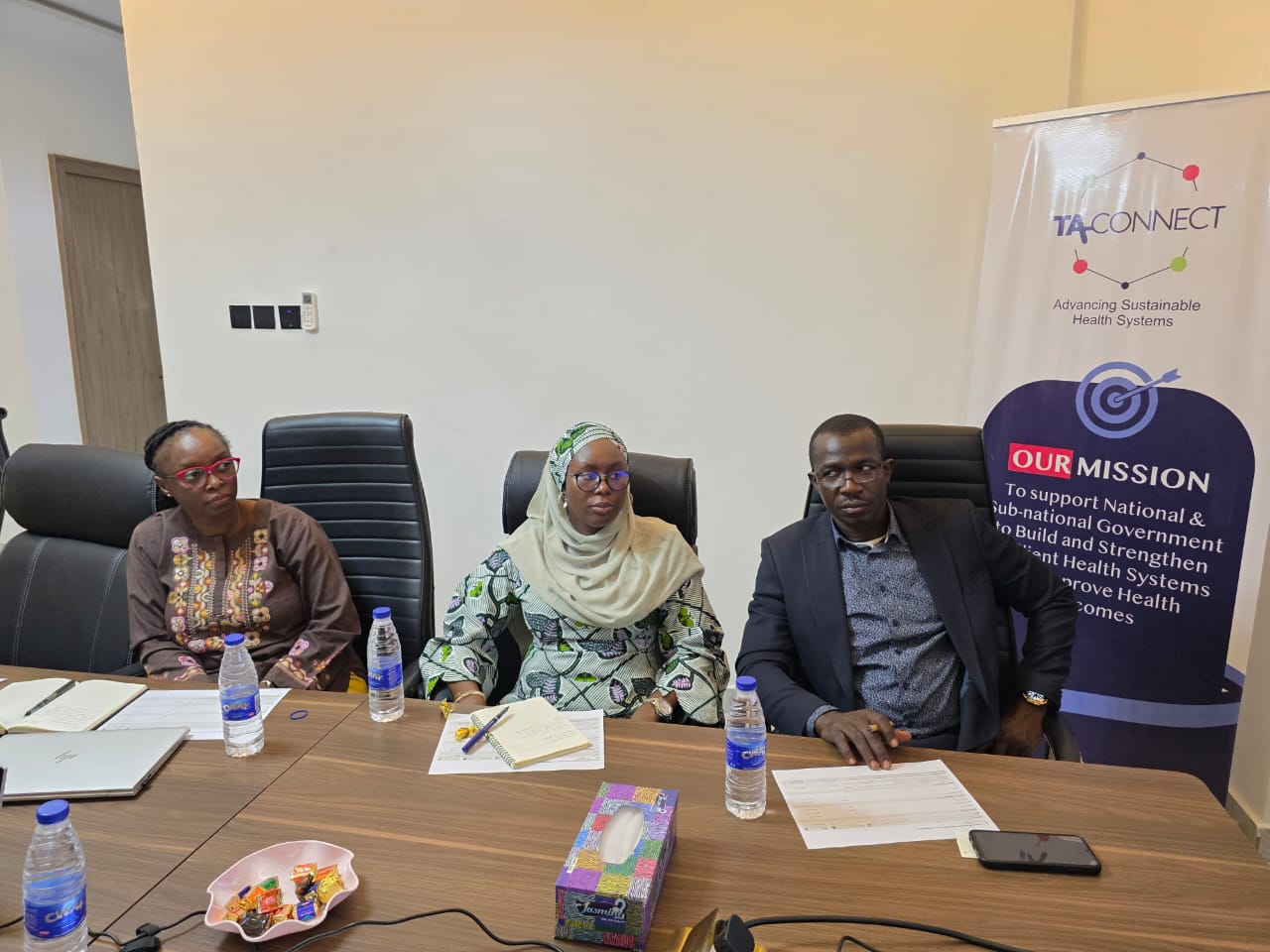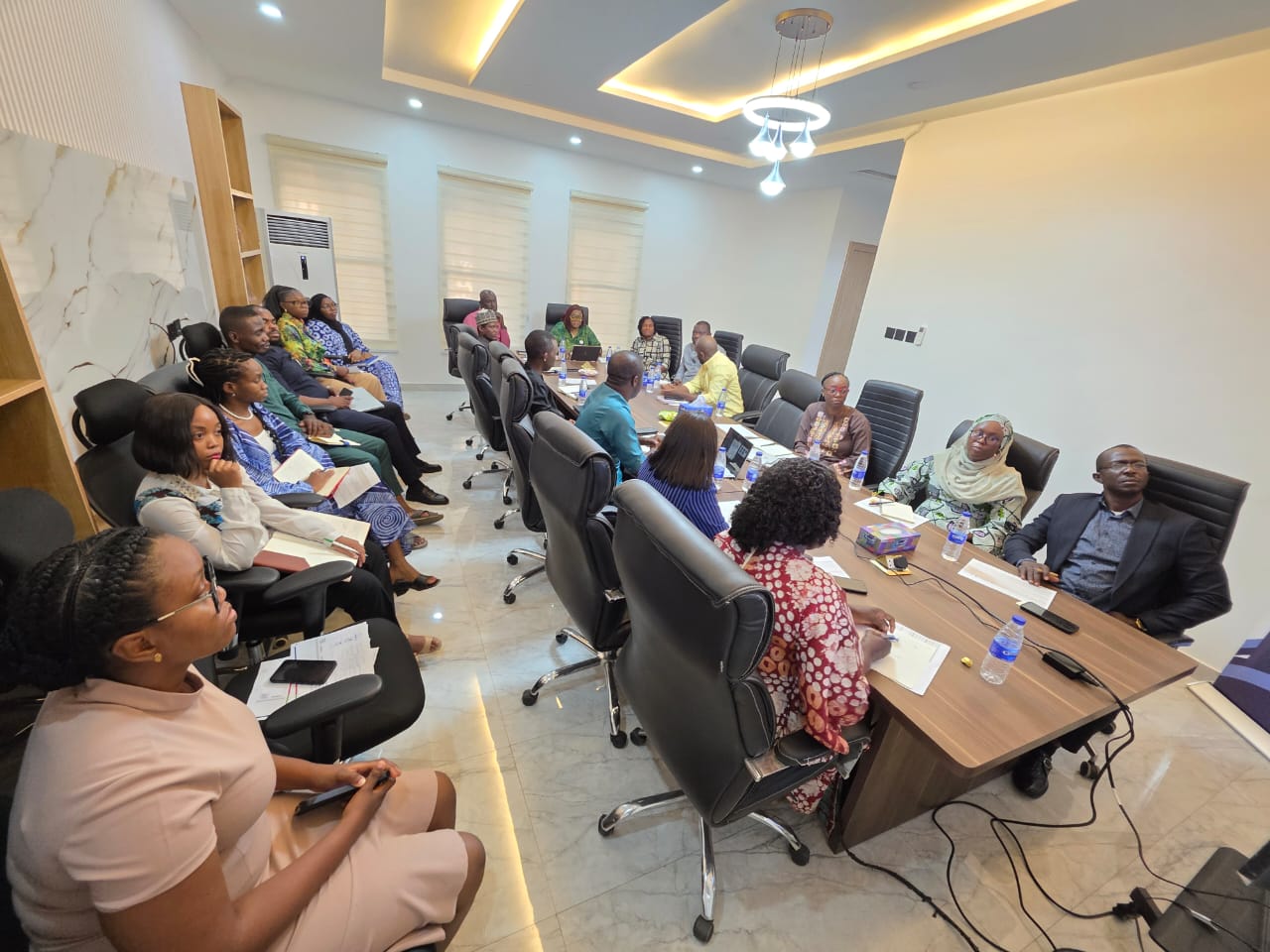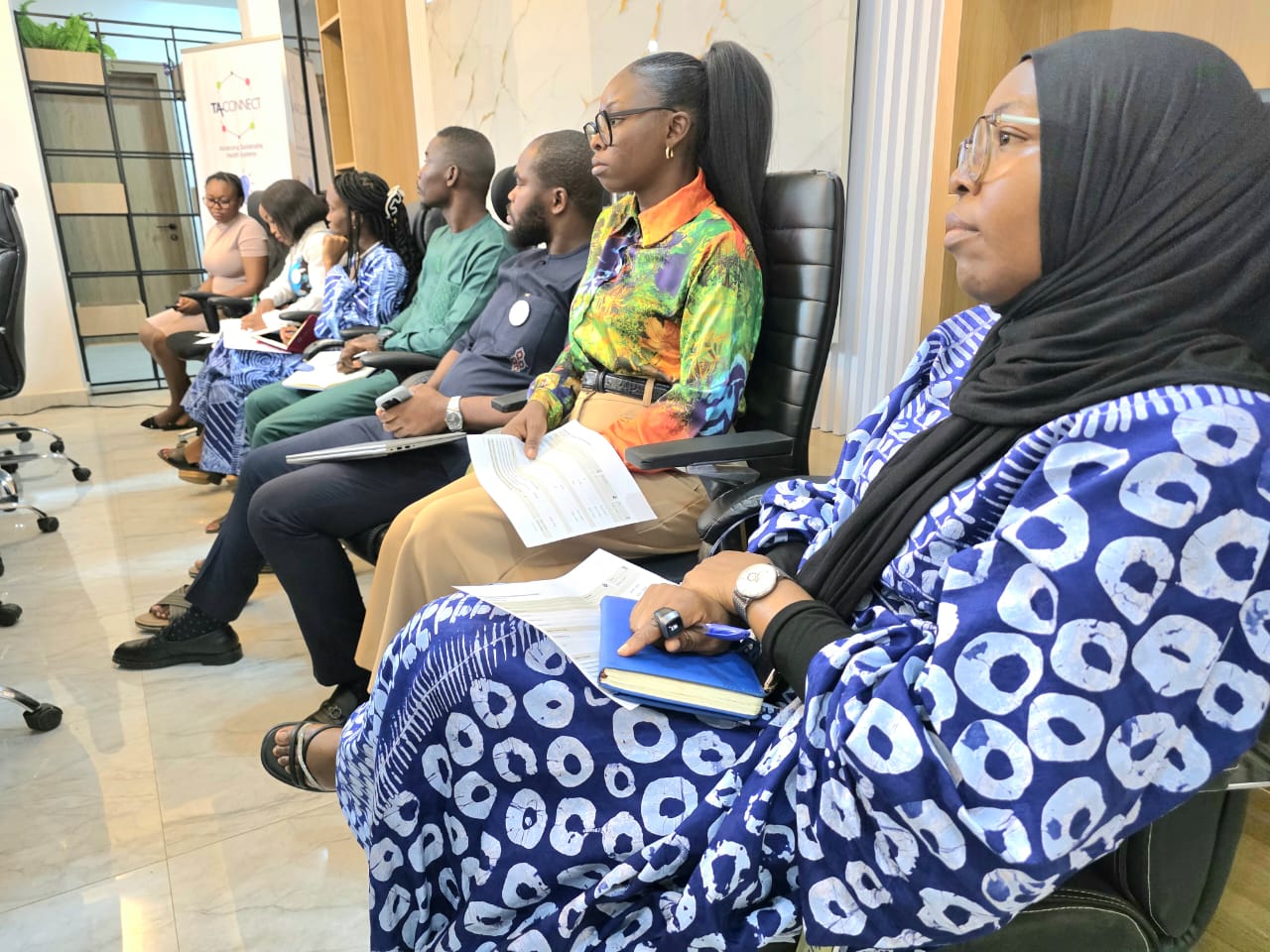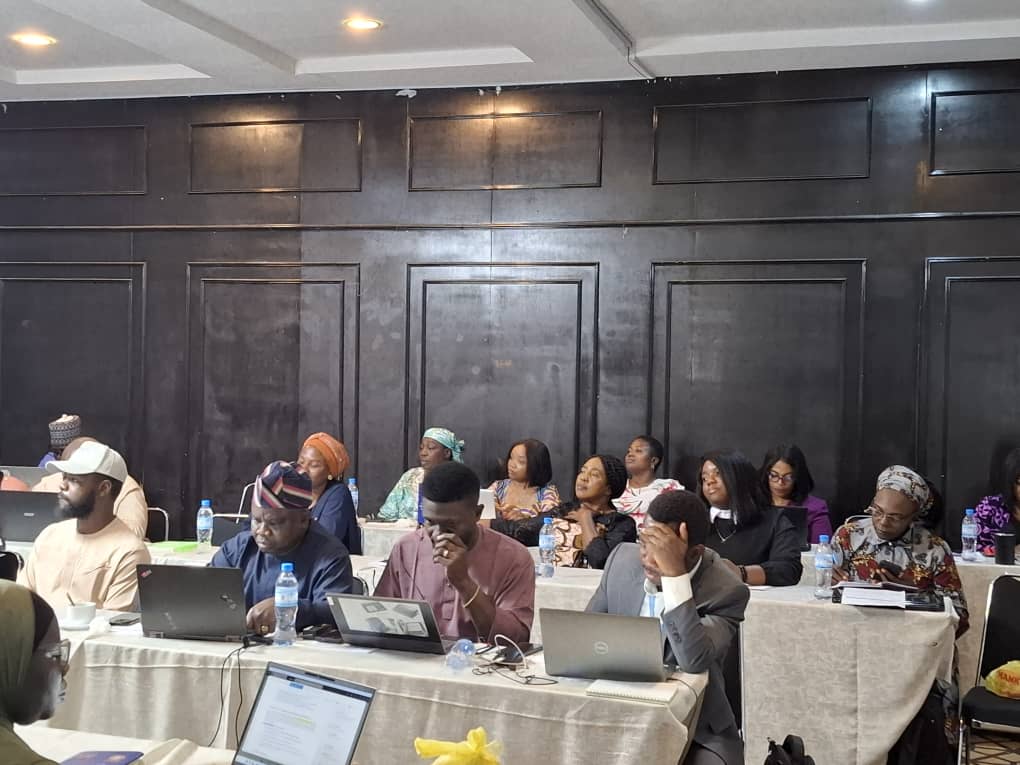

Representatives of the Gates Foundation Nigerian Country Office recently visited TAConnect to advance discussions on a critical transition aimed at accelerating maternal and neonatal mortality decline in Nigeria. The engagement focused on transitioning existing maternal, newborn and child health efforts into a far more robust, integrated intervention capable of delivering a stronger and more efficacious package of life-saving innovations through a unified delivery platform. This transition, tagged TEAM OB/NEO, is anchored on the understanding that Nigeria’s mortality burden cannot be addressed through fragmented, single-condition interventions, but through coordinated system-wide solutions that strengthen frontline readiness, quality of care, and government ownership
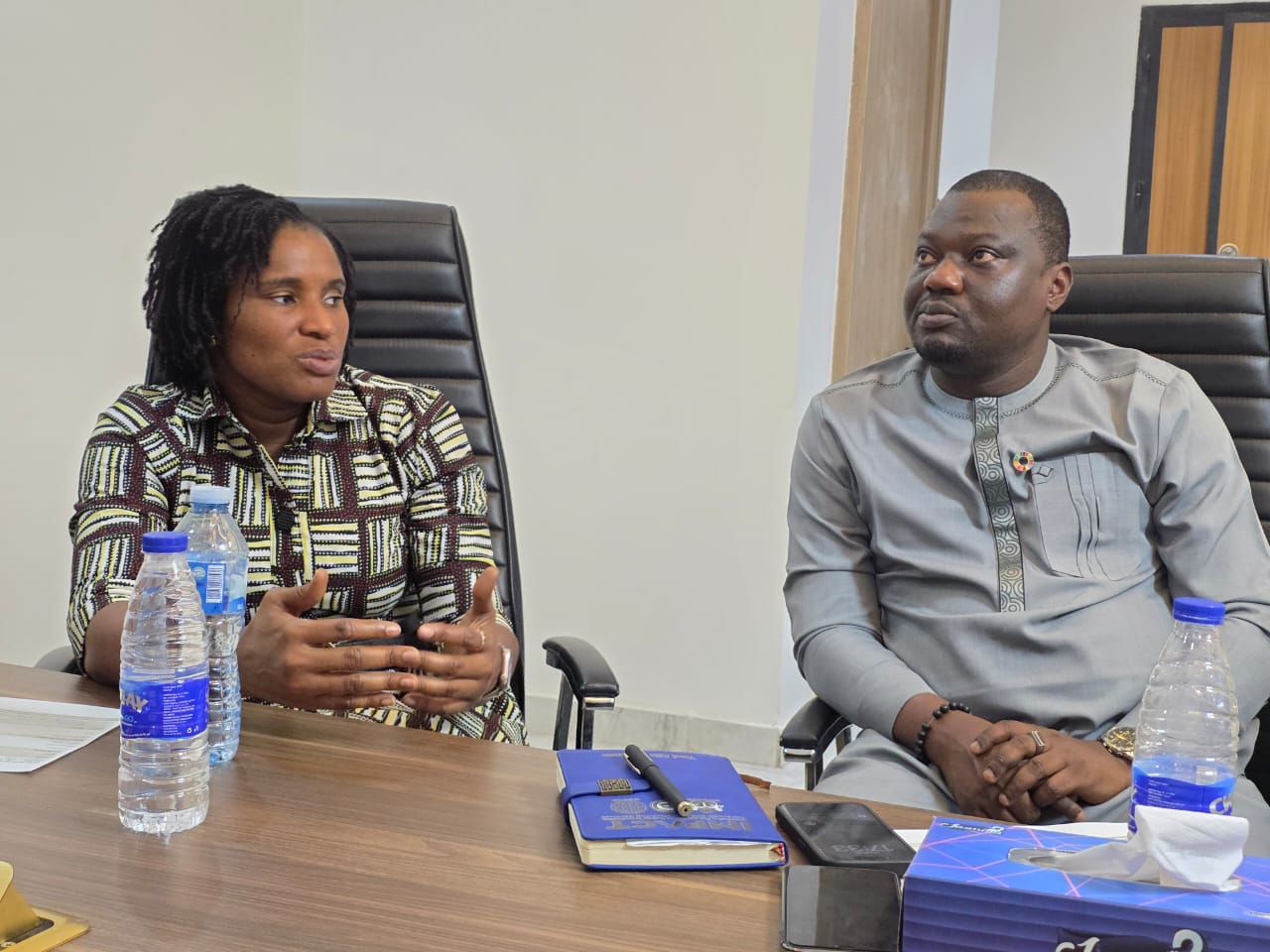
TEAM OB refers to Training for Emergency Action, Management and workflows in Midwifery and Obstetrics, while TEAM NEO focuses on Training for Emergency Action, Management and workflows in Neonatal care. Together, TEAM OB/NEO is designed to serve as a unified delivery platform that closes both service and training gaps by integrating emergency obstetric and newborn care competencies across the full continuum of care, from antenatal through intrapartum and postnatal services, and across primary, secondary, and tertiary levels of the health system.
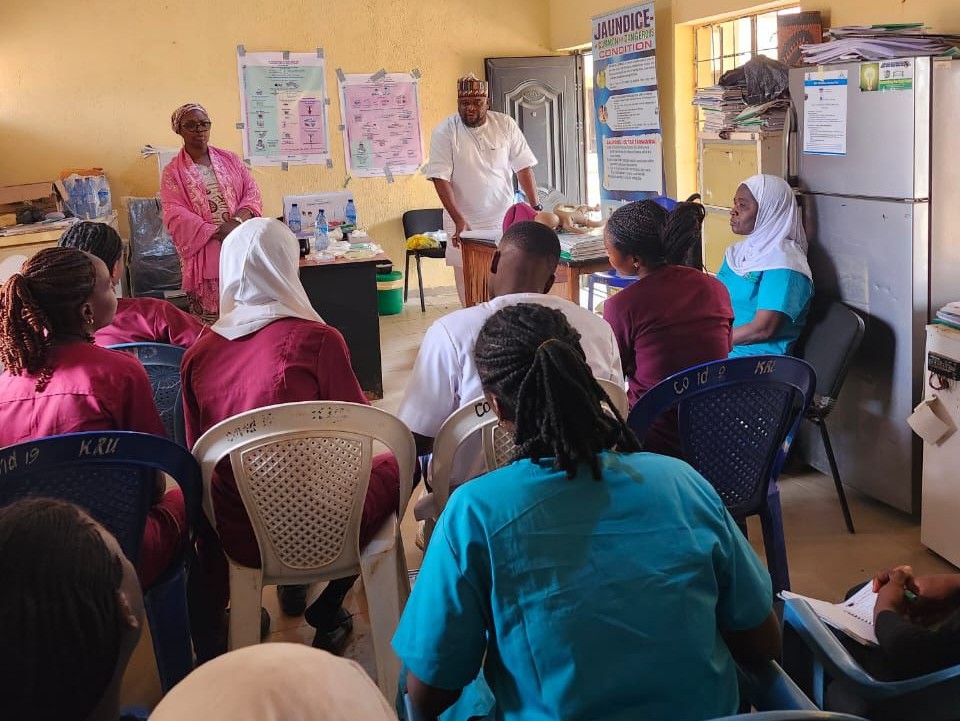
The discussions underscored the urgency of strengthening Nigeria’s frontline health workforce skills and competencies in the face of persistent drivers of maternal and neonatal mortality such as postpartum hemorrhage, eclampsia, sepsis, prematurity, and birth asphyxia. While targeted innovations like E-MOTIVE, Safer Birth Bundle of Care (SBBC), PRactical Obstetric Multi-Professional Training (PROMPT), Helping Babies Breathe, and Essential Newborn Care have demonstrated impact, the visit reaffirmed that their full potential can only be realized when delivered as a bundled, coordinated package embedded within routine service delivery and professional practice. TEAMs OB/NEO responds to this need by institutionalizing continuous, simulation-based, team-oriented learning that prioritizes real-time emergency response, communication, and workflow optimization at facility level. The unified platform also places strong emphasis on data, quality improvement, and accountability, enabling consistent tracking of maternal and newborn outcomes alongside its operational effectiveness
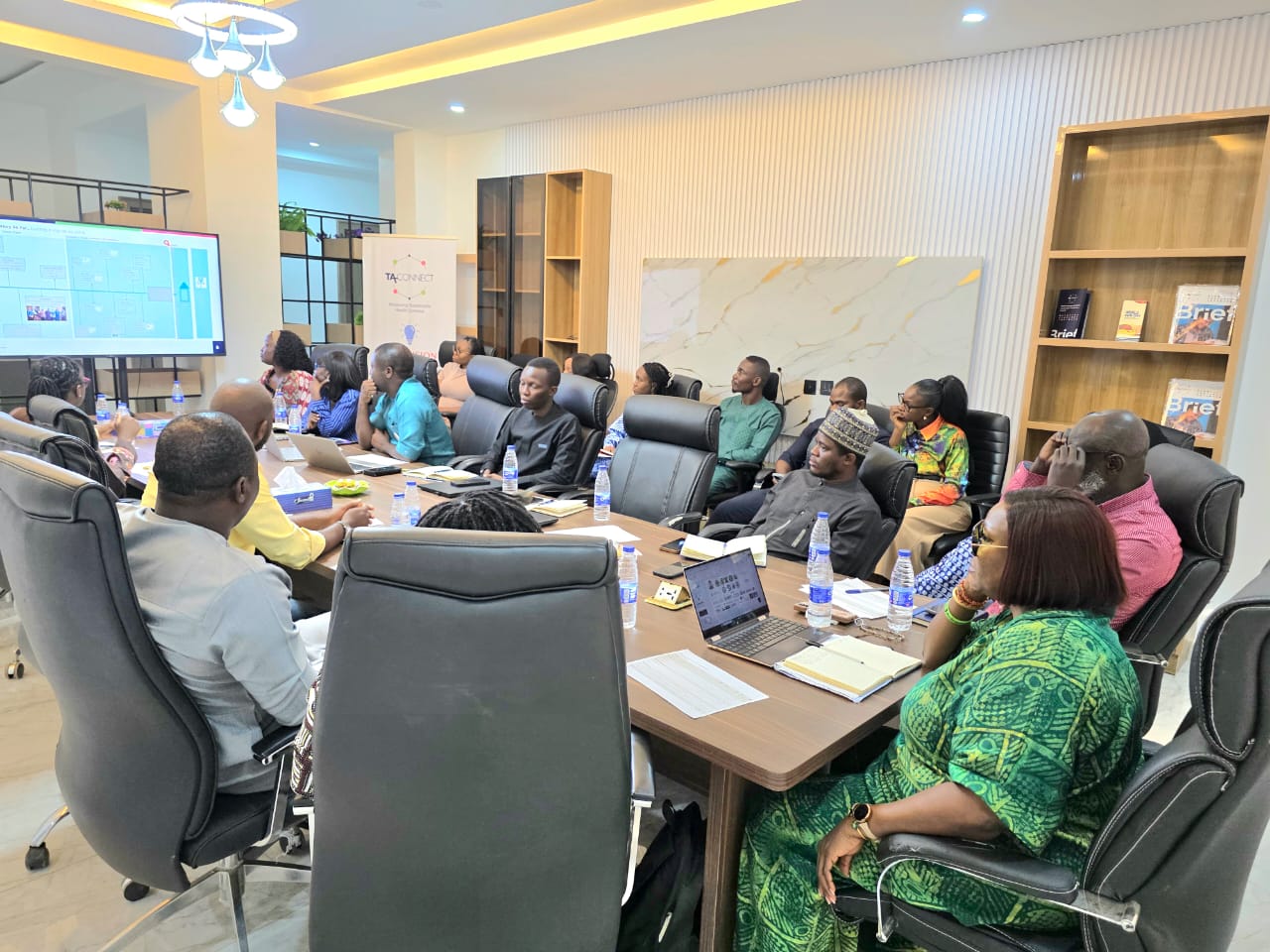
Central to the transition is a deliberate shift away from siloed programming toward a government-led, system-embedded approach that harmonizes training curricula, faculty, commodities, digital reinforcement tools, and quality improvement processes into a single operational platform. By integrating core maternal and newborn care competencies into professional licensing and Continuing Professional Development systems, TEAMs OB/NEO aims to move capacity building beyond one-off trainings to sustained professional standards that are measurable, accredited, and linked to performance and service quality ultimately contributing to faster and more sustainable reductions in preventable maternal and neonatal deaths.
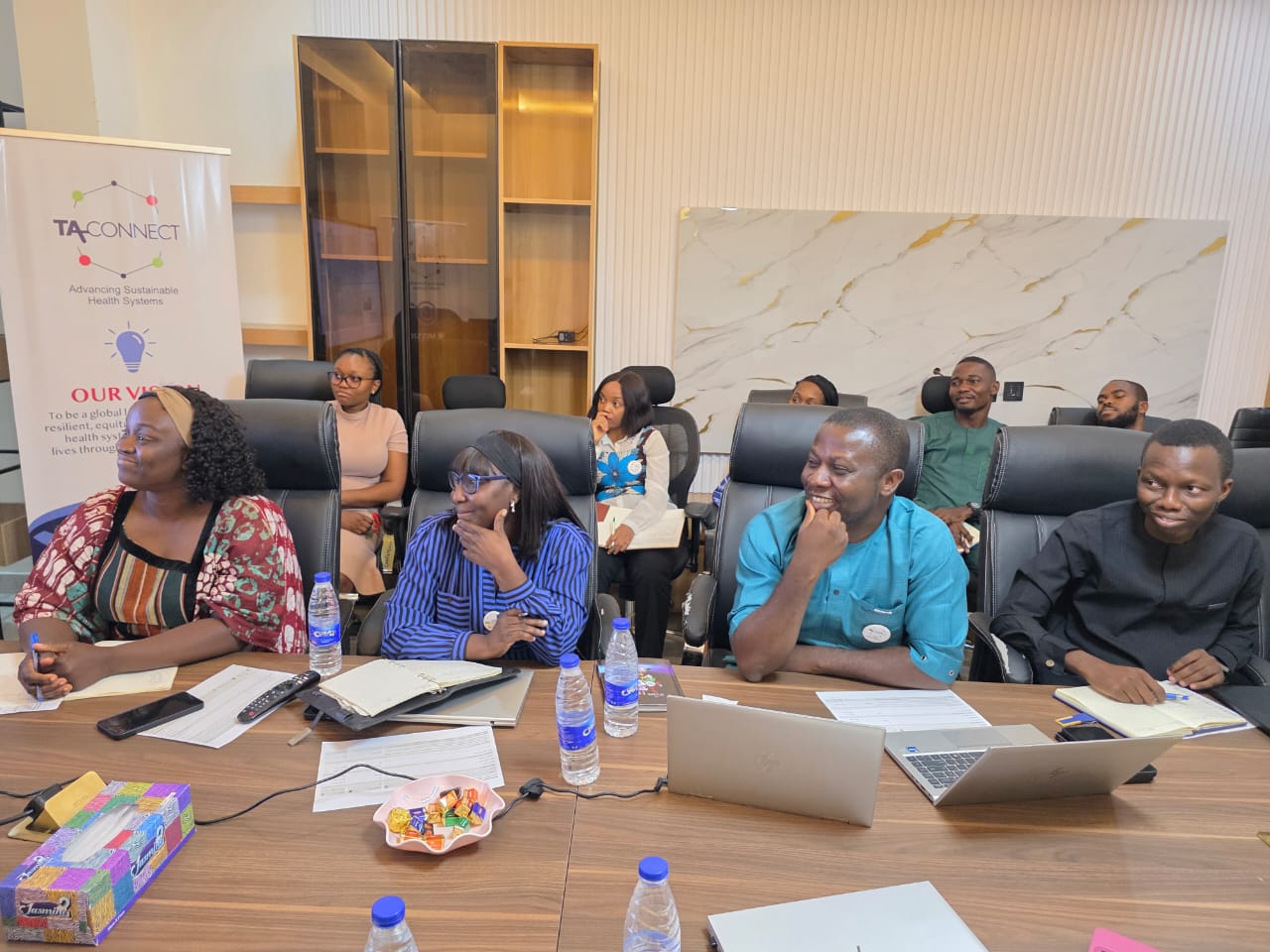
The visit reaffirmed a shared commitment to innovations that strengthens systems, supports government leadership, and delivers impact at scale. Representatives from the Foundation, including Jennifer Boateng, Senior Program Officer, MNCNH, and Yemi Suleiman, Program Officer, MNCNH, engaged with the TAConnect’s leadership on the TEAM OB/NEO transition. For TAConnect, this transition represents a defining step in demonstrating how coordinated technical assistance, delivered through an integrated platform, can transform frontline care and help Nigeria move more decisively toward its maternal and newborn health goals.
See captured moments that Shaped the Conversation