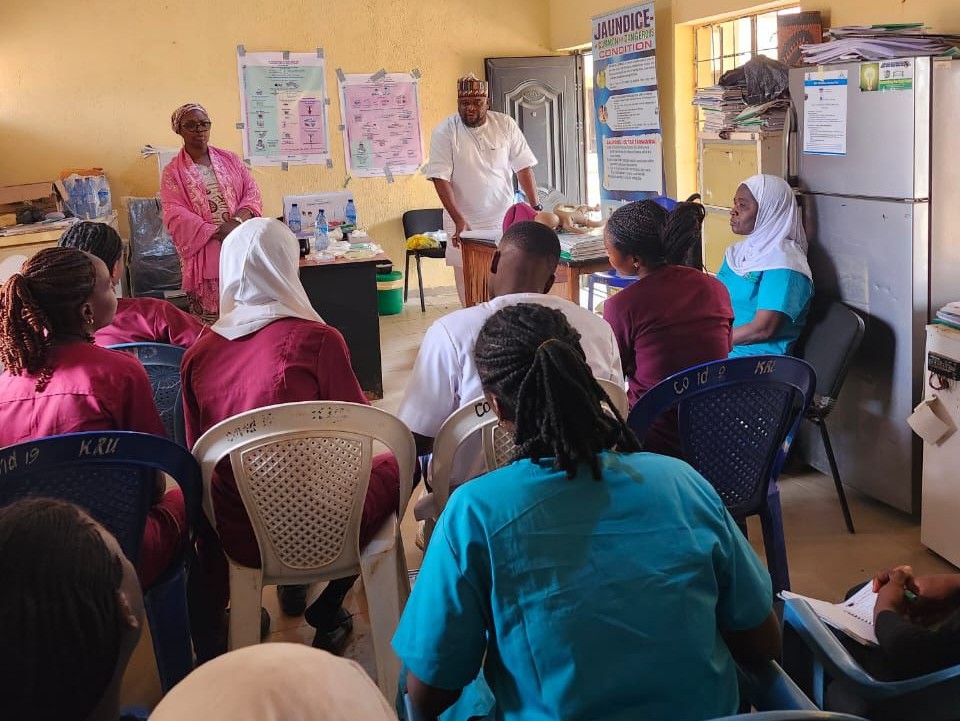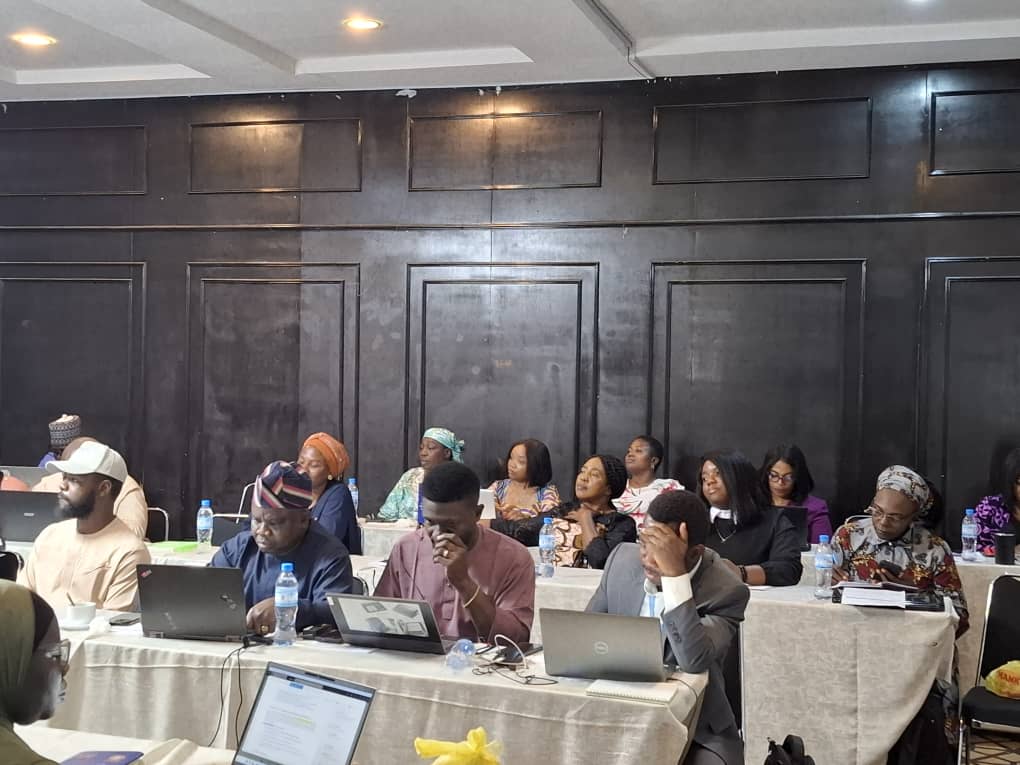
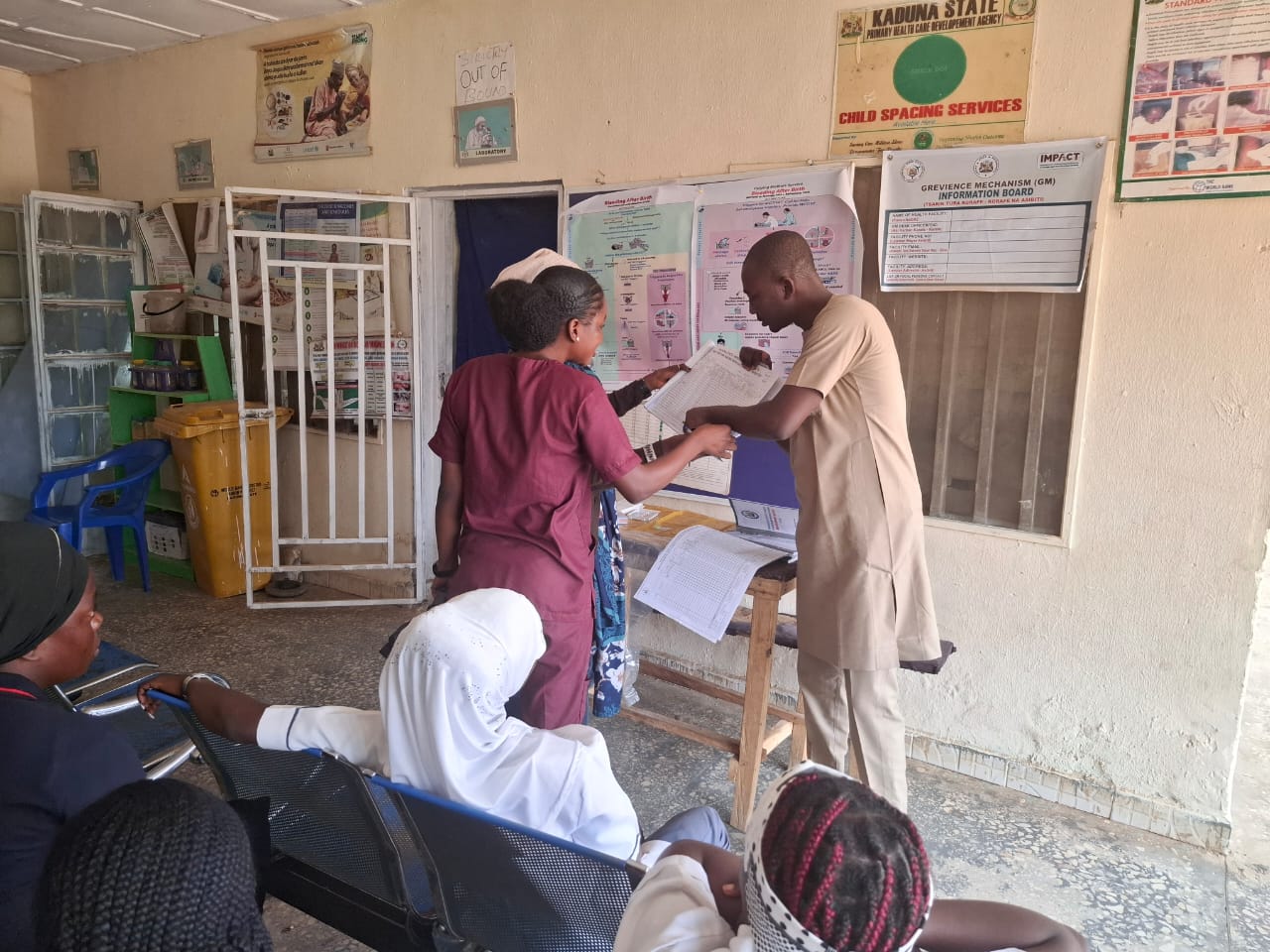
Between 13 and 24 January 2026, TAConnect conducted post-training supportive supervision visits to 13 supported health facilities across Kaura, Chikun and Igabi Local Government Areas. These visits are a core component of TAConnect’s maternal and newborn health (MNH) technical assistance following the rollout of the Postpartum Hemorrhage (PPH)/EMOTIVE bundle training for frontline health workers.
According to the World Health Organization (WHO), Trends in Maternal Mortality: 2000–2017), postpartum haemorrhage is responsible for nearly one in four maternal deaths in Nigeria, most of which occur around childbirth and could be prevented with timely, quality care. While evidence-based interventions such as the PPH/EMOTIVE bundle have been shown to reduce severe bleeding and related complications, their effectiveness depends on consistent, correct application at the point of care, supported by strong data systems and reliable access to life-saving commodities. In this context, supportive supervision is not ancillary but central to implementation success, serving as the bridge between training and sustained improvements in clinical practice.
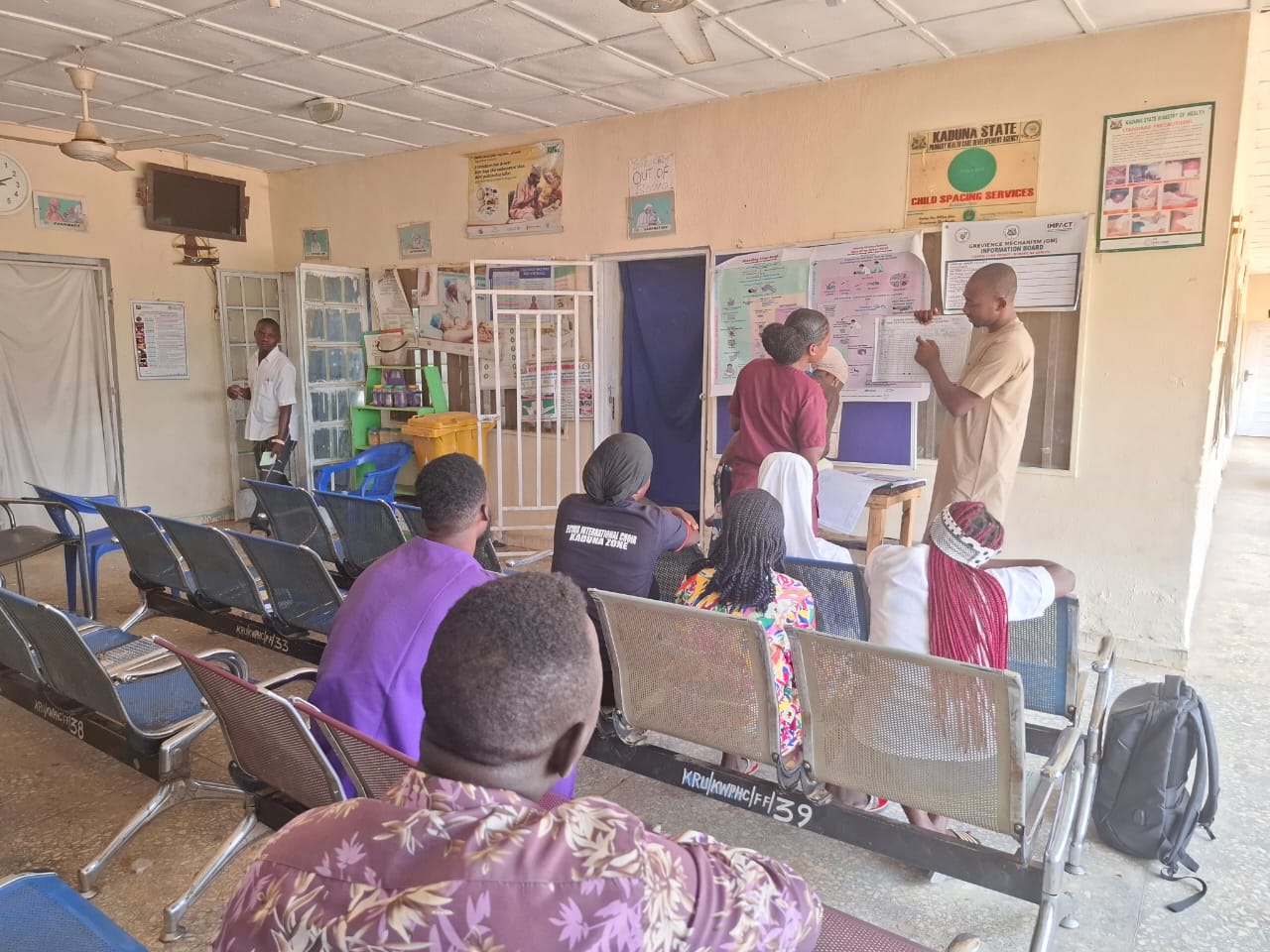
The supervision assessed the extent to which Skilled Birth Attendants were applying PPH prevention and management protocols during labour and delivery, including early detection of excessive bleeding, appropriate use of recommended interventions, and adherence to clinical decision pathways. In parallel, the exercise examined the quality and completeness of labour, delivery, and PPH care documentation, recognizing that accurate routine data underpins quality improvement, accountability, and evidence-based decision-making at facility and state levels.
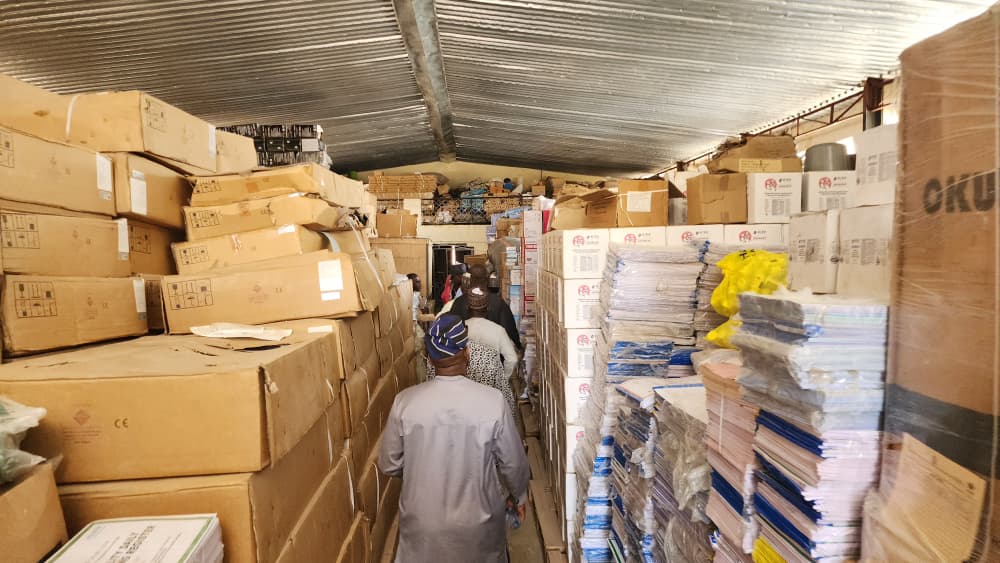
The visits also focused on the availability, utilization, and reconciliation of MAMII-supported maternal and newborn health commodities, ensuring alignment between reported consumption, physical stock, stock cards, and theoretical balances. This emphasis reflects TAConnect’s systems-strengthening approach, which addresses persistent bottlenecks in maternal health programming where weak commodity management can undermine otherwise effective clinical interventions. Real-time mentoring was provided to address identified gaps, strengthen provider confidence, and reinforce best practices in both clinical care and health information management.
Overall, these supportive supervision visits exemplify TAConnect’s results-oriented technical assistance model, which prioritizes implementation fidelity, learning, and continuous quality improvement. By strengthening frontline capacity, improving data reliability, and reinforcing accountability in commodity management, TAConnect continues to support Kaduna State in closing the gap between policy, training, and practice, an essential step toward reducing preventable maternal and neonatal morbidity and mortality and strengthening the resilience of the primary healthcare system.